Space science
Find a new planetary system containing 3
Scientists have discovered a new planetary system containing 3
Browse ScienceInfo articles and explainers related to Gali.
129 published items.
Scientists have discovered a new planetary system containing 3
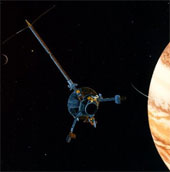
On October 18, 1989, the US Space and Aeronautics Agency (NASA) successfully launched the ship named the astronomer famous Italian of the seventeenth century - Galileo.
Freezing fuel on Russia's Soyuz missile caused two satellites of Europe's Galileo global positioning system to fly wrongly in August.
The European Space Agency (ESA) said it is still investigating the cause of the two satellites of the Galileo navigation system to go wrong after its launch.
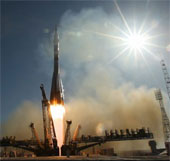
On August 22, the European Union (EU) successfully launched a Soyuz missile from the French Guiana Space Center, carrying two satellites of the Galileo navigation system.
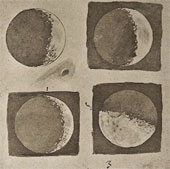
At each time corresponding to technological breakthroughs, scientists used the most advanced device to observe, redraw or capture the image of the Earth's Moon.
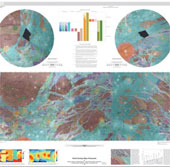
Researchers hope the new map can support future Ganymede exploration missions, according to Space.com.
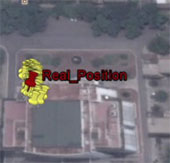
Hanoi University of Technology has just succeeded in locating through the open service of Galileo global positioning satellite system being used by Europe.

Russian scientists said that the meteorite 'choose' Earth is the destination because it had collided with other meteorites in the universe before.
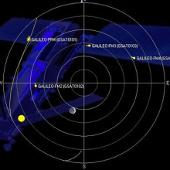
Galileo global positioning satellite system is expected to be completed by 2020, with 27 orbit satellites.
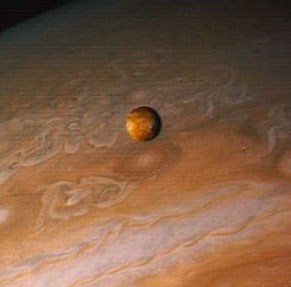
The total number of 'natural satellites' orbiting this giant planet has been raised to 66, astronomers have revealed. Codenamed S / 2011 J1 and S / 2011 J2, these two mo…
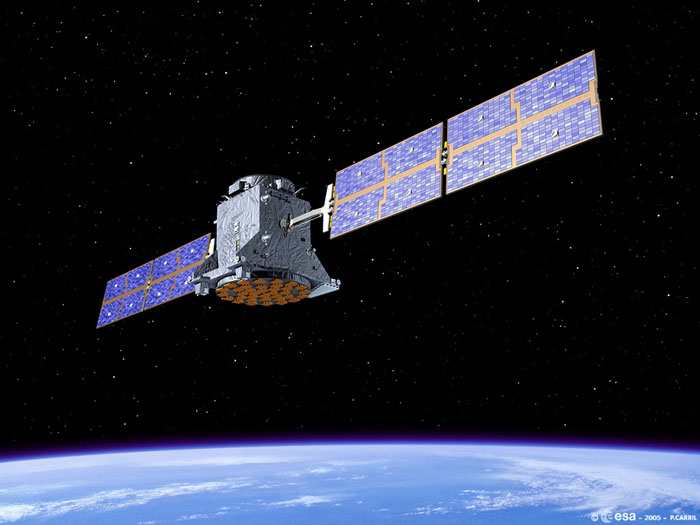
According to a European news source, earlier this month, the European Space Agency (ESA) signed three contracts in London (UK) to buy 8 satellites and order 3 new launch…
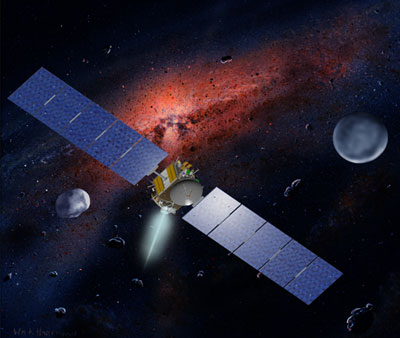
An unmanned scientific probe from the US Space Agency (NASA) recently went into Vesta's meteorite orbit, to discover the secrets of the formation of the Solar System.
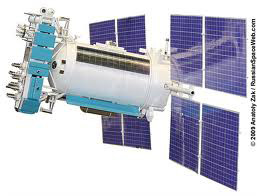
Three Russian Glonass-M positioning satellites, launched into orbit on December 5, fell off the Hawaiian Islands in the Pacific Ocean.
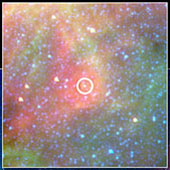
The Spitzer Space Observatory has found a star that is 3.2 million times brighter than our sun, probably the brightest star in the Milky Way. It weighs 150 to 200 times…