Space science
Shocking theory: The mysterious 9th planet in the Solar System could be a black hole
Some astronomers have just hypothesized that the mysterious 9th planet in the Solar System may not be a planet, but actually a primitive black hole.
Browse ScienceInfo articles and explainers related to Gamma.
107 published items.
Some astronomers have just hypothesized that the mysterious 9th planet in the Solar System may not be a planet, but actually a primitive black hole.
From our first observation of the collision of neutron stars in 2017, scientists realized that the 2016 gamma ray explosion was a kilonova, the type of explosion that pr…
Gamma rays emanate from cosmic explosions that collide with the Moon, causing Earth's natural satellites to become gamma-contaminated and produce radiation.
Our planet's lifespan is certainly several billion years away, but its existence is also fragile.
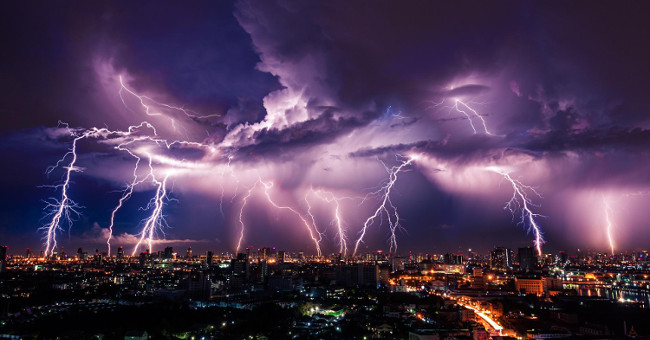
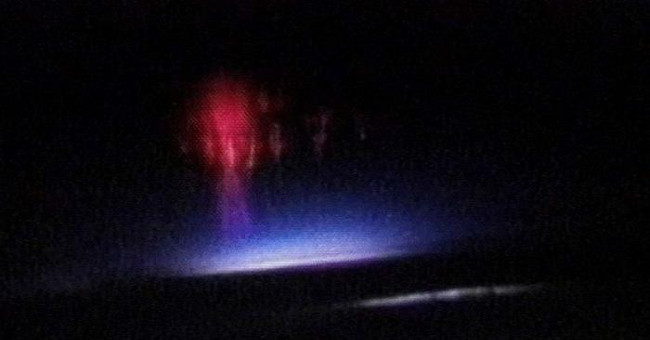
Japanese researchers found evidence that thunderstorms triggered nuclear reactions in the air.

Any action movie has always had some spectacular explosions. However, in fact there are many different types of explosives and some of them are more 'terrible' than what…

We create new ideas when the activity of brain waves Gamma intensifies. So what kind of knowledge can be achieved when people can accelerate brain waves to a higher freq…

Experts can check to determine Co-60 in urine, even at very low concentrations, and determine their concentration in the human body.
For decades, astronomers have been trying to find dark matter - the invisible substance that is thought to occupy a large part of the universe, exactly.

The survey showed that a series of electroencephalic impulses arose in mice right after death, leading scientists to hypothesize that the near-death experience is very l…

Found in permanently frozen land south of Siberia, the mammoth mummy of Khroma is an extremely rare historical specimen.
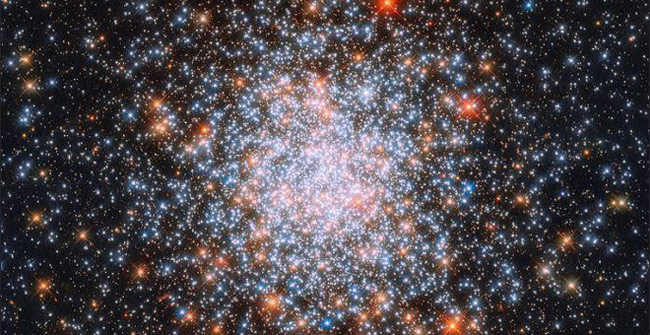
Stars emit 4x10 ^ 84 photons of light since the universe was formed 13.7 billion years ago, according to a new study.

NASA researchers discovered traces of a thousand-star explosion 1.7 billion light-years from Earth.
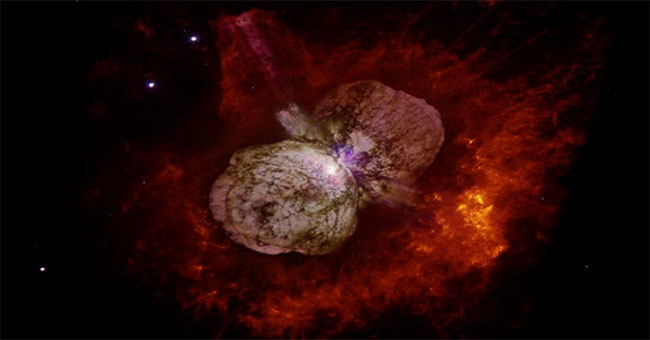
Located 7,500 light-years from Earth, the Eta Carinae star system is formed by two stars that are 90 and 30 times the mass of the Sun, extending 225 million km (140 mill…
While gamma-ray bursts occur quite frequently and can be observed every day, this observation is almost impossible.