
Discover science
10 most luxurious but useless items in the world
Golden toilet paper, diamond contact lenses or gem necklace for dogs ... are suitable items to display more than used.
Browse ScienceInfo articles and explainers related to Gem.
48 published items.
Golden toilet paper, diamond contact lenses or gem necklace for dogs ... are suitable items to display more than used.
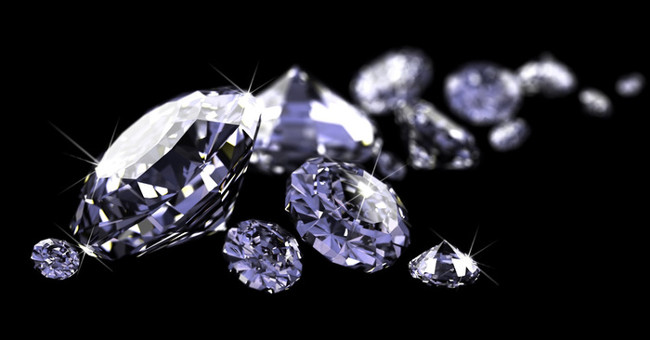
One of the events that shocked the world in 2015 was the miners of the Lucara Diamond company in Botswana found the world's largest diamond (1,111-cara) in the last 100…

While waiting for the superhero Avengers: Age of Ultron, movie fans can
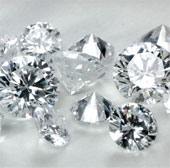
A strange gem has an unmatched attribute of diamonds and newly discovered emeralds.
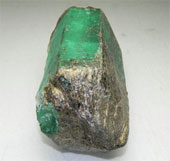
A Russian miner dug up a 5,000-carat emerald block at a mine in the Urals mountains. According to RIA Novosti, this gemstone weighs one kilogram and is found at the Maly…
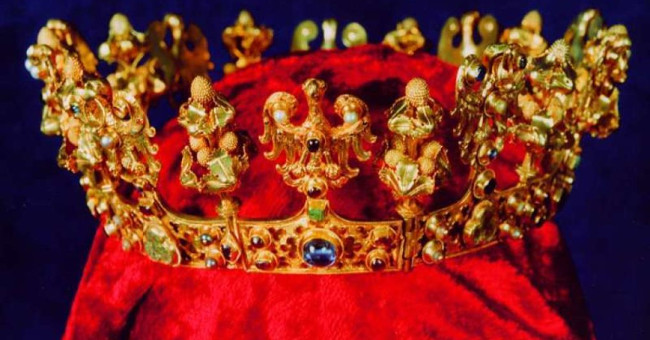
In childhood, almost all of us used to seek treasure. The thrilling details of the process of finding treasures often appear in the dreams of children.
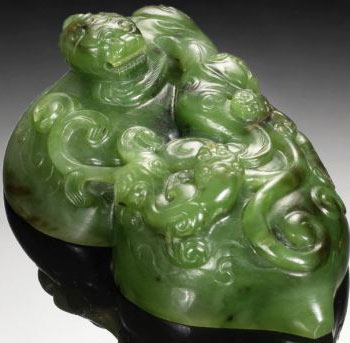
According to DailyMail, it is interesting that its owner does not know the priceless value of the item before selling it. It was not until the appraisers of the auction…
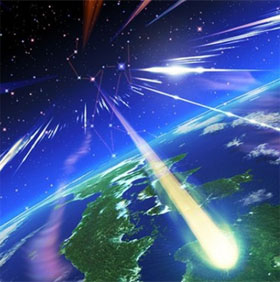
On the night of December 14, the morning of December 14, astronomers in Vietnam will have the opportunity to watch the meteor shower of the Gem - considered the king of…
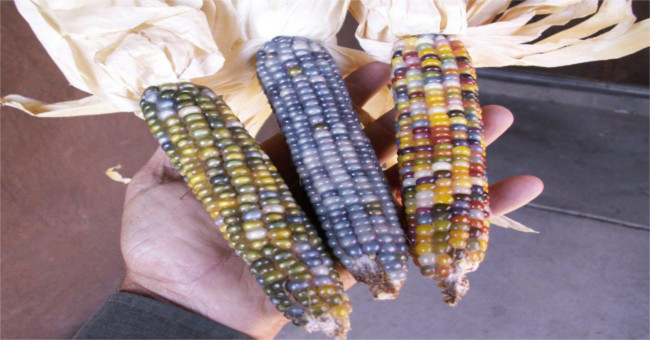
Glass Gem is the name of a unique type of corn with rainbow colors. It became an Internet phenomenon in 2012 when a sparkling color of corn pictures was posted on Facebo…
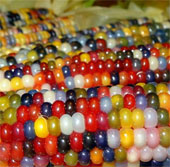
An American farmer has spent a lot of time and effort to successfully breed a unique, unique, multicolored sweet corn variety.

Collective suicide carp, the deaths of Chinese emperors, strange black objects, giant gemstones ... are the most read by readers in the past week.
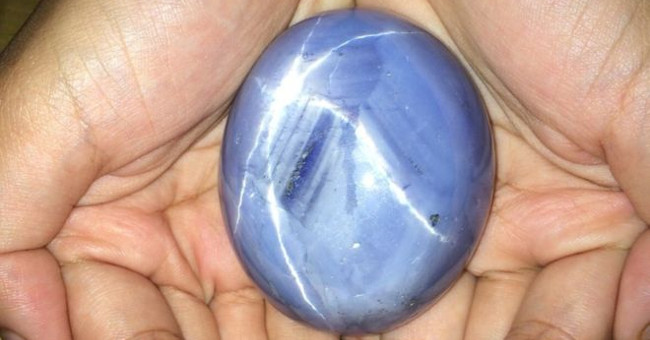
Heavy gemstones record 1,404.49 carats found in a mine site in Sri Lanka.
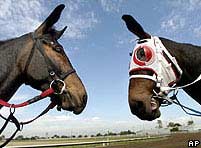
The world's first horse-cloned creature will challenge its natural brethren in the next month's race in the Nevada desert. Idaho Gem is a mule created three years ago by…

US scientists at Stanford University and colleagues around the world have discovered 13 new gene variants that may increase the risk of heart disease symptoms.
Researchers have created an ambitious computer program to simulate the entire ecosystem with all life forms on Earth.