Space science
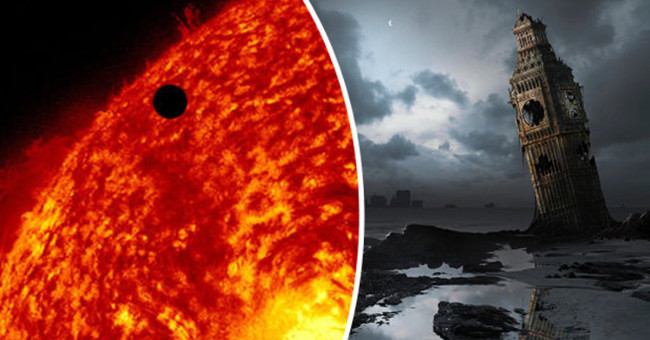
Detecting holes in the Sun can destroy the Earth
A hole about 50 times the size of Earth, can cause major global events on the green planet.
Browse ScienceInfo articles and explainers related to Global.
1,174 published items.
A hole about 50 times the size of Earth, can cause major global events on the green planet.
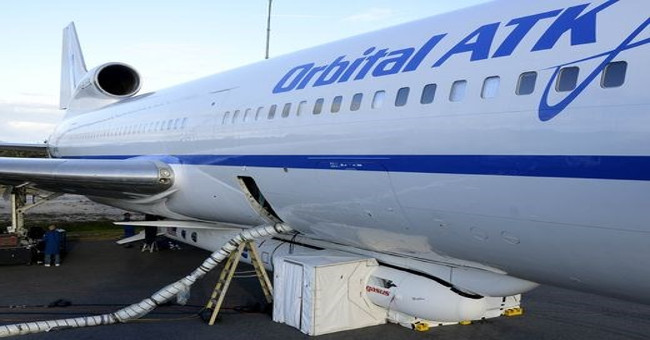
According to NASA's announcement, Stargazer L-1011 aircraft carrying the satellites took off from Cape Canaveral Air Force Base, state of Florida, USA.
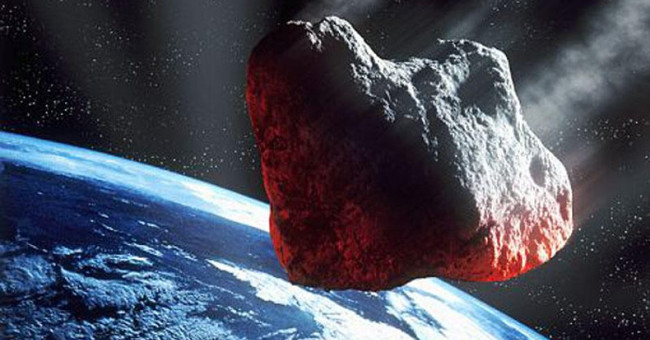
Meteors with an estimated length of 700-1600m can cause a global disaster if they go astray and crash into Earth.

Arianespace Group on May 24 announced that the Russian Soyuz-ST rocket has been successfully launched into orbit carrying two new satellites for Europe's Galileo global…
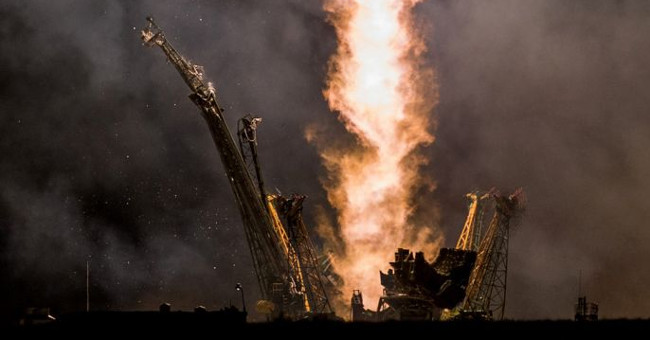
The Roscosmos Russian Space Agency is developing a methane rocket engine to compete in the global race.
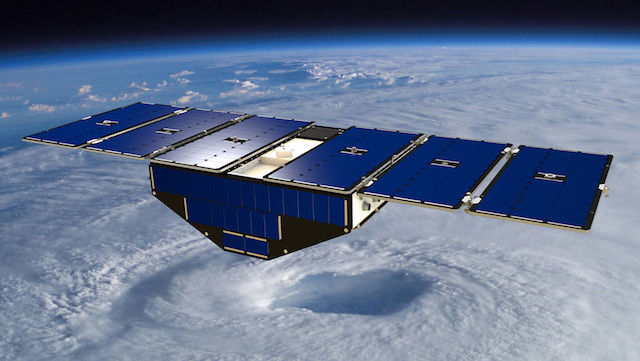
NASA is developing a satellite system called CYGNSS (Global Vortex Positioning Satellite System) to predict the path of major storms across the planet.
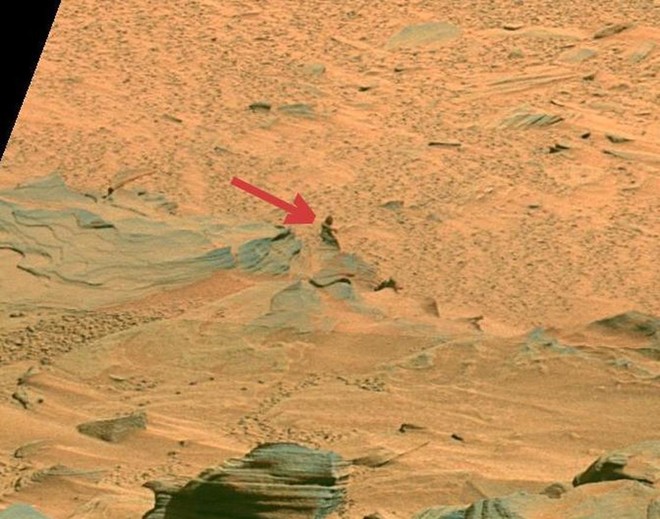
Mars probes once captured images that shocked viewers because they carried the form of a woman, a piece of a femur or a human face.
Freezing fuel on Russia's Soyuz missile caused two satellites of Europe's Galileo global positioning system to fly wrongly in August.
The Moon landing of Apollo 11 was suspected of being fake due to an unusual feature in the photograph taken by the crew. Up to now these abnormalities have been

Malaysia's latest satellite, Measat-3b, was successfully launched from the European Space Airport in French Guiana, at 6:05 pm on September 12 (Malaysia time).
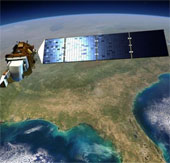
Google's plan to provide satellite-based internet access has become more specific, after the green robot brand said it is building 180 satellites to cover global interne…
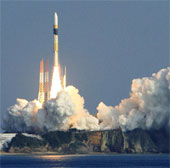
Japan is scheduled to launch a satellite observing the Earth on May 24, to use it to investigate the damage caused by natural disasters and changes affecting tropical ra…
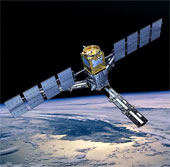
China is accelerating the pace of building a giant satellite network that can help the country monitor the world.
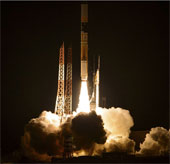
Japan on February 28 successfully launched high-tech satellite-carrying missiles to monitor global rainfall and support weather forecasts.

A new type of satellite is designed to gather real-time information to measure rainfall, snowfall and storm forecasting on a global scale (GPM).