Science invention
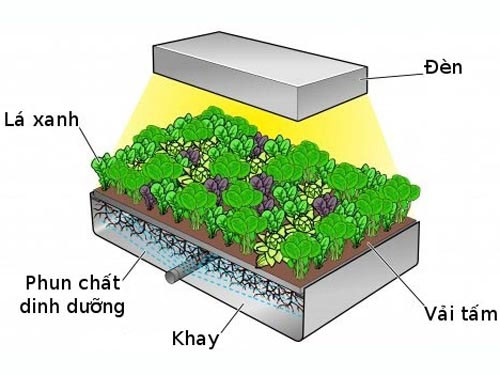
Growing vegetables without soil
Compared to normal planting and care on soil, aeroponics methods yield at least twice as much; growing 2.5 times faster and saving more than 70% of irrigation water.
Browse ScienceInfo articles and explainers related to Greenhouse.
421 published items.
Compared to normal planting and care on soil, aeroponics methods yield at least twice as much; growing 2.5 times faster and saving more than 70% of irrigation water.
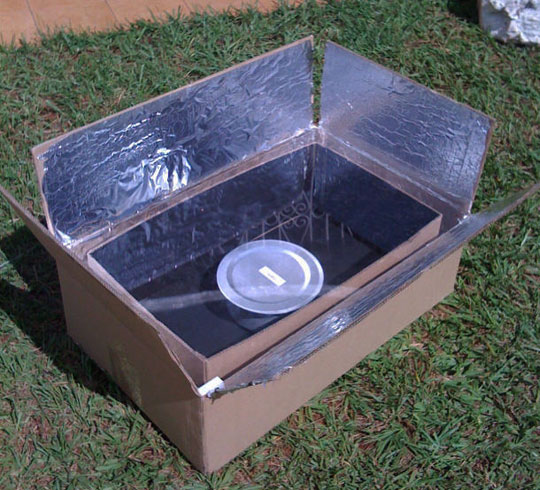
Whether the 'stove' is a cardboard box painted in black, covered with tin foil (actually a thin silver coating) ...

Removing CO2 from the atmosphere and turning this greenhouse gas into today's fuel is no longer impossible.
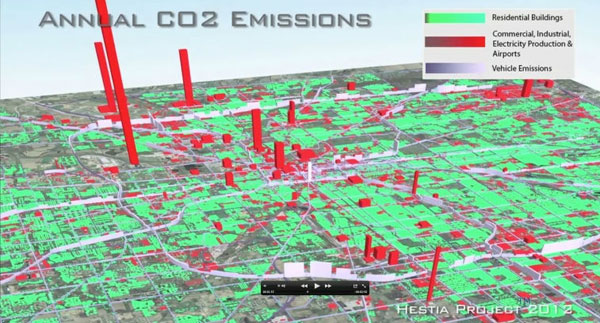
Experts at Arizona State University (USA) have launched a new software system capable of estimating greenhouse gas emissions in an urban area, on roads and buildings.
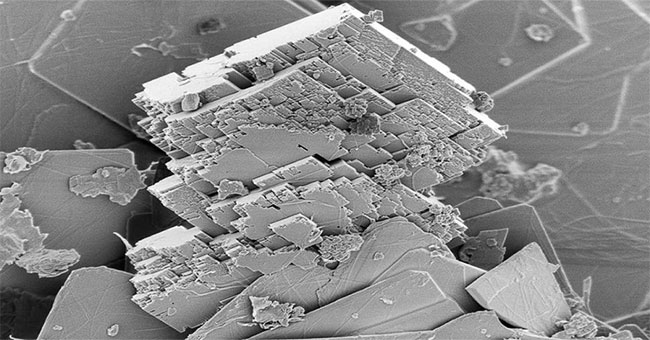
Although this study is only in the preliminary stage, scientists are optimistic that this is a big step in reducing greenhouse gas emissions.
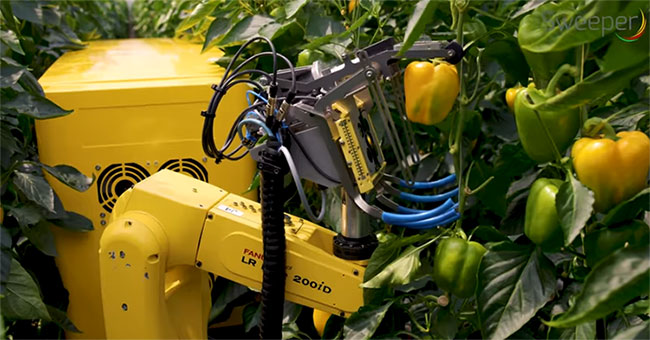
Compared to the traditional workforce, 'Sweeper Robot' can comfortably work in the harsh environmental conditions of greenhouses, which have high temperature and relativ…
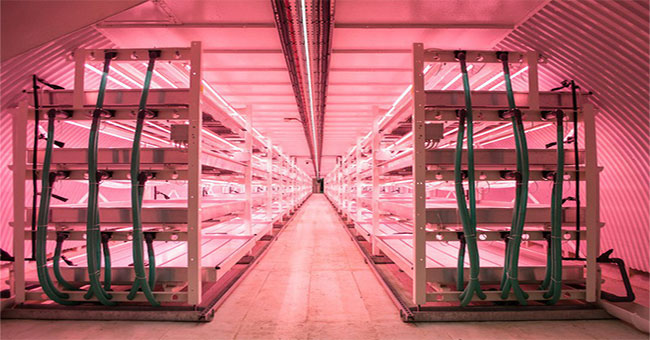
Currently being used in many parts of the world, controlled greenhouse farming is being improved by Sanan Sino-Science, a technology company in Fujian, China.
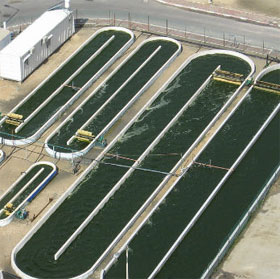
From drip irrigation to biological pesticides, Israel's agricultural revolution is bringing new ways to change the face of agricultural production.
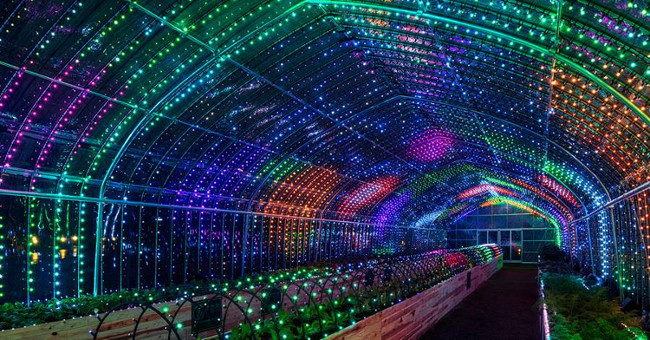
A digital greenhouse has just appeared in Tokyo, using illusion lighting and the 'vegetable orchestra'.
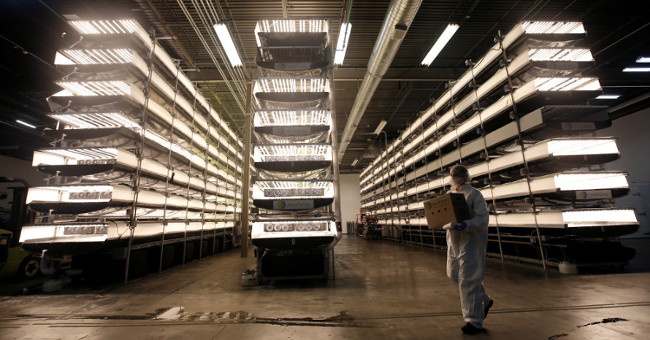
Compared to farms that operate in the old way, which depends on the land and sunshine, high-tech farms produce 100 times more, using only 5% of normal water.
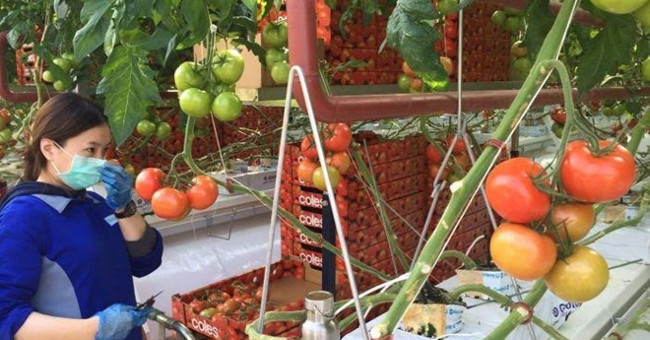
After years of research and experimentation, Sundrop Farm Company has succeeded in developing the first tomato greenhouse model based on the use of solar and sea energy.
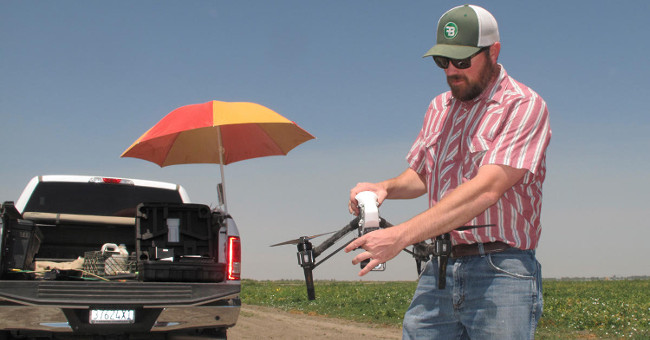
You just need a smartphone to manage. The rest left the robot to worry.
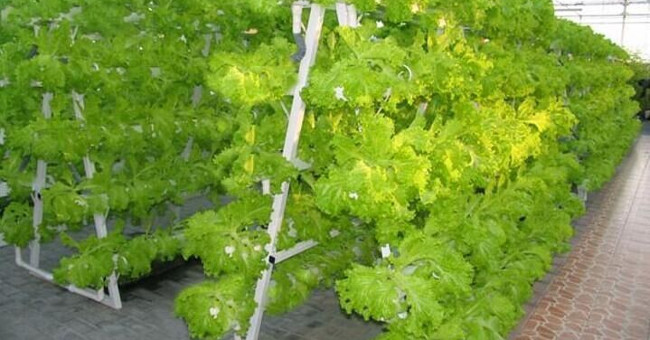
Vegetable plants that do not require the use of pesticides, fertilizers and soils can open up new futures for agriculture in China.
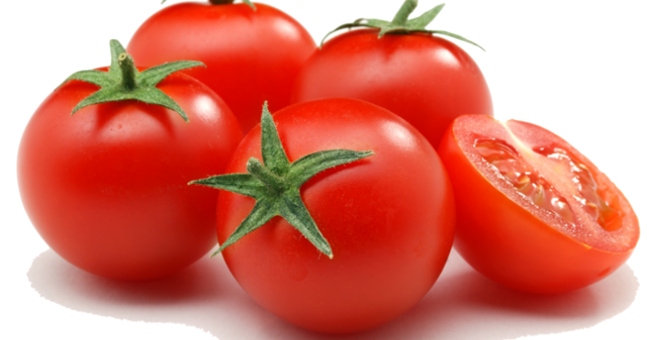
Damaged or deeply eaten tomatoes, or tomatoes and tomato seeds leftover when producing ketchup will be discharged into landfills and will create dangerous methane gas. B…
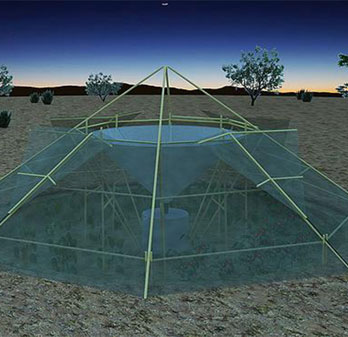
This is the idea that greenhouses can collect water vapor from the air, stopping to grow plants in the desert.