
Discover science
Top 5 'money-making' jobs in ancient Egypt
Ancient Egypt had many professions but not all of them were shortcuts to money and fame.
Browse ScienceInfo articles and explainers related to Hair.
686 published items.
Ancient Egypt had many professions but not all of them were shortcuts to money and fame.
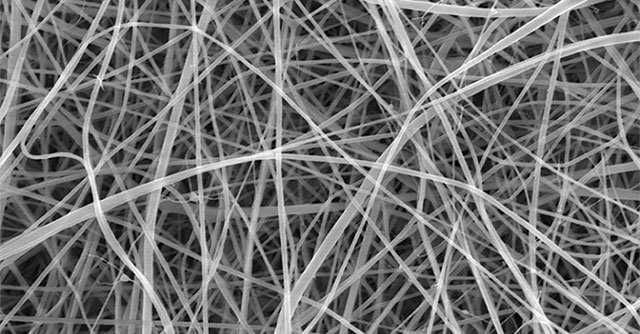
A team of British scientists have created the world's thinnest spaghetti, about 200 times thinner than a human hair and even narrower than some wavelengths of light.
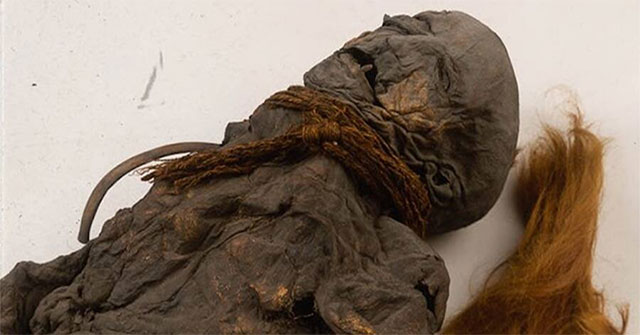
The 2,000-year-old mummy was discovered in a Dutch bog in 1897, and many believe the young girl was executed or sacrificed.
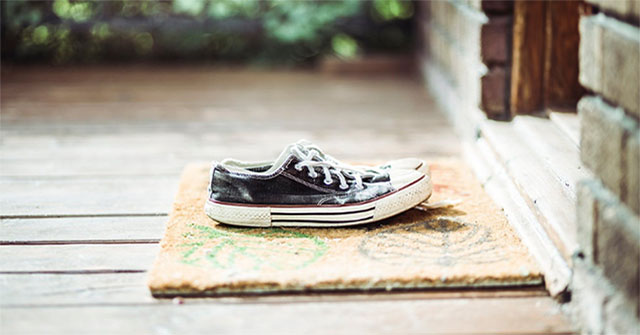
Faced with the unexpected spread of the Covid-19 epidemic, many people are worried about the risk of the coronavirus entering their homes, clinging to personal belonging…

A series of mysterious phenomena occurred during the funeral of Empress Dowager Cixi, causing many people to talk endlessly afterwards.
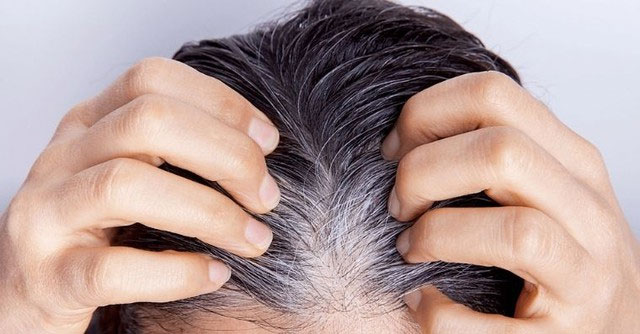
Why is it so difficult to turn gray hair even when we try to supplement nutrients or apply modern therapies?

Located off the northwest coast of Africa, the Canary Islands are a stopover for many sailors before crossing the Atlantic.
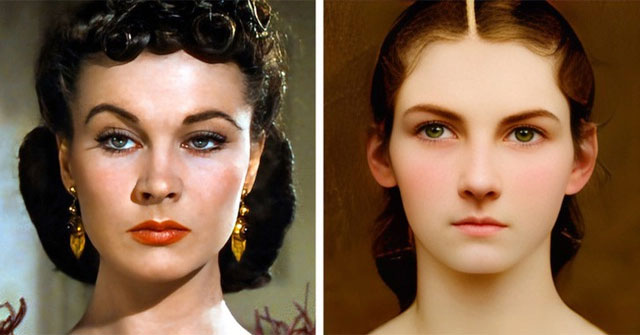
Do the actors in film adaptations of famous literary works look the same as they do in the books?

Using rice water to nourish and prevent hair loss is a popular trend on social networks. But is it as effective as rumored?
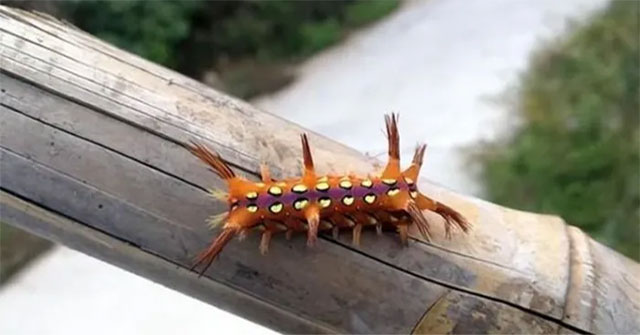
This species is often harmful to some crops and is an enemy hated by many Vietnamese farmers.

A 12-year-old boy who has never had a haircut in his life and is said to have a fear of haircuts, was threatened with expulsion from his school because of his long hair.

Research results by a group of experts at Harvard Medical School revealed that lead poisoning was not the leading cause of composer Beethoven's life.
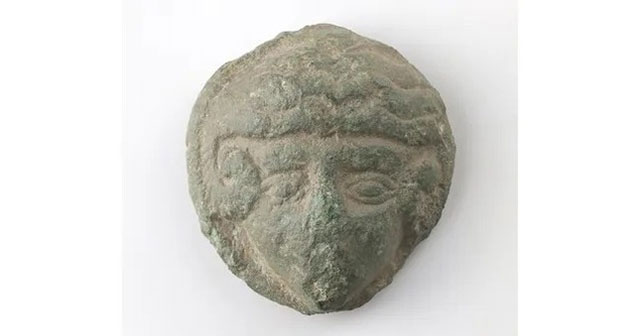
Metal detectors have unearthed a miniature bronze portrait of Alexander the Great on an island in Denmark.
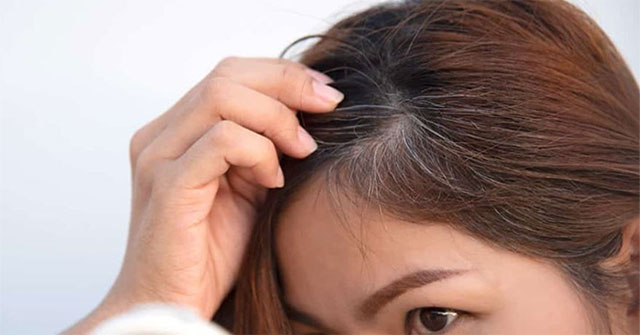
In many cases, gray hair is not only a sign of age but it also reflects a person's health status.

When you're scared, you feel like your hair stands up, your stomach rumbles, your heart pounds... Scientists recently discovered