
Discover science
Why is the Earth's core still hot after billions of years?
Heat from planet formation, radioactive decay of some elements, and friction between layers keep the Earth's core at extremely high temperatures after 4.5 billion years.
Browse ScienceInfo articles and explainers related to Heat.
1,098 published items.
Heat from planet formation, radioactive decay of some elements, and friction between layers keep the Earth's core at extremely high temperatures after 4.5 billion years.

Instead of using heat-generating energy like traditional engines, the new engine uses a unique property of quantum.
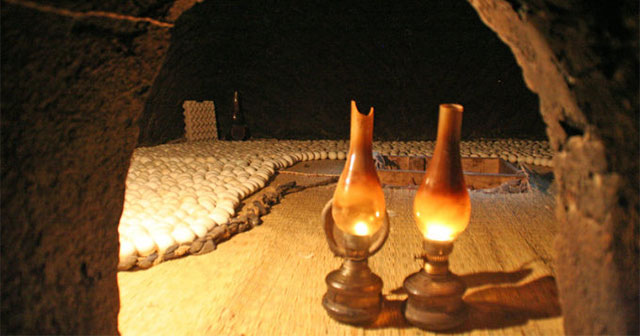
Thousands of years ago, Egyptians artificially incubated eggs by building two-story brick incubators and lighting fires above them.

Artemis 2, the first manned mission to the Moon since 1972, will not go ahead as planned.

MAN Energy Solutions' heat pump system uses a combination of renewable energy sources to provide heat for 25,000 households.

Some people worry about the risk of food poisoning so when eating canned foods such as canned fish or canned meat, they often reheat them thoroughly.

Using hydraulic pressing technique with appropriate heating level, a group of students from Da Nang successfully created a dish-forming machine from areca spathe, with a…

According to experts, infrared light therapy shows potential in relieving chronic pain, improving mobility and boosting mental health.

About 200 ancient stone fortresses in Europe have been vitrified by heating, puzzling archaeologists for the past 250 years.

When talking about the Sahara desert, everyone probably thinks of the intense heat and vast, dry sand. But surprisingly, many areas of this desert have been flooded afte…

Some icy regions of Antarctica are forming lush green vegetation at an alarming rate as the region is also hit by heatwaves.
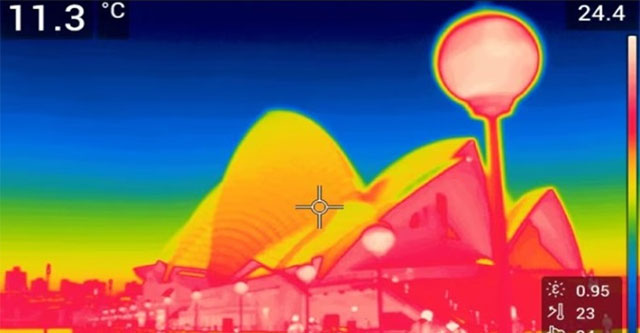
The device from the University of New South Wales team uses special semiconductors to collect infrared radiation emitted by the Earth and convert it into electricity.

How did Pompeii worms withstand the high temperatures of volcanoes? Scientists have conducted studies to try to unravel this mystery.

Ferrets, also known as ferrets. In this species of ferret, when in heat, the females must have a 'husband', otherwise they will die in pain and swelling.

Rising ocean and land temperatures provide extra heat and moisture, helping storms intensify and bring heavy rain around the world.