
Discover science
How Does a Nuclear Reactor Work?
A nuclear reactor controls a self-sustaining fission chain reaction so that heat can be removed safely and used for a practical purpose such as generating electricity, p…
Browse ScienceInfo articles and explainers related to Heat.
1,098 published items.
A nuclear reactor controls a self-sustaining fission chain reaction so that heat can be removed safely and used for a practical purpose such as generating electricity, p…
Nuclear power generates heat from fission, the splitting of heavy atomic nuclei such as uranium. A power plant uses that heat to make steam and drive a turbine-generator…
Coral bleaching happens when stressed corals lose or expel much of the symbiotic algae living in their tissues. Because those algae provide color and a major share of th…
Hurricanes form over warm tropical oceans when the atmosphere and ocean supply a specific combination of heat, moisture, rotation and organized thunderstorms. In other r…
Fusion ignition is a condition in which heating from fusion products becomes strong enough to sustain or amplify the fusion burn without relying only on continued extern…
A tokamak is a doughnut-shaped magnetic-confinement device designed to hold extremely hot plasma using strong magnetic fields so controlled nuclear fusion reactions can…
A fusion reactor aims to create a hot plasma in which light nuclei fuse, confine or compress that plasma long enough to release useful energy, then capture the energy in…

The GRX-810 alloy, developed using a combination of modeling and 3D printing, can withstand temperatures exceeding 1,000 degrees Celsius.

To clarify, carbon monoxide (CO) is a colorless, odorless gas released from fuels such as charcoal, propane, methane, or petroleum that are partially burned (incomplete…

Cooking and cleaning up will become much easier if you know how to use your microwave properly.

You might find it confusing to see healthy trees along the street suddenly painted white from branch to branch. But there's a reason for that.
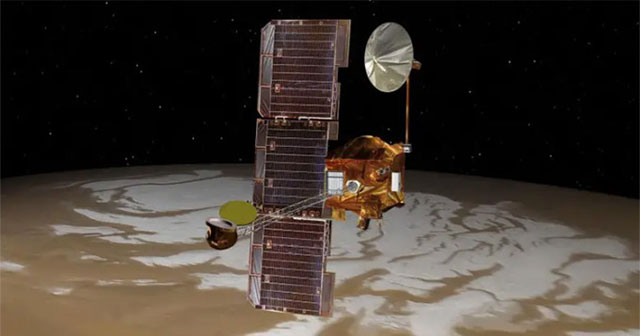
An error in calculating the remaining fuel of the 22-year-old Mars Odyssey orbiter had experts thinking it was about to end its mission.

Not only can solar energy completely meet all of the world's energy needs, in the long term it is the only energy source that will not overheat the Earth.
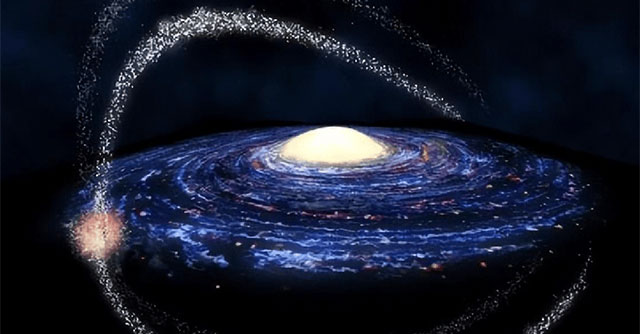
In the journey of exploring the universe, each new discovery brings unique perspectives and sometimes, heated debates within the scientific community.

Tokamak Energy shares first images of commercial fusion power plant using 200 MW effective tokamak reactor.