
Space science
Surprise with a strange life on the new solar system discovered
New solar system TRAPPIST-1 that NASA has discovered has 7 planets of the same size as the Earth and has enough temperature for life.
Browse ScienceInfo articles and explainers related to Heat.
1,098 published items.
New solar system TRAPPIST-1 that NASA has discovered has 7 planets of the same size as the Earth and has enough temperature for life.
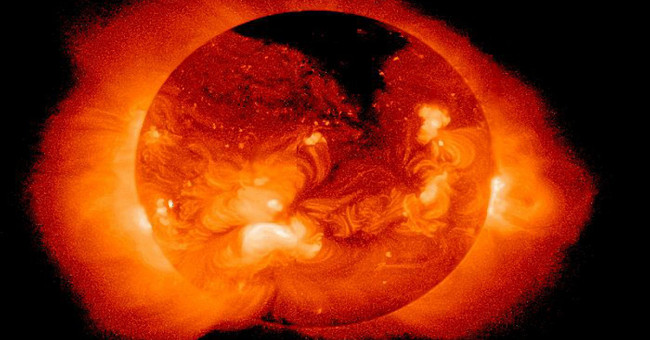
The sun is about 5,500 degrees above its surface and its corona (halo) is 200 to 500 times hotter, a terrible number.
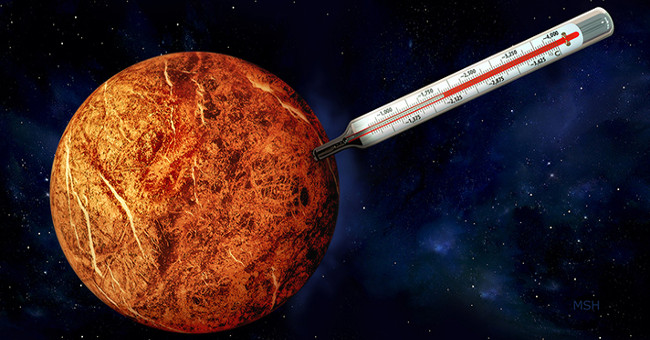
Although the planets lie far away from the host stars, they start to heat up and retain that hot temperature.
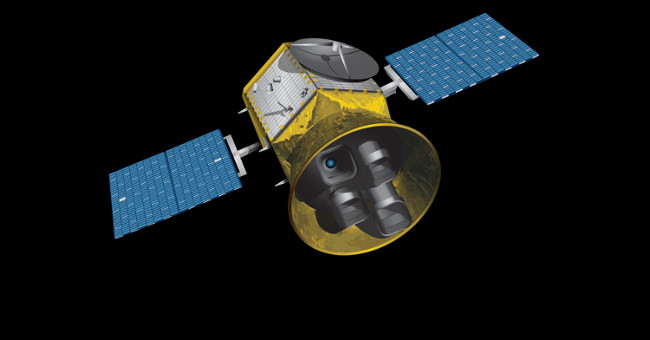
While the search for distant exoplanets is heating up every day, NASA's new satellite will choose its own path: finding extrasolar planets near us.

The US Aeronautics and Space Administration (NASA) on March 30 drew a heat map on the super-earth 55 Cancri e, showing great thermal fluctuations between the day and nig…
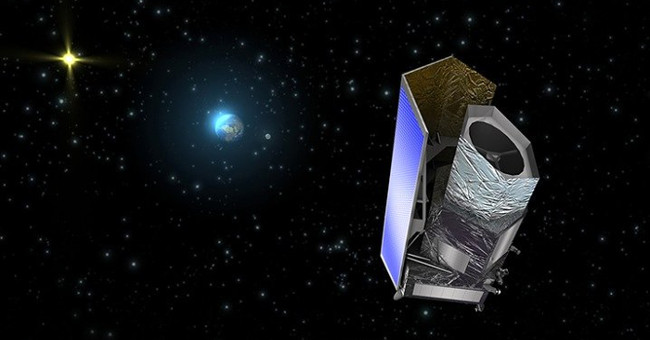
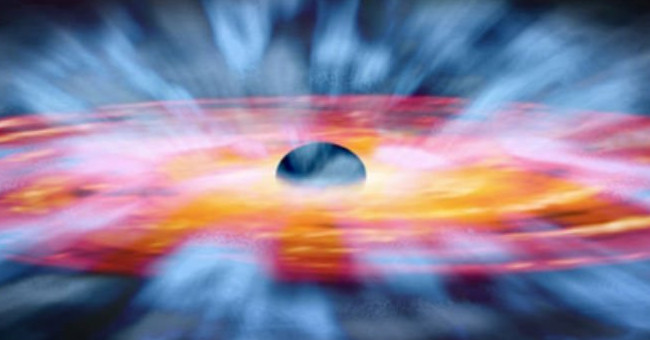
The mystery of the black hole's physical state is about to be discovered when American physicists find a way to get information from inside these black holes.

The vast solar system hides undiscovered things, especially its harshness, from storms with wind speeds of thousands of kilometers per hour, to geographic regions with t…

A few days ago, scientists at NASA announced that they found water on Mars and Elon Musk believed that only settling on Mars (possibly on other planets) would help peopl…

A space technology billionaire said it could accelerate the warming process of Mars, turning it into a habitable place with nuclear weapons.

On a cold January night, sharp stars radiate a sparkling light in the sky, while dawn, another similar planet - the sun - is red like a round fireball. .
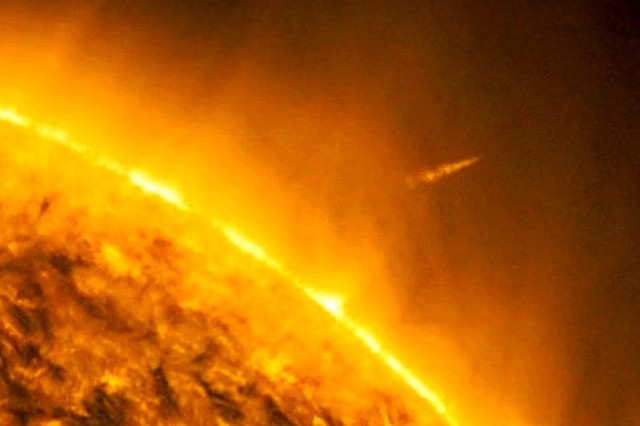
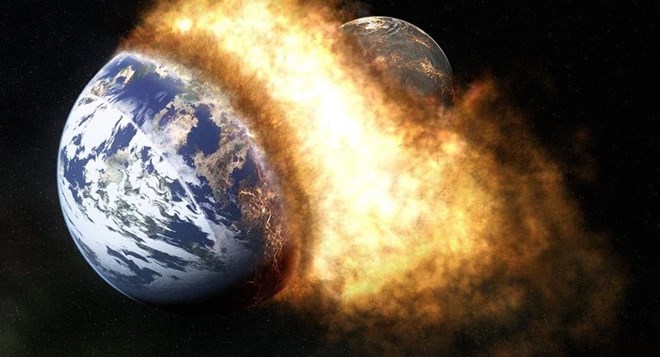
New US scientists found a proof that an Earth explosion is inevitable. All living things may die earlier than previously anticipated.
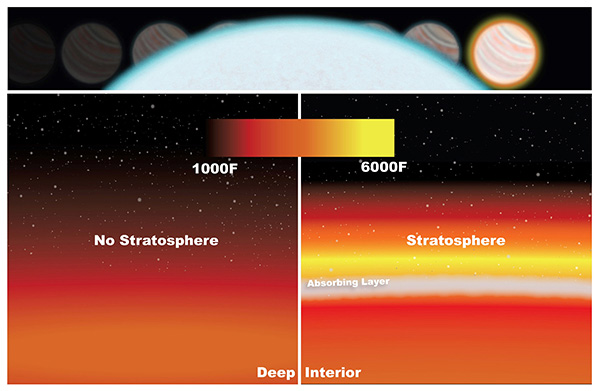
By the Hubble space telescope, scientists at NASA discovered the stratosphere - one of the main layers of the Earth's atmosphere, appearing on a giant, super-hot planeta…
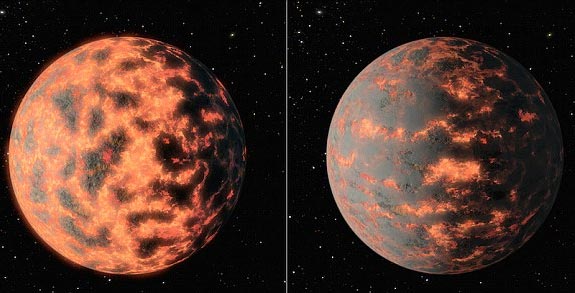
British scientists have discovered a terrifying fluctuation on the rock planet 55 Cancri e, dubbed the