
Archeology
Modern people use fire to make stone tools from 72000 years ago
Evidence that early modern people living in the southern tip of Africa's coast 72,000 years ago used fire control techniques to increase the efficiency and quality of th…
Browse ScienceInfo articles and explainers related to Heat.
1,098 published items.
Evidence that early modern people living in the southern tip of Africa's coast 72,000 years ago used fire control techniques to increase the efficiency and quality of th…

The debate is heating up around a controversial hypothesis that the very strong collision with comets caused the huge North American mammals to become extinct nearly 13,…

The international team examined charcoal from a fireplace in the Pedra Furada archaeological site (in Serra da Capivara National Park, Brazil).

A recent study opened the door, explaining the long-standing secret of dinosaurs: This is an animal with extremely high body temperature, unlike their siblings who are c…
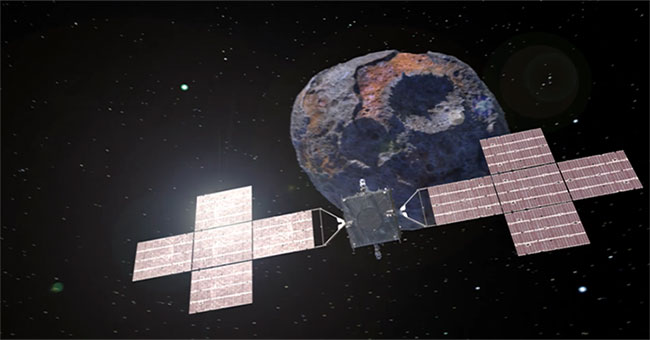
Astrophysicists have come up with a new plan in the future technology competition held in Shenzhen, China, Tech Times reported on July 26.
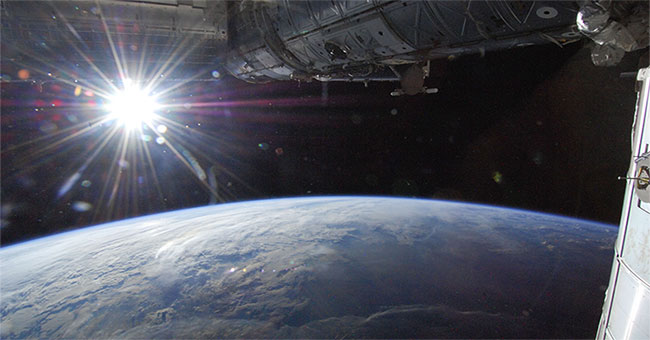
The weather is hot, the temperature rises to record levels taking place in the past week in the world, in North American cities like Denver, Colorado; Burlington, Vermon…

It seems that besides the footprints, Apollo astronauts leave more than that.
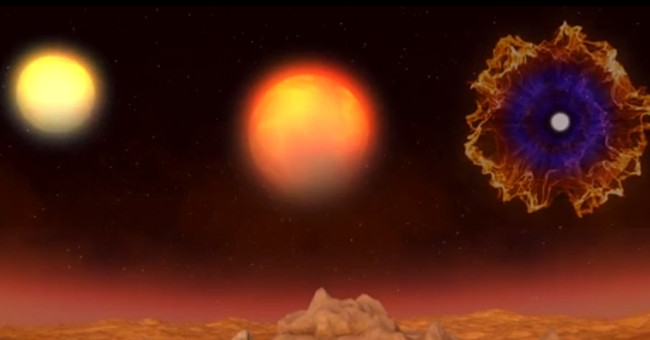
When the Sun dies, its core heats up fast enough to create observable planetary nebulae from a distance of two million light years.
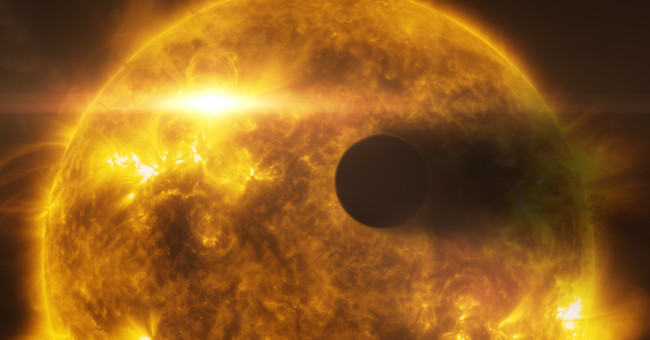
The sun - the star in the solar system and the source of energy and natural light for the Earth.


All research on astronautics must be based on a prerequisite, which is to ensure safety for astronauts.
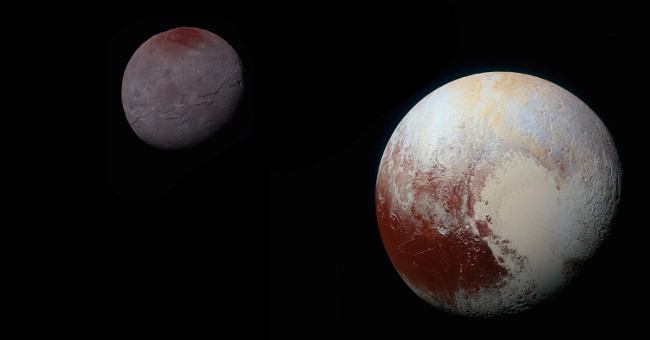
According to NASA, many other stars in the solar system like the King of Kings and Pluto ... can hide under its ice, oceans containing extraterrestrial life.

If a planet is too far away from its star, surface water on the planet will freeze, if the mineral is too close, surface water will evaporate into the universe.
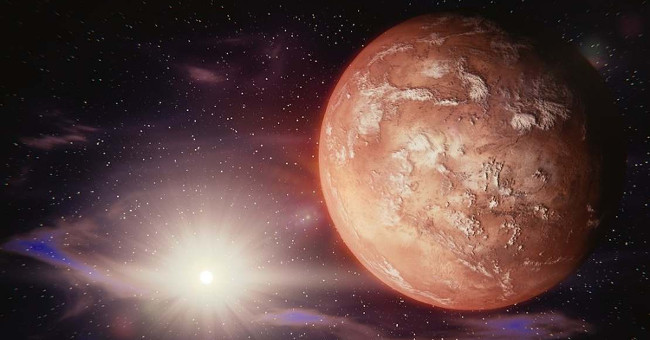
Russian scientists believe that the Martian polar ice could be heated to produce greenhouse gases, increase surface temperatures and living conditions on Mars.
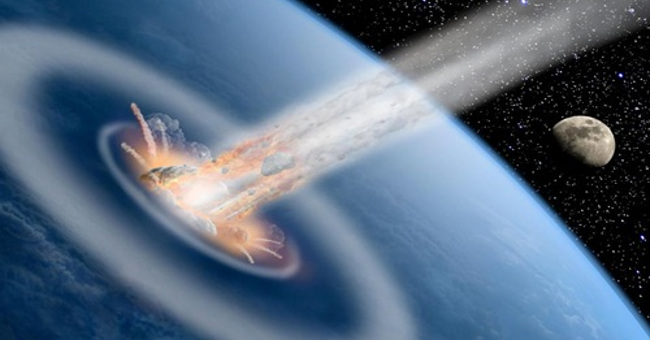
Strong winds, high pressure, heat radiation are three of the asteroid's effects when colliding with the Earth are capable of killing humans and many other organisms.