
1001 mystery
The phenomenon of corpses heated up mysteriously
The body of a patient heated to 40 degrees C after death is a mysterious phenomenon that confuses the scientific world.
Browse ScienceInfo articles and explainers related to Heat.
1,098 published items.
The body of a patient heated to 40 degrees C after death is a mysterious phenomenon that confuses the scientific world.
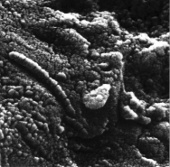
The race to find intelligent life, or any life beyond Earth has led to a heated competition among scientists around the world during the past decades.

The idea of life on the Moon of a strange planet in the movie Avatar is being accepted by scientists, promoted.

For decades scientists have been trying to understand the origin of stone balls scattered throughout the world from Frans Josef Land to New Zealand.

A crack appeared on the heat shield of the new Mars exploration vehicle scheduled to launch into space in July 2020, NPR reported on April 27.

The Unesco Scientific, Educational and Cultural Organization has recognized China's Test of Paint and the Eight Kingdoms Temple as a World Cultural Heritage in 1994.
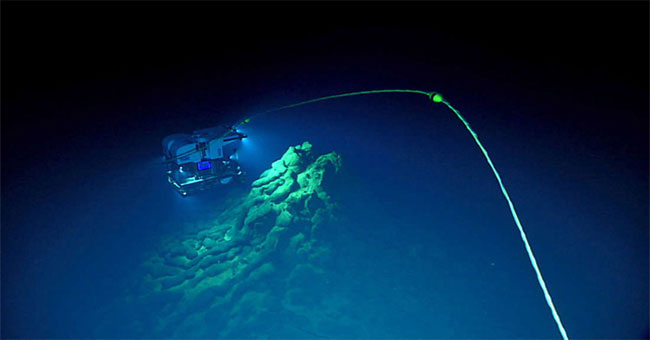
Mariana groove or rift in the Mariana Islands, in the Pacific Northwest. The terrible depth of the Mariana Trench is even bigger than the tallest Mount Everest in the wo…
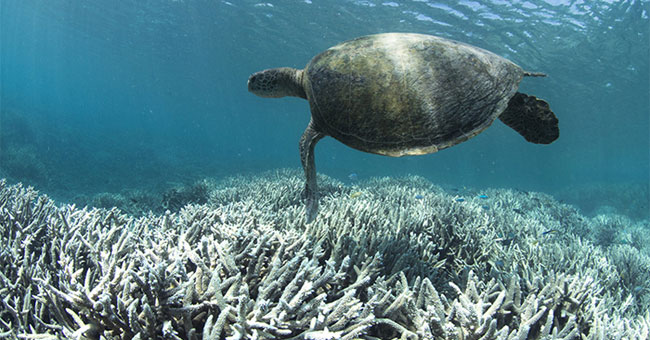
Australian scientists have discovered that some types of algae can switch genes to withstand higher temperatures, avoiding coral bleaching.

The eyeless shrimp, the black-faced demonic fish ... are creatures that are frightening but possess strong vitality in the crater.
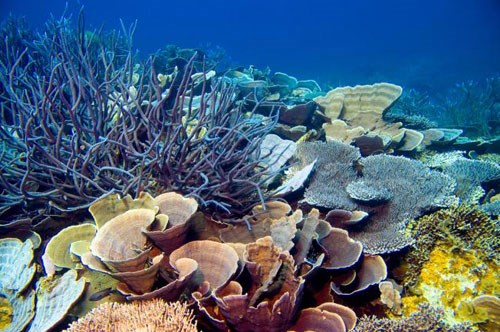
When seawater is continuously heated, scientists have observed events of coral bleaching at a greater and more frequent level. Ecologists worry that climate change can m…

A corpse filled with blood was torn to reveal all the bones that had washed up on Russia's beach. This creature has a strange shape that scientists have not yet identifi…

According to the new article published in Science magazine, the Opah fish, also known as the Moon fish, is the first fish that has fully developed adaptations through th…

According to the new report of the International Program on Ocean Status (IPSO), the health of the world's oceans is severely declining at a faster rate than expected.
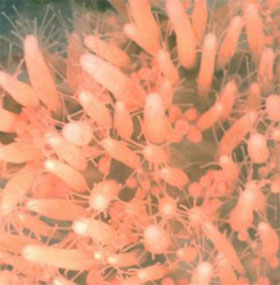
A self-regenerating Irish sea creature is being considered by scientists in the study of stem cells to treat birth defects and cancer.
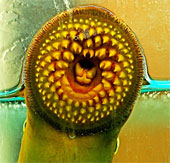
Biologists at the University of Michigan have discovered a range of fat cells near the anterior dorsal fin of male male cobia when the female approaches.