Discover science
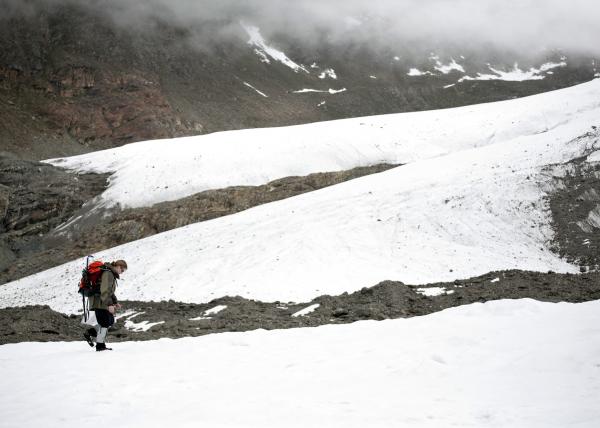
Glaciers expand as Asia heats up
Normally when the temperature rises, the ice will melt away.
Browse ScienceInfo articles and explainers related to Heat.
1,098 published items.
Normally when the temperature rises, the ice will melt away.
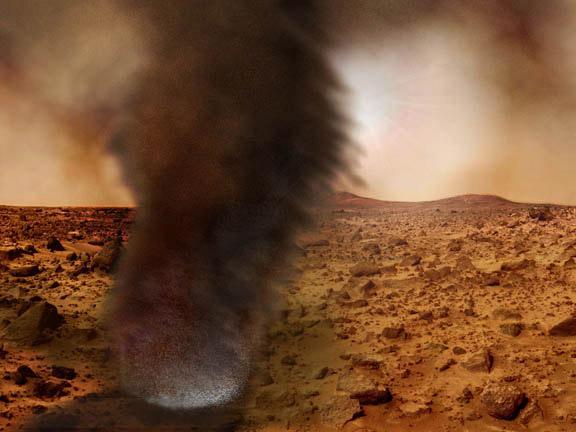
Researchers at the University of Michigan said it was the first time to find direct evidence of lightning on Mars. The signal of discharge during dust storms on this red…
The secret of the incredible size of giant dinosaurs may be that this reptile uses more energy for growth than keeping the body warm compared to other animals.
A study conducted by the University of Missouri, published in Nature, found that the Earth's crust melted more easily than we thought.
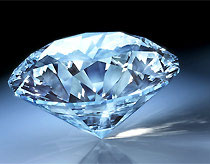
More than a billion years ago, deep underground, tremendous heat and extremely high pressure worked out the diamonds that people exploit today.
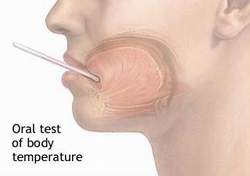
One strange thing is that among more than 6 billion people on earth, each person has its own characteristics different in height, weight, age, gender ... and different e…

Your body needs to maintain a constant temperature at 36.9 degrees Celsius. To avoid hypothermia and other consequences of coldness, your brain will keep a close eye on…

When diving 18 degrees Celsius, the body loses heat through the skin 25 times faster in the air. The vascular surface shrinks to focus on the internal organs and maintai…

An American scientist discovered the mechanism of the Mpemba effect - known after a Tanzanian student named Erasto Mpemba found that the sugar milk he used to make ice c…

When fanning the fan, we chased away the hot air in the face and replaced it with cold air. By the time this new gas layer heated up, it would be replaced by another lay…

When winter hits a metal object, it feels cold to touch a piece of wood even though their temperature is the same. That's because metals conduct heat better than wood: t…
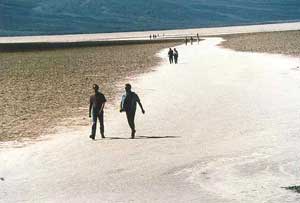
Human heat resistance is much better than we thought. In central Australia, summer temperatures in shady areas are usually 46 degrees Celsius, peaks up to 56 degrees. An…
The problem is simple, but not everyone has the correct answer to this question. Here is the explanation of physicist Ia. I. Perenman.
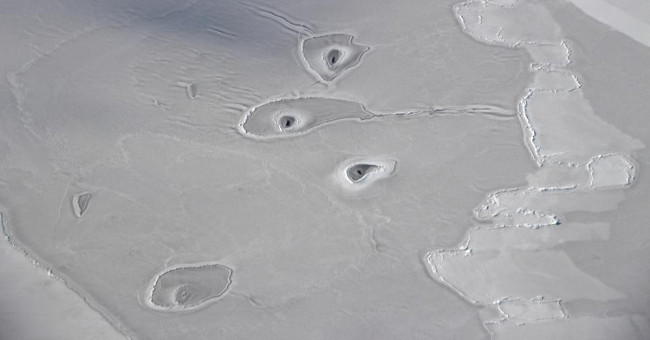
Looks like mysterious holes like someone pulling a sharp object, heating up ice cubes to create punctures and a slight melting of ice around.