
Medicine - Health
Women who smoke increase the risk of stroke when they are active
Women who smoke 30 cigarettes a day are nearly 9 times more likely to have a stroke, noted primarily during strenuous activity, including exercise and sex.
Browse ScienceInfo articles and explainers related to Hemorrhage.
30 published items.
Women who smoke 30 cigarettes a day are nearly 9 times more likely to have a stroke, noted primarily during strenuous activity, including exercise and sex.
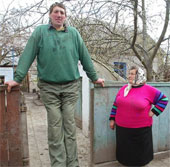
Leonid Stadnyk, Ukrainian man is said to be the tallest person in the world, died of brain hemorrhage.
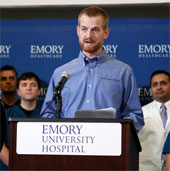
The Republic of Congo warns of strange diseases that are killing many people. WHO says the Ebola epidemic continues to worsen in West Africa.
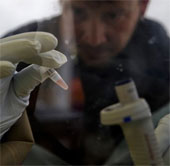
Ebola virus disease is a threat to the whole world not only because of the rapid spread and high mortality rate, but also because we do not have cure.
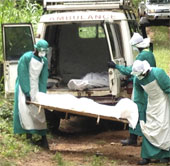
The Ebola epidemic, which reappeared in West Africa earlier this year, is out of control making many countries and leading health organizations alarm.
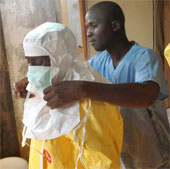
Wash your hands often with soap, avoid contact with animals at high risk of Ebola virus infection ... to prevent spreading the disease.
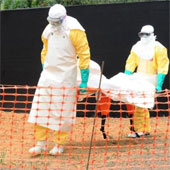
The worst outbreak of Ebola in history now forces Liberia to close most of its borders.
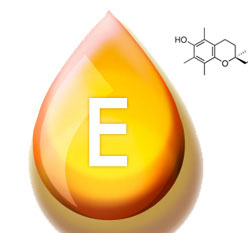
Scientists have worked with nearly 120,000 people, half of whom are supplemented with pure vitamin E. Research shows vitamin E ...

Surgeons in Shanghai, China recently successfully removed a chopstick from the stomach of a 50-year-old male after 28 years he swallowed it.

A scientific study indicates that soy can provide protection against the risk of brain hemorrhage.

Medical researchers in Taiwan have discovered the positive response of Rosiglitazone to the treatment of patients with cerebral hemorrhagic stroke.
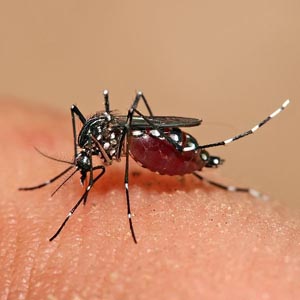
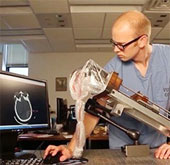
Stroke or intracranial haemorrhage occurs when a blood vessel in the brain ruptures, the blood leaking out to form a blood clot that puts pressure on the surrounding bra…

The InfranScanner handheld provides clinicians with a powerful, compact, flexible tool for identifying intracranial haemorrhage in patients with head trauma.

Researchers in Zurich (Switzerland) are developing a magnetic nanotube capable of detecting harmful molecules that exist in the blood and removing them.