
Discover science
Decode the largest naval battle in the history of the ancient world
In 480 BC, Persian Emperor Xerxes deployed more than 1,200 warships and about 300,000 troops to attack Greece at Salamis Bay.
Browse ScienceInfo articles and explainers related to History.
1,661 published items.
In 480 BC, Persian Emperor Xerxes deployed more than 1,200 warships and about 300,000 troops to attack Greece at Salamis Bay.

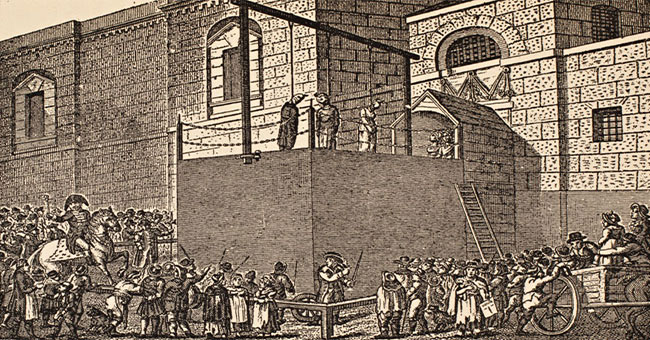
Do you believe the British ever had a ... unsanitary victory in history?
Do you know Japanese samurai warriors there?
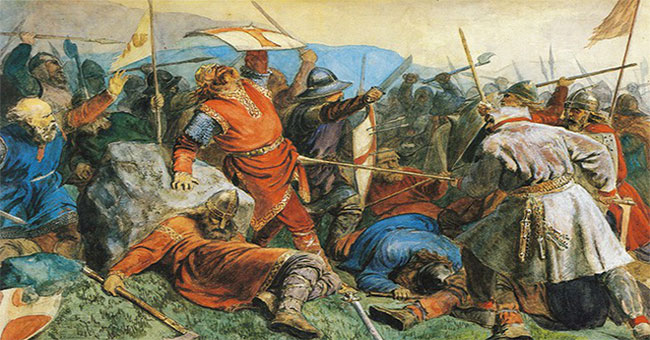
The Vikings are always remembered as one of the most feared warriors. All Vikings were mobile warriors and it was imperative to consider carrying weapons with them.

Dieing by laughing, dying by tripping by his own beard, dying of proving himself flying, being killed by robots ... are some of the strangest strange deaths

Before the 2018 Winter Olympics, the Korean government asked 12 Pyeongchang area dog meat restaurants to stop selling the food during the event.
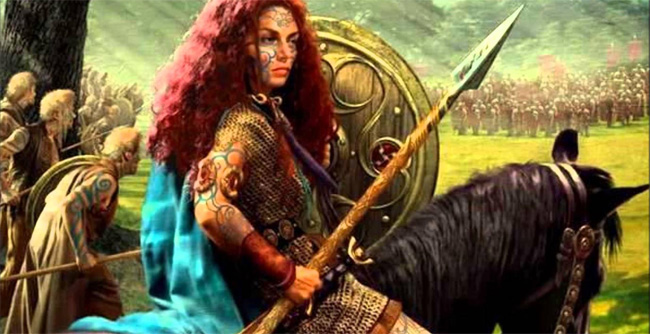
The strong fighting spirit and talent of these female warriors makes even the eyebrow whiskers not be admired.
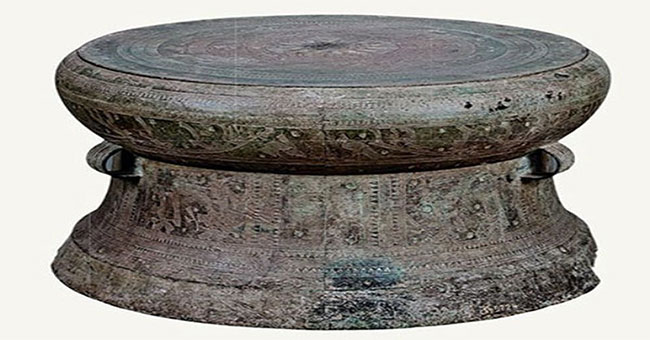

169 years of history with 24 emperors, at that time extremely rare military ranks that were mostly brutal, euphoric, and wild.

In the late summer of 1798, when the deadly yellow fever swept across Philadelphia, the people left the city but left but there were individuals forced to stay here.
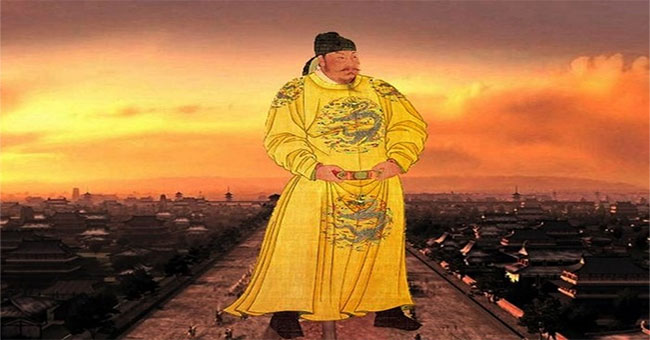
Over 5000 years of history, the dynasties of China followed each other and died. Each of the dynasties has a separate name.

It is often said that the tiger tigers do not eat children, however, there have been so many thrilling stories that the loss of virtue revolves around this problem happe…

Han Tu Cao is the first and only general considered to be queen in Chinese history.

Trinh Phi was the last person to die voluntarily when the emperor died, making a sacrifice for the passionate love between his cousin Dong Ngac Phi and the Qing Dynasty…
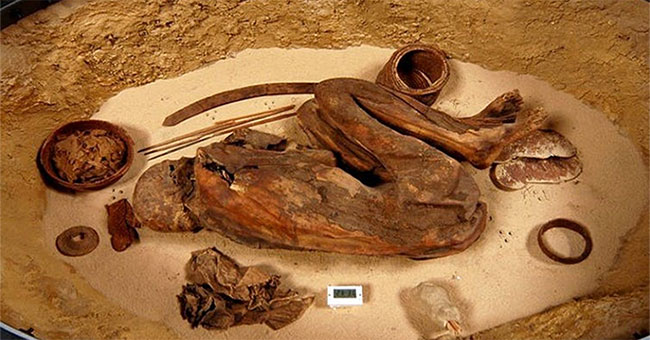
Dr. Jana Jones, Ancient History Department, Macquarie University, Australia and colleagues have published the results of a group analysis of a prehistoric Egyptian body.