Health
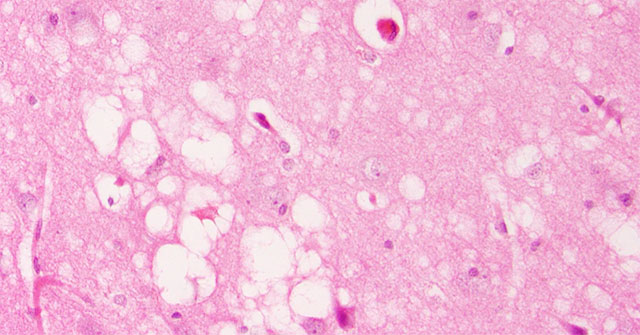
Which infectious diseases have a mortality rate close to 100%?
Most infectious diseases that were once deadly can now be prevented with vaccines or treatments, with the exception of a few dangerous ones like prion diseases.
Browse ScienceInfo articles and explainers related to Host.
219 published items.
Most infectious diseases that were once deadly can now be prevented with vaccines or treatments, with the exception of a few dangerous ones like prion diseases.

The SARS-CoV-2 variant first identified in the UK, B.117, may have come from dogs. The discovery raises the risk of culling dogs in areas where B.117 is circulating.
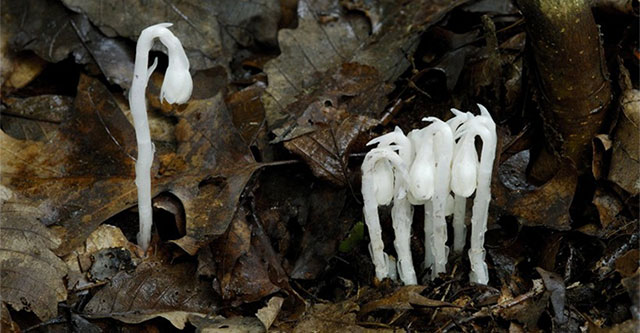
Containing no chlorophyll and requiring no sunlight, the ghost tree hides deep in the dark forests of Africa and Asia.

Impact craters in Antarctica not only intrigue scientists but also inspire a host of research questions.
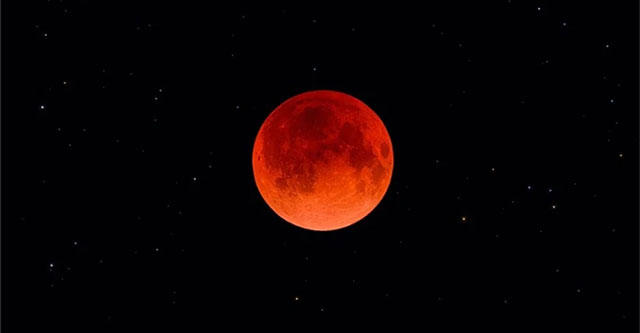
In 2025, stargazers can look forward to a host of exciting celestial wonders.
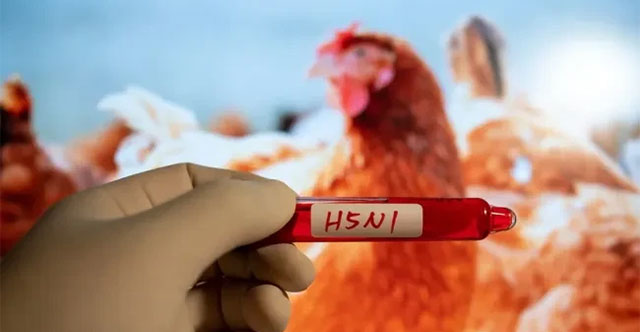
Japanese researchers found that the H5N1 virus in cattle is more sticky than the virus originating from poultry, making this flu strain more contagious.
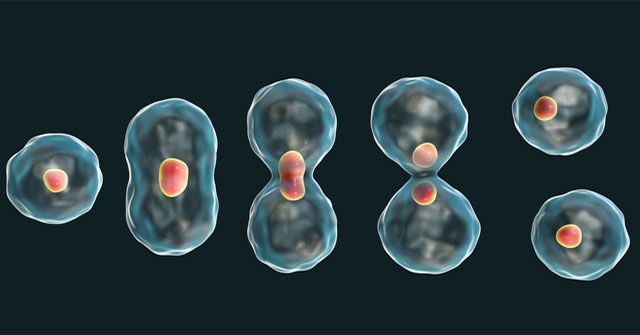
Creating cancer cells is a very complex process, requiring the coordination of many factors and the accumulation of many mutations to eventually form cancer.
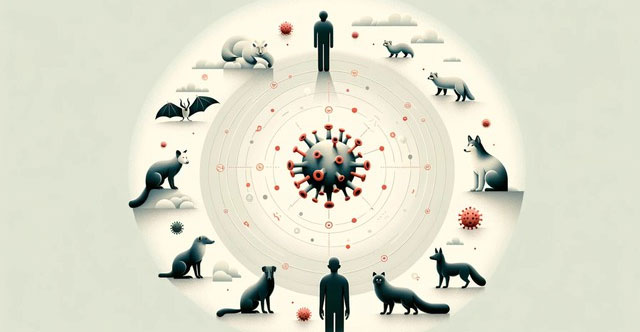
These findings challenge our understanding of zoonotic diseases and highlight our indispensable role in the ecosystem's exchange of viruses.
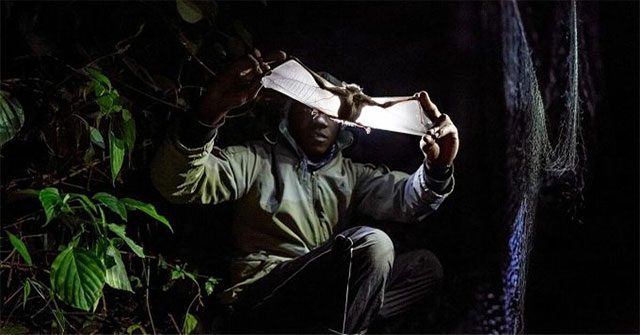
Viruses that spread from animals to humans are new pathogens, so they are all dangerous, the immune system has never known how to cope while they constantly mutate to ad…
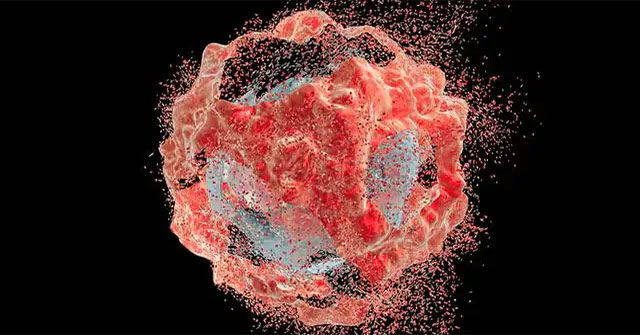
Many cancer cells are very active in the host and can continue to divide and multiply to cause untold damage.
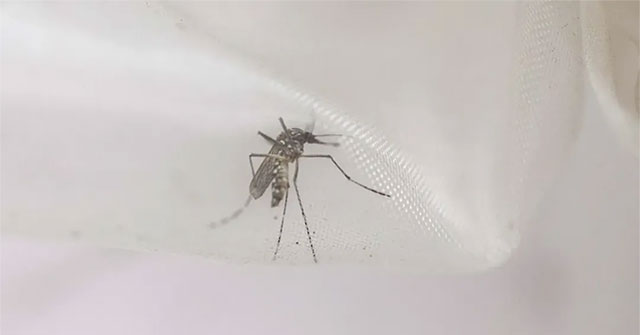
Mosquitoes need sleep to function properly, just like us. In fact, laboratory mosquitoes sleep between 16 and 19 hours a day, depending on the species and the level of a…
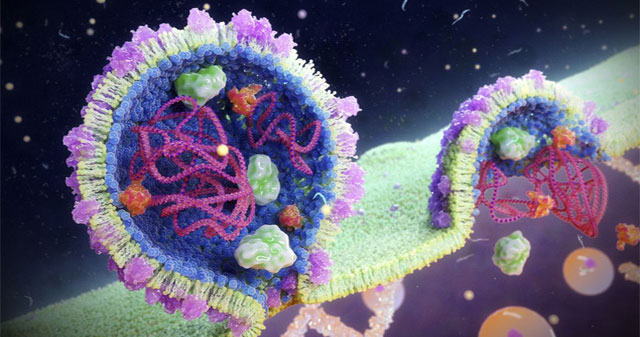
Scientists say thousands of mysterious viruses have been discovered recently lurking in the world's oceans. In it, the focus is on RNA viruses that infect other ocean cr…
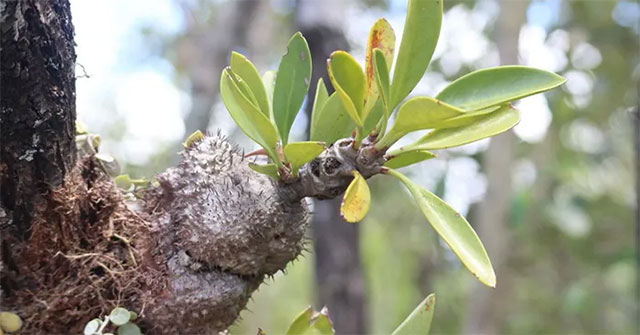
At first glance this plant looks like a deformed tumor clinging to the host plant. The outside appearance is weird, but the inside of them is really creepy...
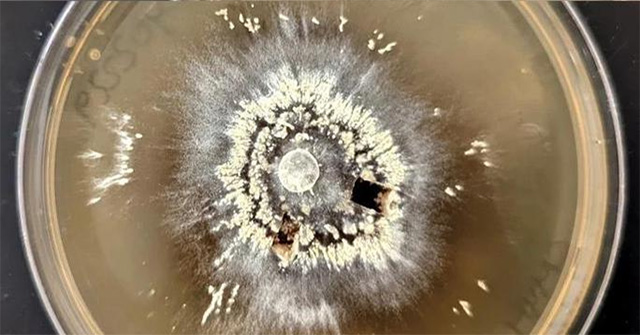
New research shows that a host of fungi and bacteria not only survived the Great Soberanes fire in 2006 but thrived like never before, as if fueled by fire.
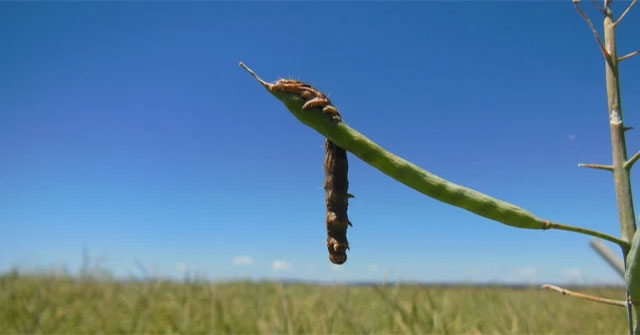
In a subtle evolutionary mechanism, this virus has taken control of the host's brain and caused it to behave in spite of its life.