Space science
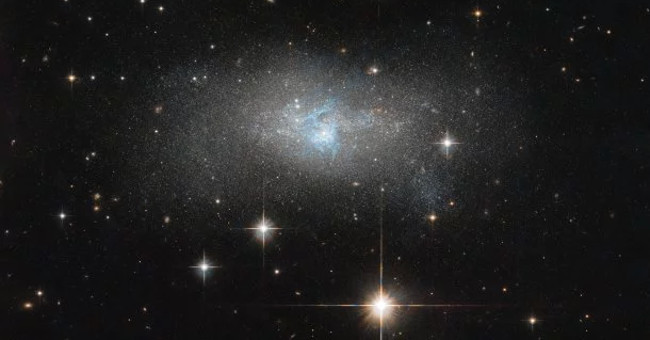
The glowing galaxy is 28 million light-years from Earth
NASA's Hubble Space Telescope captures the details of the galaxy IC4870, UPI on 8/6 reported. IC4870 stands out from the picture with a series of other stars around.
Browse ScienceInfo articles and explainers related to Hubble Space Telescope.
62 published items.
NASA's Hubble Space Telescope captures the details of the galaxy IC4870, UPI on 8/6 reported. IC4870 stands out from the picture with a series of other stars around.
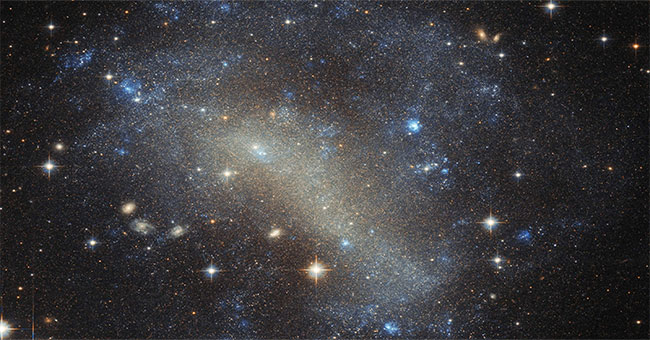
It is thought that this abnormal galaxy has been distorted over time, through external gravity when interacting or merging other galaxies.
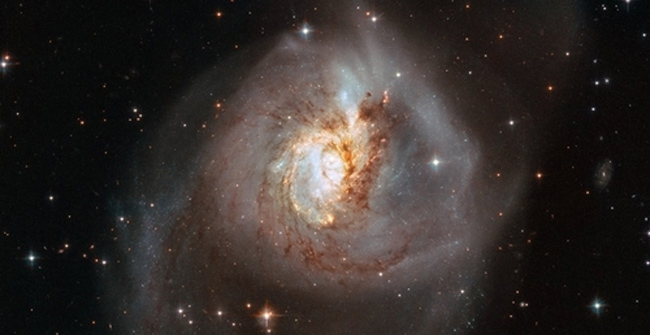
Galaxy NGC 3256 has a distorted shape due to the formation of a collision between two spiral galaxies.
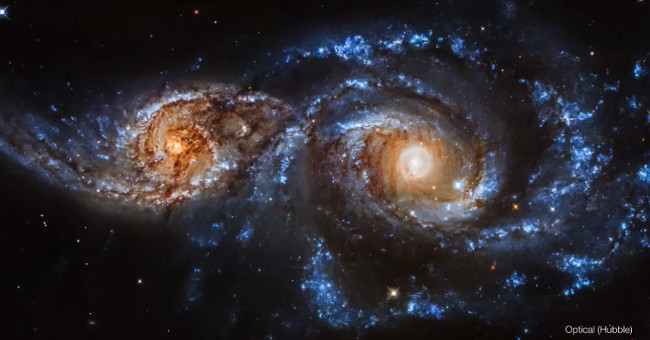
Scientists recorded the collision between two spiral galaxies NGC 2207 and IC 2163, UPI on April 23 reported.

The team used NASA's Hubble Space Telescope to observe extraterrestrial WASP-107b.
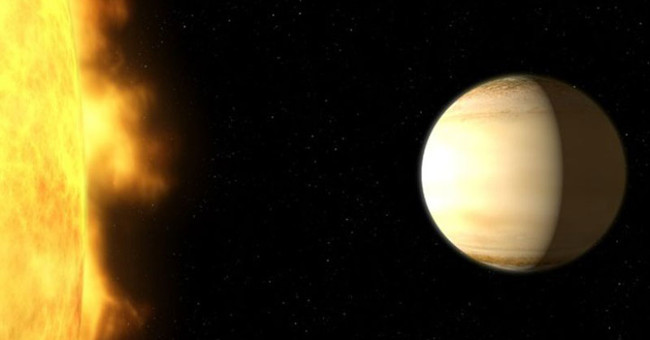
They used the Hubble space telescope and the Spitzer telescope to create a detailed spectrum of the WASP-39b atmosphere, allowing for evidence of water's existence.

According to a new study, sweeping dust storms on Mars play an important role in promoting moisture loss. Unexpected information related to Mars stunned.
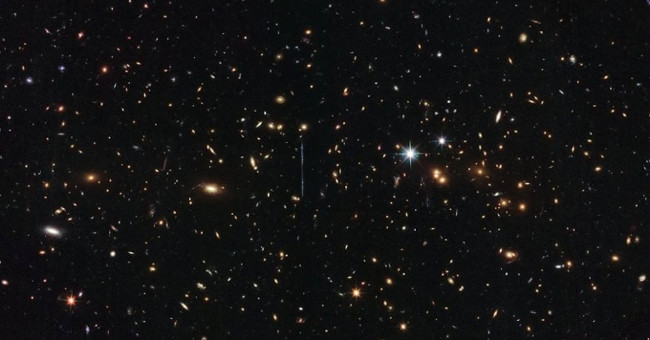
El Gordo in Spanish means
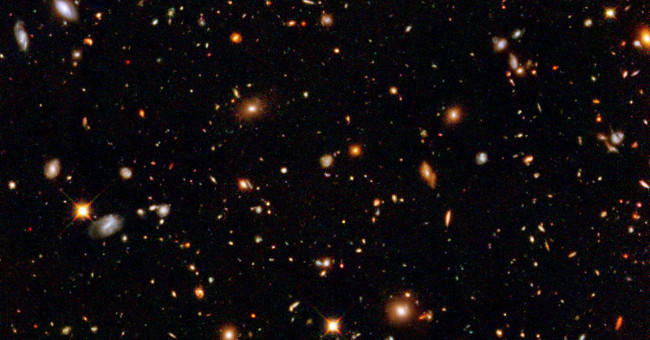
An innovative measuring instrument on a telescope in Chile discovered 72 mysterious galaxies dating back 13 billion years, right after the universe was formed.
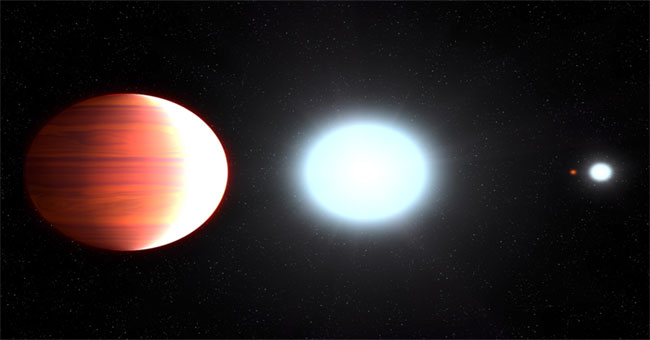
Astronomers have discovered a strange and extremely alien planet. If you have the opportunity to travel space, then skip this planet.
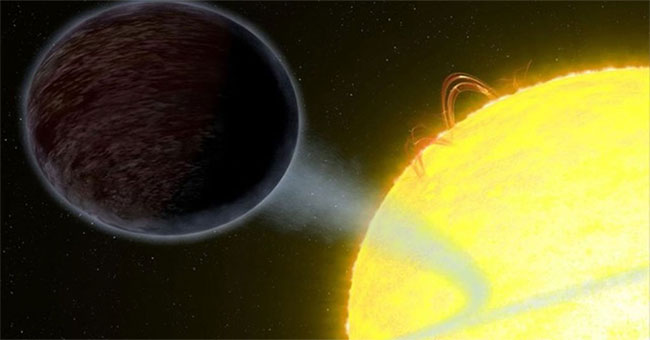
The Hubble Space Telescope of NASA discovered the strange planet WASP-12b is almost completely black, because it absorbs 94% of the light shining on the surface.
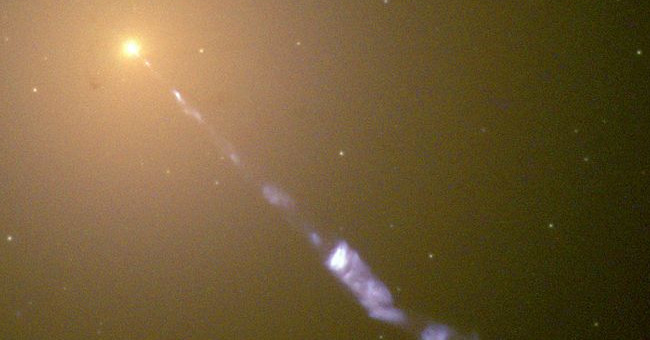
A strange beam of plasma in the universe has features that are contrary to the laws of physics when it seems to move faster than the speed of light.
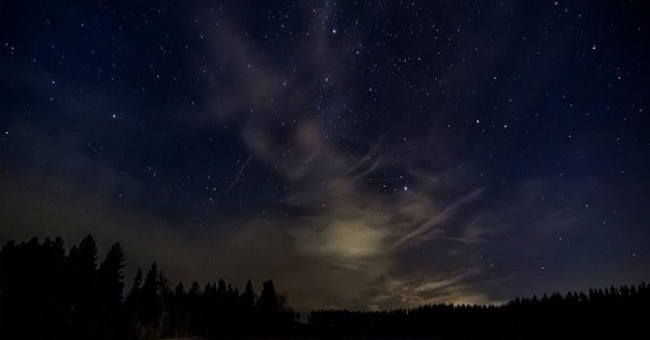
The hypothesis that 200 years ago explained the cause of the dark sky at night is because hydrogen clouds prevent light from the countless stars being proved to be accur…
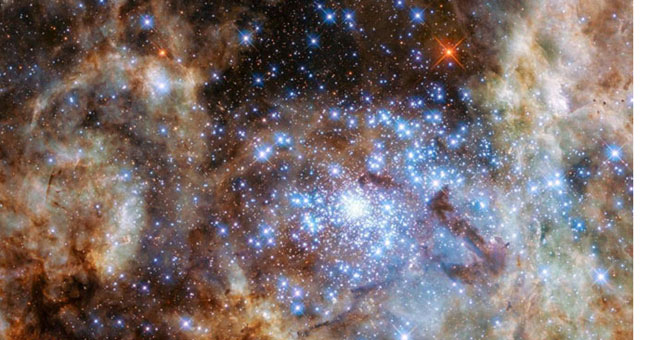
Scientists have found the largest star cluster in the universe to date, with a brightness of 30 million times the Sun.
Astronomers have just published a shocking information when it discovered how the largest cosmic elliptical galaxies continue to produce stars despite the