Space science
The world's largest telescope is ready to operate
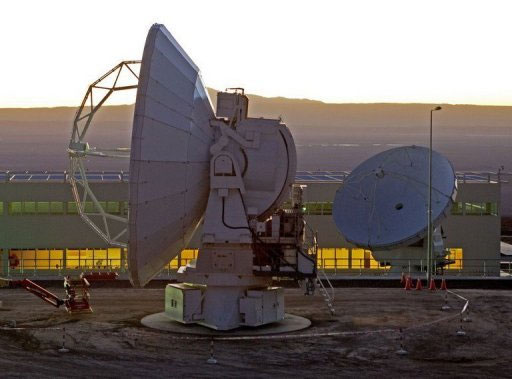
The world's largest radio telescope network is ready to operate phase 1 in the Atacama desert in northern Chile.
Browse ScienceInfo articles and explainers related to Hubble.
300 published items.
The world's largest radio telescope network is ready to operate phase 1 in the Atacama desert in northern Chile.
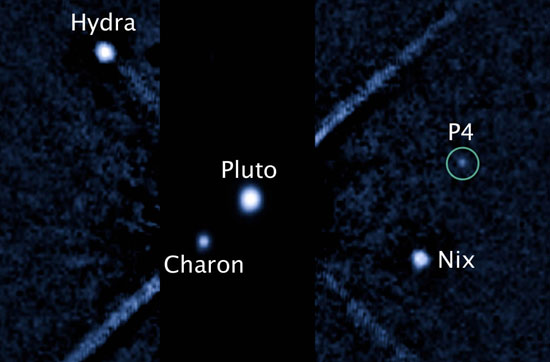
Astronomers with the Hubble space telescope have discovered the fourth satellite of Pluto, AFP reported on July 20.
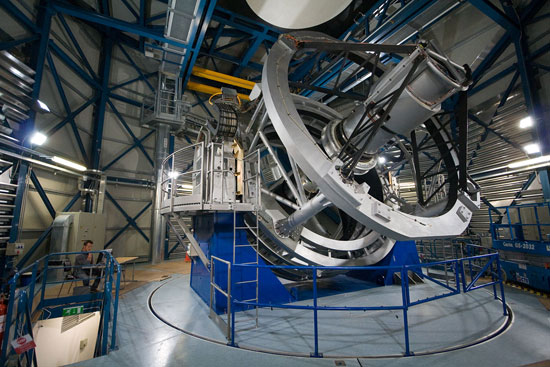
With its height, dry atmosphere, rarely recorded and quiet rainfall, the Atacama desert in northern Chile has been chosen by astronomers as a place to place some telesco…
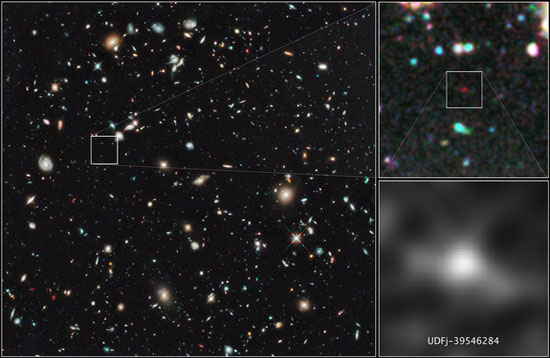
A group of international astronomers has just announced the discovery of the oldest galaxy formed from 13.55 billion years ago.
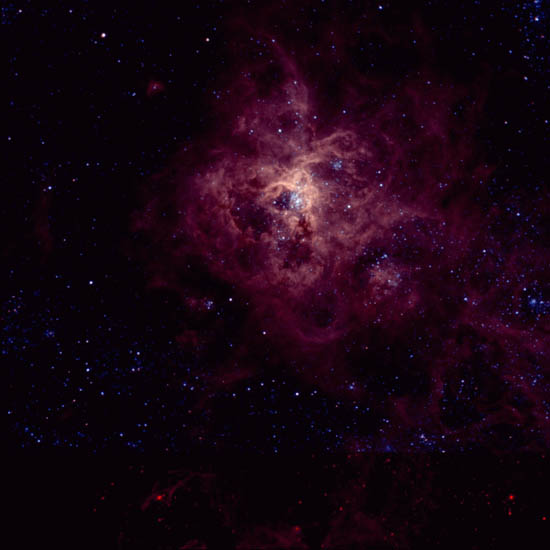
Scientists using the Hubble telescope captured the beautiful image of the Tarantula nebula from close range.
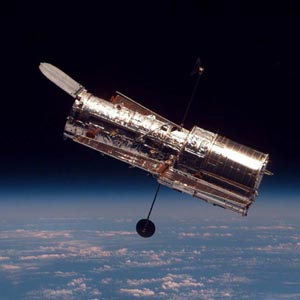
Hubble has discovered the galaxy that scientists believe to be the oldest and most remote ever discovered.
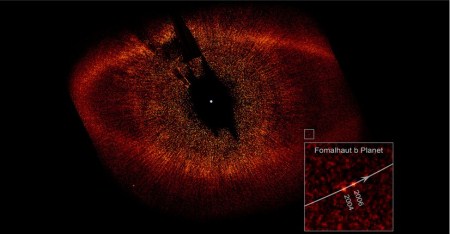
The last decade witnessed a leap in the way of conquering human space with important discoveries such as finding water on the Moon, detecting dark matter ...

The US Hubble telescope detected a super-hot blue star moving at speeds of up to 2.56 million km / h.

Artificial satellites such as the International Space Station and Hubble telescope can be damaged by a meteor shower next year.

On April 24, the Hubble Space Telescope, one of the most man-made space research tools, has been active for 20 years.

A study of several hundred thousand galaxies showed that the rate of expansion of the universe increased with time.

In 2014, James Webb Space Telescope will be launched into space, the great career succession of the Hubble Space Telescope has reached retirement age.

A series of new photos sent back to Earth by the Hubble Space Telescope showed the color of Pluto changing and the ice blocks on its surface moving.

Based on an image taken by the Hubble Space Telescope, scientists believe that collisions in the universe are no longer hypotheses.

American and international astronomers have discovered planetary systems forming in the universe, about 1,500 light-years from Earth.