
Medicine - Health
Scary illustration of the 9 most terrible psychological diseases in humans
Psychological illnesses are the most terrible diseases. They torment people day after day, while not receiving proper recognition from society.
Browse ScienceInfo articles and explainers related to Human.
6,757 published items.
Psychological illnesses are the most terrible diseases. They torment people day after day, while not receiving proper recognition from society.

According to research results published in Scientific Reports, the researchers explained why humans and many other organisms appear heart rhythms.
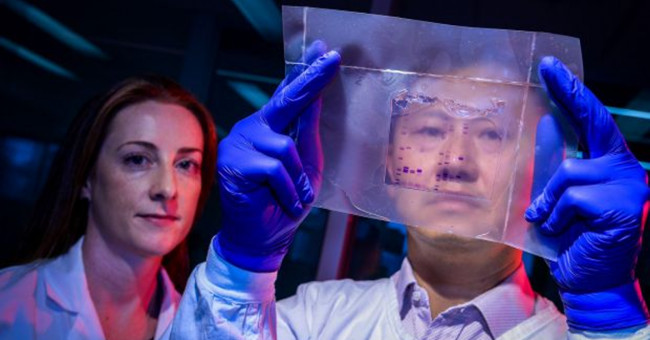
The human body can defend itself against HIV, scientists have discovered miracles, and exploiting this weapon will change the way we treat and prevent viruses.

The human body is a machine with an extremely complex structure and when these are

Noise pollution in urban areas is closely related to human hearing loss.
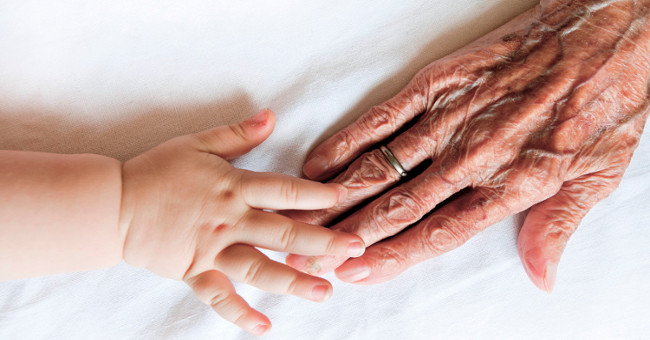
One study showed that the average age of homestays in many countries will increase by 2030, with places reaching over 90 years of age.

Fish and seafood are familiar and nutritious dishes for humans. However, you should be aware when using some types containing high levels of mercury.
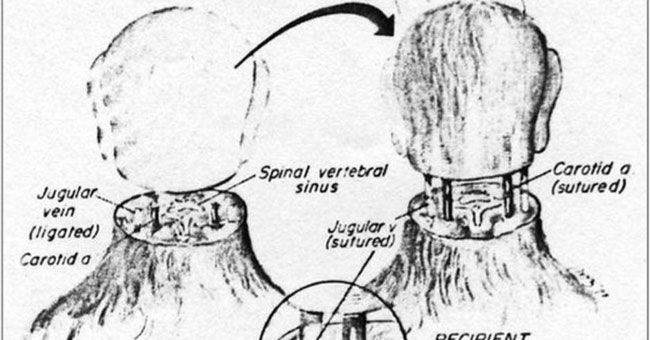
Valery Spiridonov, a 30-year-old Russian man, became the first person in the world to volunteer for a head transplant.

In the future, humans can eat meat but do not need to kill animals thanks to the technique of creating meat from stem cells.
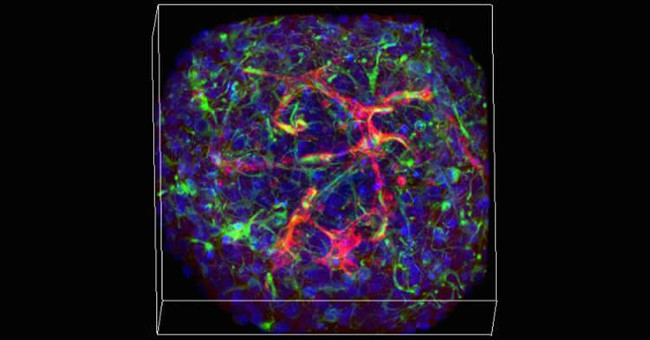
What a brilliant discovery for humans when artificial mini brains can produce blood vessels today
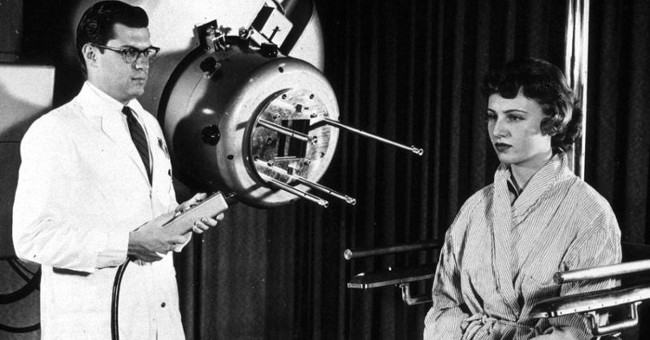
It must be said immediately that these are incurable diseases but are misunderstood both in origin and cause, greatly affecting the patients and the effectiveness of tre…
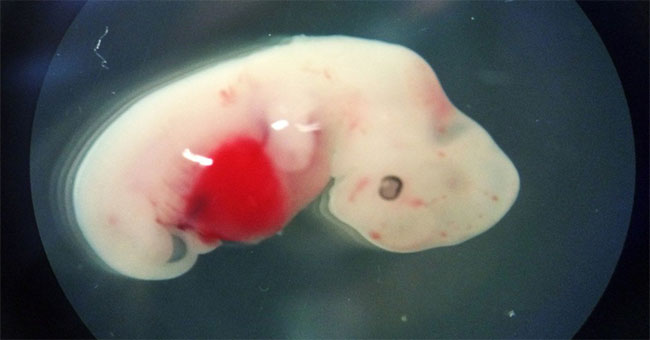
Scientists at the Salk Institute for Biological Studies in California, USA, stated: They have just had the first success in creating a creature that is half-human and ha…
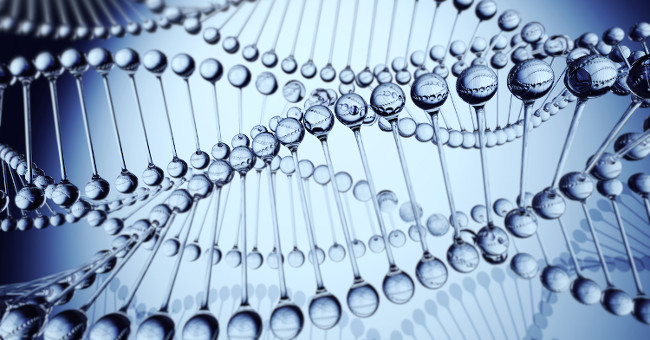
15 years of research and more than $ 2.7 billion are impressive numbers so that scientists can build the entire human genetic map.
The breakthrough development of 3D printing technology in medicine can bring hope to nearly 1.8 billion heart patients.