Biology
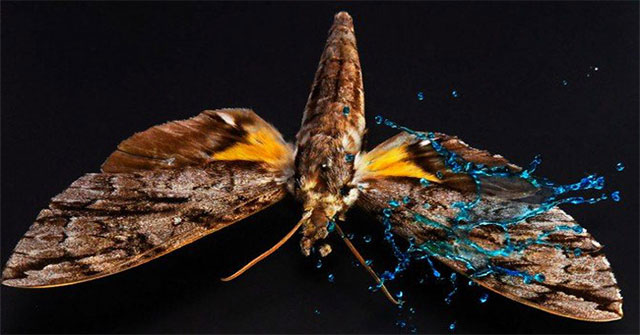
Rainy insects are like humans who 'eat' a whole bowling ball in their face, but why don't they die?
How do insects avoid raindrops bearing the shadow of death?
Browse ScienceInfo articles and explainers related to Human.
6,757 published items.
How do insects avoid raindrops bearing the shadow of death?

A recent study in mice and human tissue found that the HIV virus could lurk in the brain even when patients were being treated with antiviral therapy.
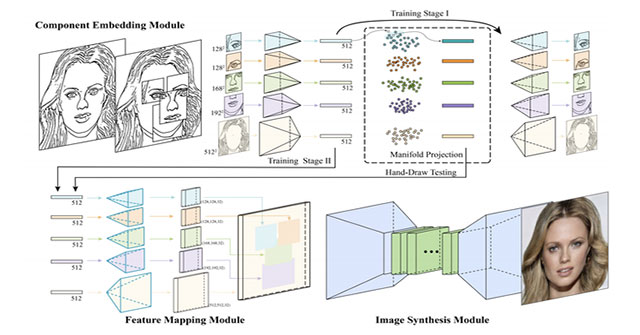
Using data from 17,000 faces on the Internet, scientists have taught AI to accurately detect faces thanks to basic brushstrokes.

This photo appeared a few years ago, but has been widely shared recently.

In a new study published in the journal Nature, the researchers said they could grow multi-layered skin tissue capable of growing hair, hair, sebum secretion and touch.

This battle is expected to take place in July next year.

The rich are still human. They also have daily routines, just that it's not like normal people. And maybe you do not know, the difference is not like what we imagine.

Humans have explored most places on the planet. And now, according to the researchers' calculations, only one fifth of the land without ice on Earth has not been affecte…

Elon Musk aims to send 100 people to Moon and Mars at the same time with a fully reusable Starship rocket and spacecraft model.
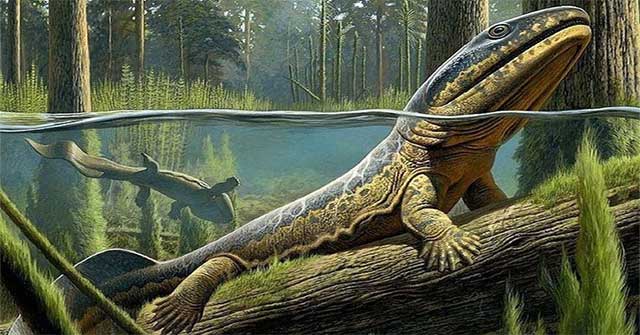
Why do we have fingers, what does the number of these fingers mean in terms of evolution?
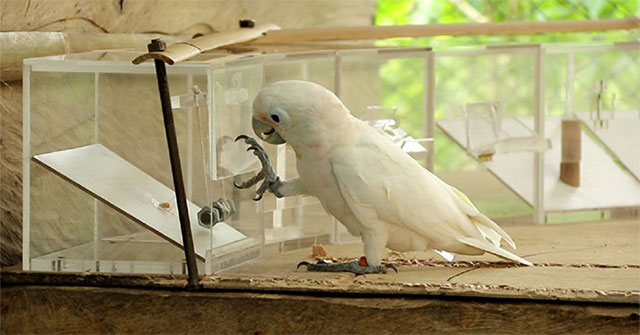
Recent research shows that animals will be smarter when staying with humans for longer. Not only that, they often come up with many creative ideas.

Dog's smell and hearing are very special, so they are very different about the world around us.

Human navel forms when the doctor cuts the umbilical cord. Depending on how the cut heals, we may have a protrusion or a navel.
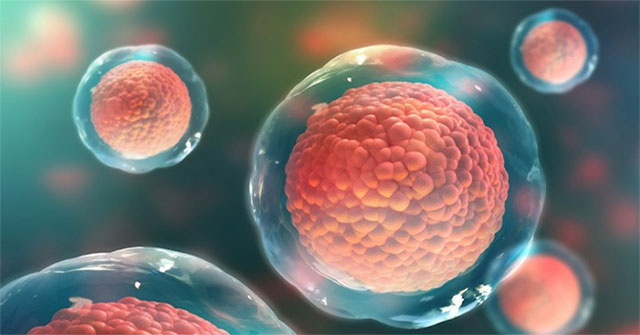
Scientists have been trying to find the answer to this question for a long time. The good news is that after years of research, we now have some idea of the mechanism…
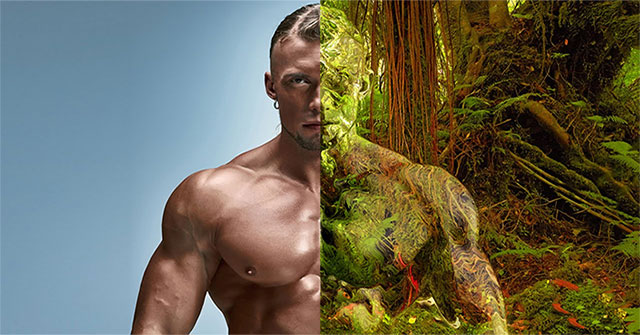
Researchers have successfully transferred the natural camouflage found in some species of squid, octopus ... into human cells.