Discover science
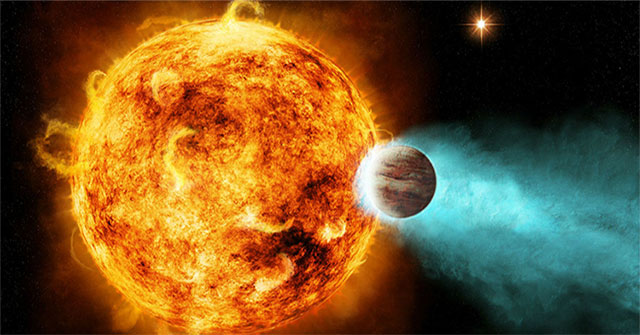
Discover the first 'super hot Neptune'
Humans have found a form of planet that has never been observed before and nicknamed 'Superhuman Neptune', according to Science News quoted expert James Jenkins as prese…
Browse ScienceInfo articles and explainers related to Human.
6,757 published items.
Humans have found a form of planet that has never been observed before and nicknamed 'Superhuman Neptune', according to Science News quoted expert James Jenkins as prese…

Many of us have been bitten or scratched by friendly cats while caressing them, even though a minute ago they were enjoying that 'happiness'.

In the next 30 years, high levels of CO2 in the atmosphere can lead to human deficiency of important nutrients, especially protein, iron and zinc.

Israeli scientists say the hormone Oxytocin plays an active role in normal social communication, supporting mothers during childbirth and breastfeeding, helping to contr…
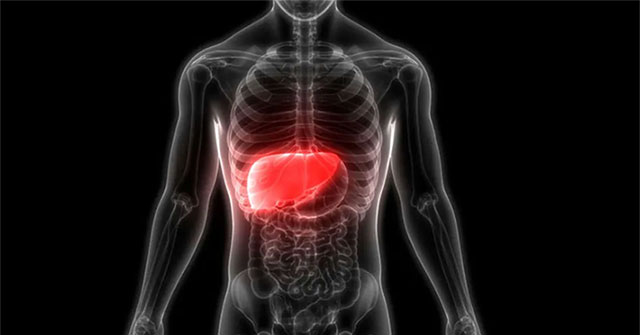
Scientists at King's University in the UK have discovered a type of cell that can regenerate liver tissue.

Scientists compared organic apples and regular apples and found that 'newly harvested' apples contained significantly more beneficial bacteria than regular apples.

From the appearance of a transformed face behind the skulls of some people until we are surprised to learn that our elbows are getting narrower, our skeletons are actual…
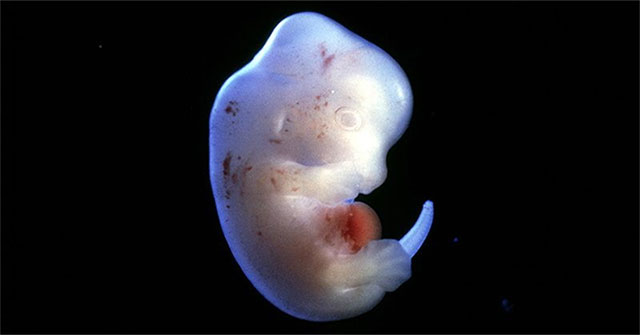
This experiment opens up a new future of abundant organ transplants, but moral issues are still controversial despite the Japanese government's permission.

Our ancestors began to have atherosclerosis and heart attack about two or three million years ago due to mutations in the gene that malaria is used to invade the human b…

3D printing has grown rapidly and become a technology that can produce anything from human body parts to bread.

There is a special area in the brain that makes many people feel frightened and have a bad aversion to real-life robots.

That's the prediction of scientist James Lovelock 10 years ago. He envisioned the end of humanity, leaving only a few couples surviving in the Arctic at the end of the 2…
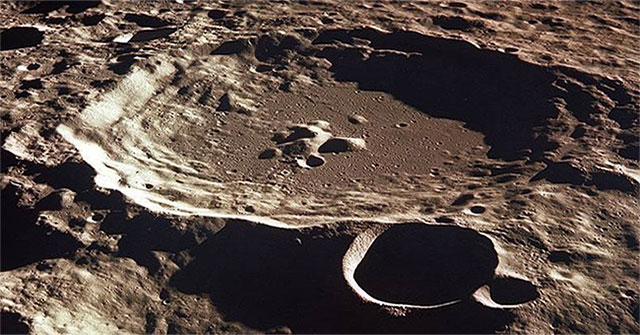
The new study believes that the amount of water the Moon holds is more than what people once imagined.
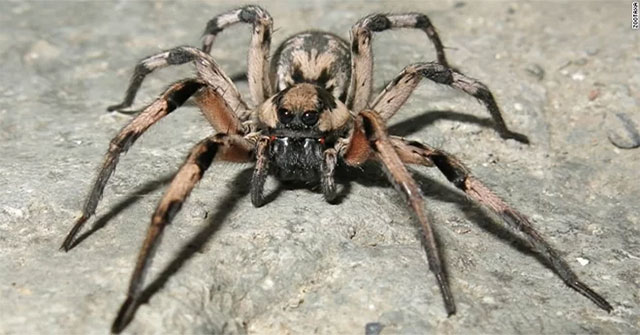
Spider venom has the ability to treat epilepsy and intestinal tract, and the wasp sting venom can inhibit cancer cell proliferation.
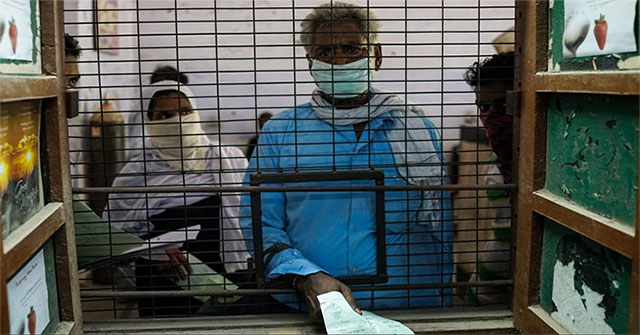
Israeli scientists have developed an algorithm based on data from the initial exposure of a bacterium to the human body's immune system, helping to predict tuberculosis.