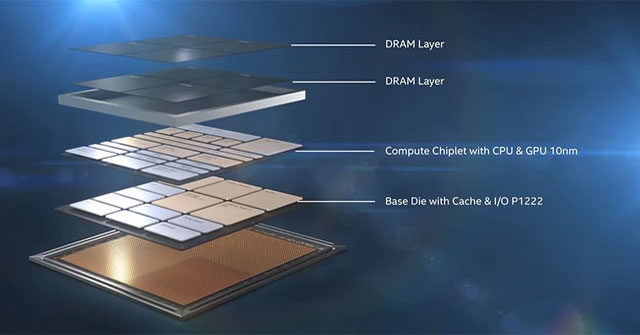
New technology
The era of microchips is coming to an end, prepare to welcome the era of super chips
For devices to continuously push the limits of performance, semiconductor engineers found a simple method: make the chips bigger and bigger.
Browse ScienceInfo articles and explainers related to IPS.
1,703 published items.
For devices to continuously push the limits of performance, semiconductor engineers found a simple method: make the chips bigger and bigger.

If today's most powerful supercomputers need 9,000 years to solve this problem, light quantum chips only need a few millionths of a second.
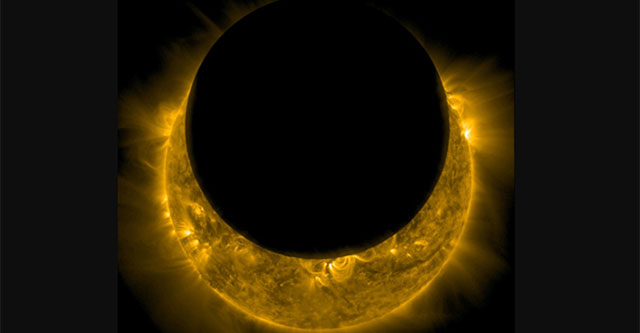
NASA's Solar Dynamics Observatory captured the moment the Moon passed in front of the Sun on June 29.

Many times seafarers encounter the phenomenon of giant ships floating in the air, but this is only an optical illusion.
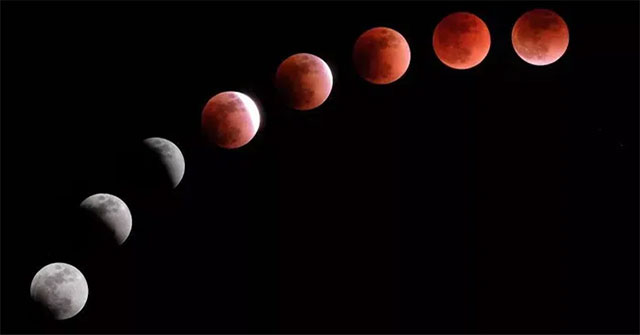
You can watch a lunar eclipse that causes the Flowering Moon to turn red on May 15 or May 16, depending on your location.

Cleaning up broken glass requires you to be very careful. And to be thorough enough, sometimes you need to be resourceful. You may want to consider other methods than us…

Here are 10 daily tips that can make your life simpler, more creative and interesting, let's explore.

Human spaceships are not the first victims of undead monsters. They still often smuggle tickets to other Earth creatures when they need to travel far.

New research shows that using honey to create a memristor - a component similar to a transistor, can not only process but also store data in a computer chip.

When traveling to India, the first thing you need to keep in mind is to learn about their culture and traditions. Learn how to greet, behave, eat appropriately

The Danish company plans to install offshore charging stations for ships to use instead of oil, helping to reduce carbon emissions.
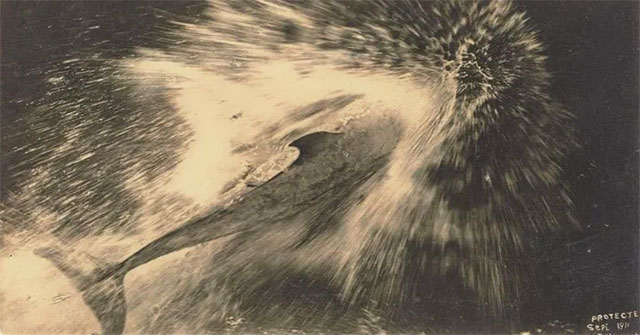
New Zealand became the first country in the world to grant legal protection to a sea creature and the dolphin Pelorus Jack.
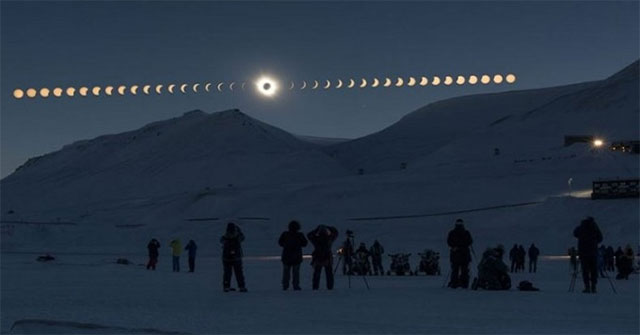
NASA said this year's only total solar eclipse will take place on December 4, but the entire event can only be observed from the South Pole.
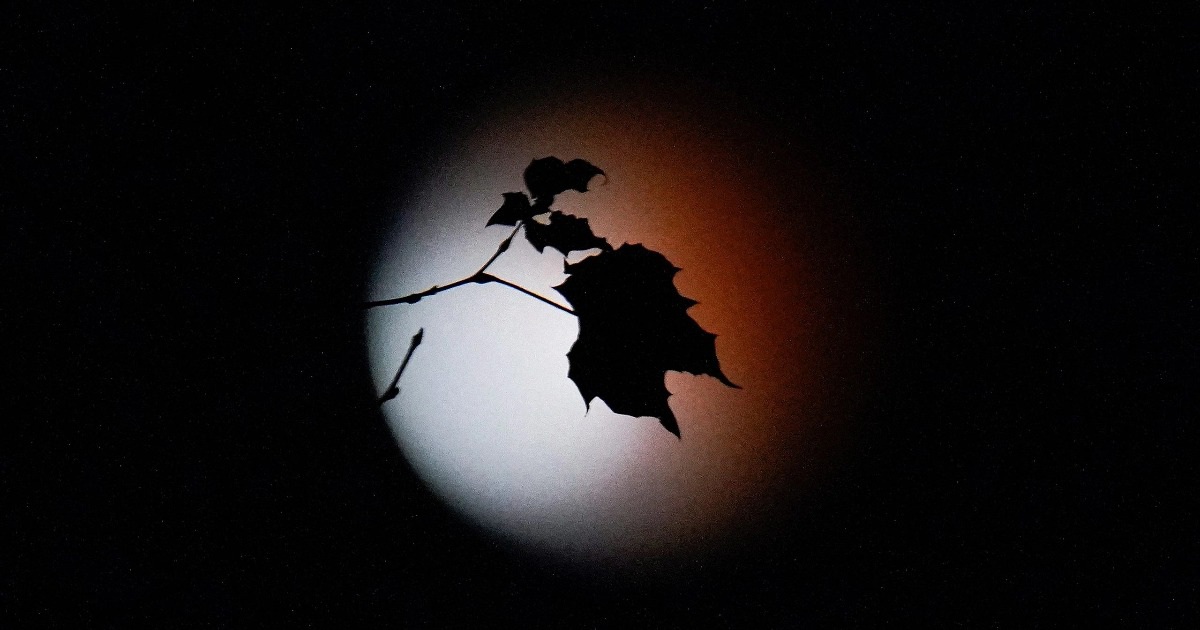
Yesterday, the Moon turned blood red during a partial eclipse, but in some places it disappeared in the fanciful night, making observers excited.
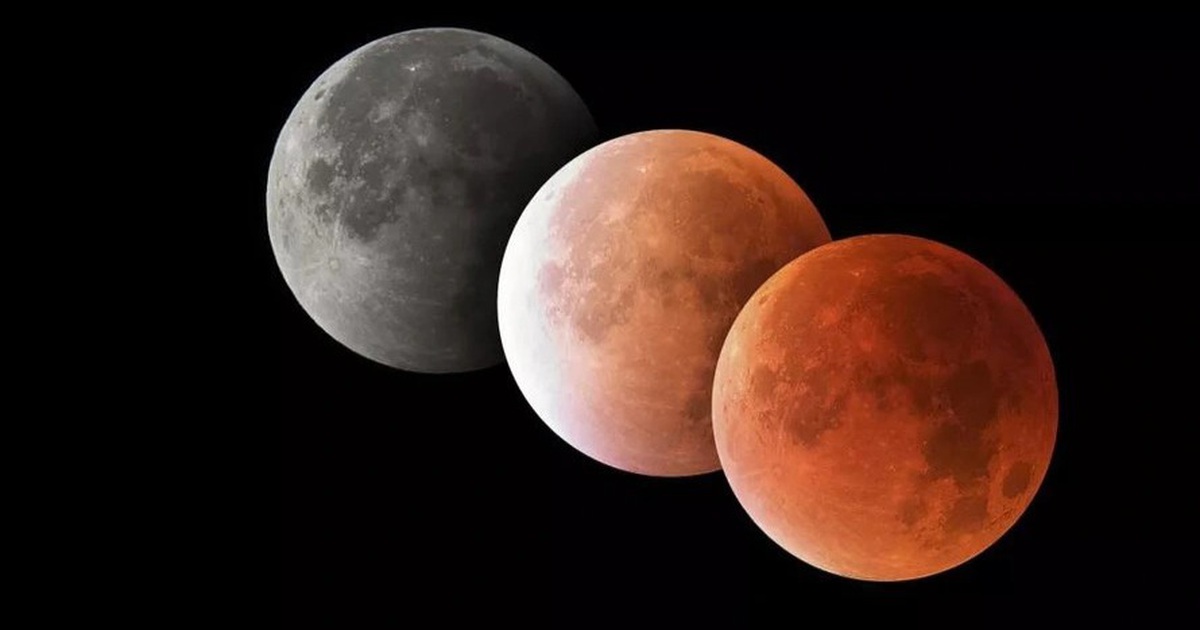
The longest partial lunar eclipse of the century will take place on November 19. According to NASA, this eclipse will last 3 hours and 23 minutes, longer than any lunar…