Space science
Scientists confirm that ice exists on the Moon
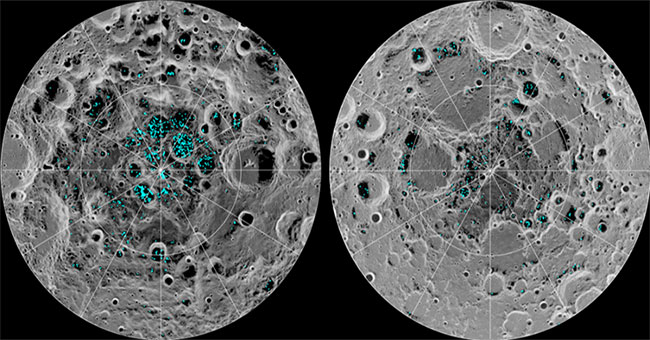
NASA's image spectrum device first detected ice inside the craters at the poles of the Moon.
Browse ScienceInfo articles and explainers related to Ice.
1,605 published items.
NASA's image spectrum device first detected ice inside the craters at the poles of the Moon.
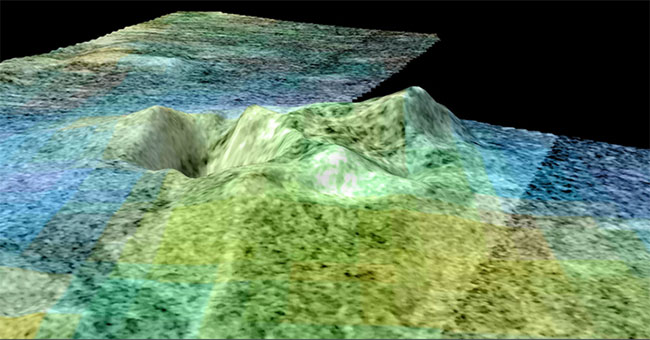
The study has just published in the Astrobiology scientific journal of the US scientists group of many units, using data that Cassini research spacecraft.
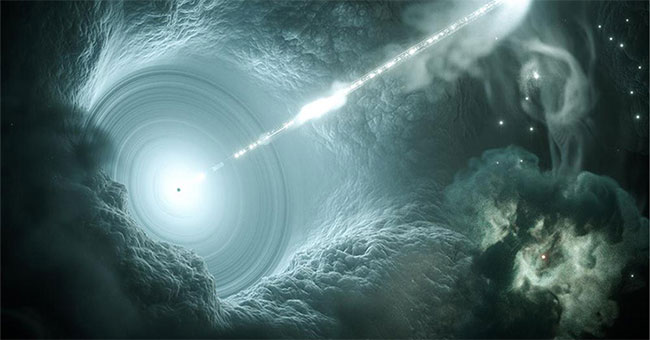
Neutrinos are subatomic particles with almost no electrical charge, so it rarely interacts with the surrounding environment.
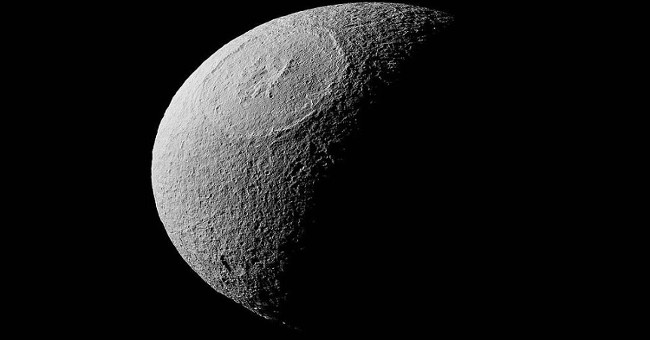
Scientists believe that this crater shows below the thick ice is a melting fireball.
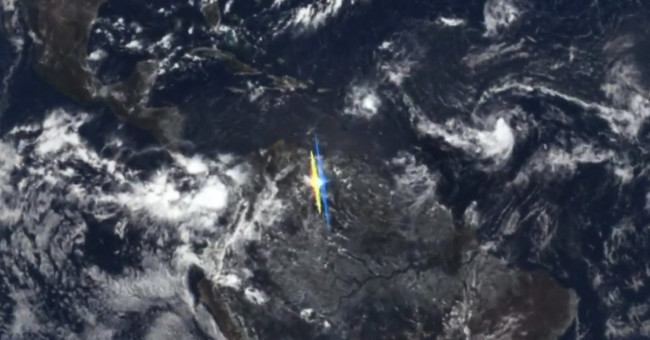
Initially, the researchers assumed that it could be sunlight reflected by water. However, the beam is too large to reflect from lakes or other water bodies.
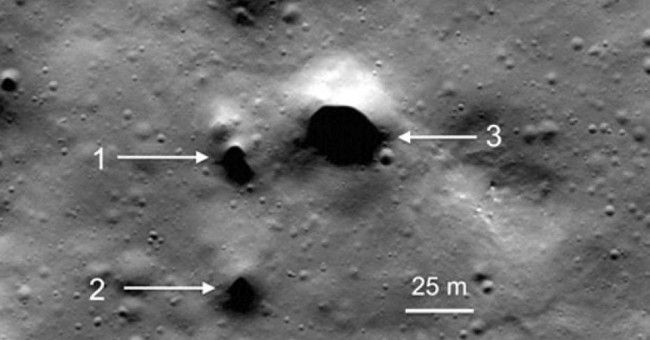
The latest information was sent by NASA's Lunar Reconnaissance Orbiter, a network of lava tubes beneath the moon's surface.
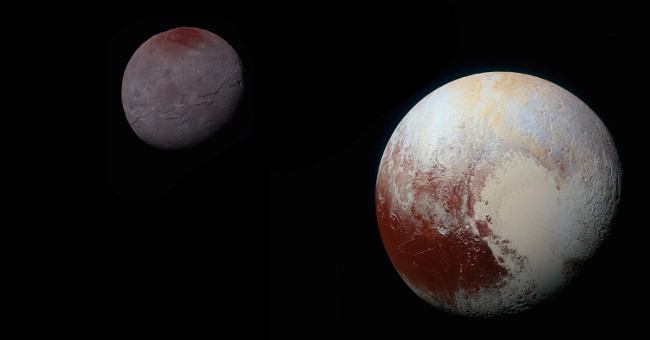
According to NASA, many other stars in the solar system like the King of Kings and Pluto ... can hide under its ice, oceans containing extraterrestrial life.
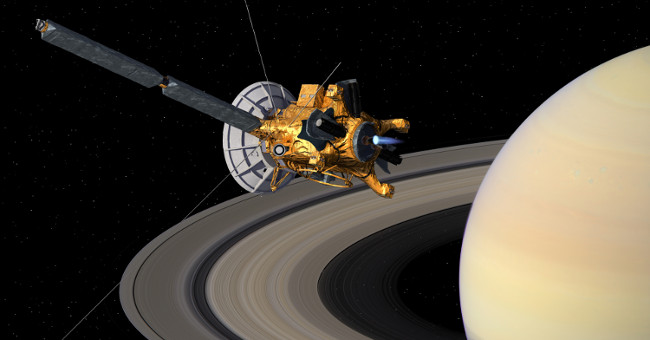
After debuting in 1997 and approaching the Saturn system in 2004, Cassini spent 13 years exploring the planet and its moons.
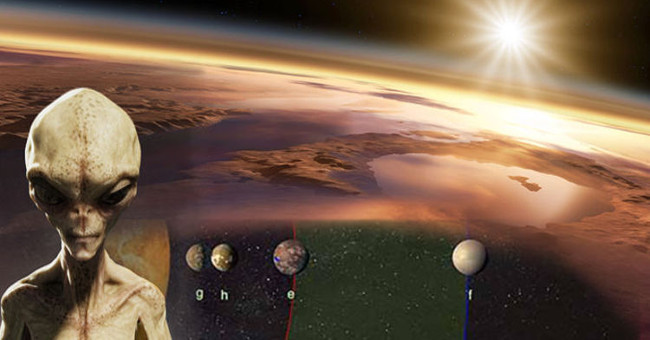
The reason people can't contact aliens may be because they live on the seabed, on distant planets.
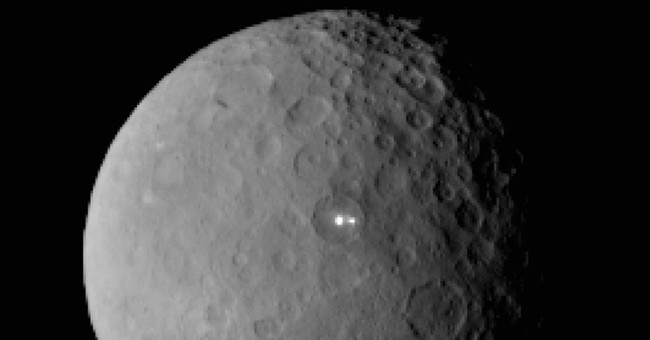
This dwarf planet was discovered by Giuseppe Piazzi on January 1, 1801 and named after the Greek goddess Ceres.
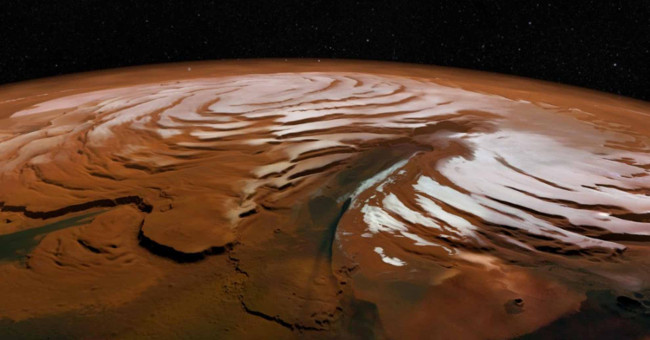
This finding shows that there are still many mysteries about the Martian climate that humans do not know.
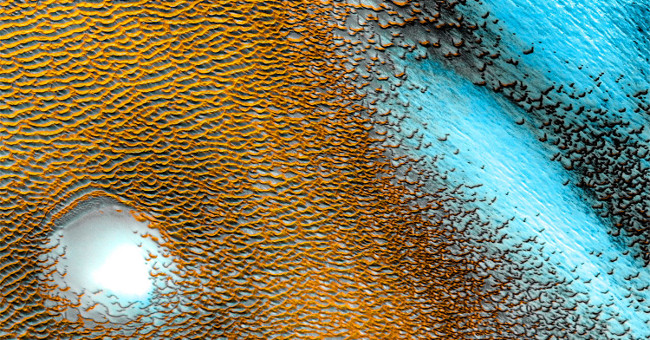
This result reinforces the belief in cosmologists in the journey to find water and life on Mars.
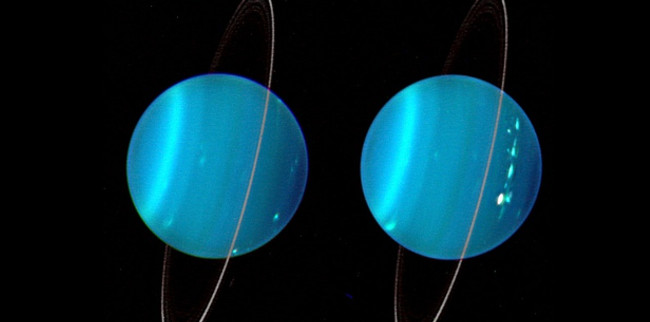
Uranus has a self-rotating axis that is almost parallel to the orbital plane and moves very slowly around the Sun.
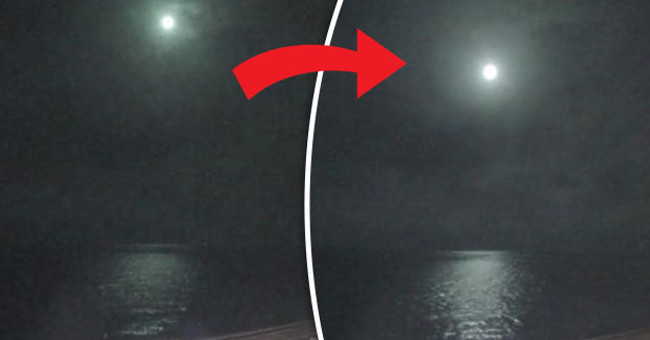
The image of star ice burns brighter than the Moon entering the webcam lens off Devon, England.
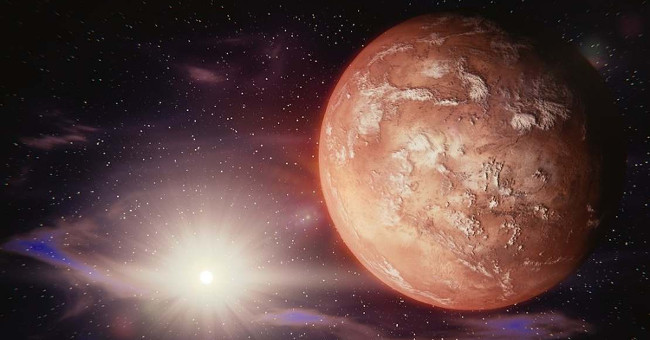
Russian scientists believe that the Martian polar ice could be heated to produce greenhouse gases, increase surface temperatures and living conditions on Mars.