Biology
Ancient moss revival after 1,500 years of sleep
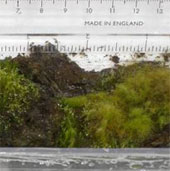
Scientists have successfully resurrected ancient mosses buried in Antarctic ice sheets for more than 1,500 years.
Browse ScienceInfo articles and explainers related to Ice.
1,605 published items.
Scientists have successfully resurrected ancient mosses buried in Antarctic ice sheets for more than 1,500 years.
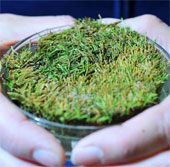
After four centuries of immobile nature in a refrigerator, ancient plants once again awakened thanks to the work of Canadian experts.
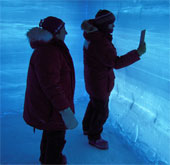
This aphid species was first discovered in 1960, which is evidence of the impact of climate change, when the temperature is warmer.
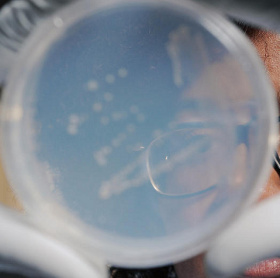
Organisms in the atmosphere: Important microbial populations are found in the middle and convection layers.
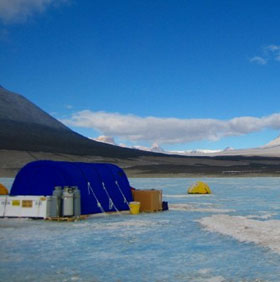
Scientists have recently discovered that ancient bacteria live beneath the icy surface of the Antarctic lake
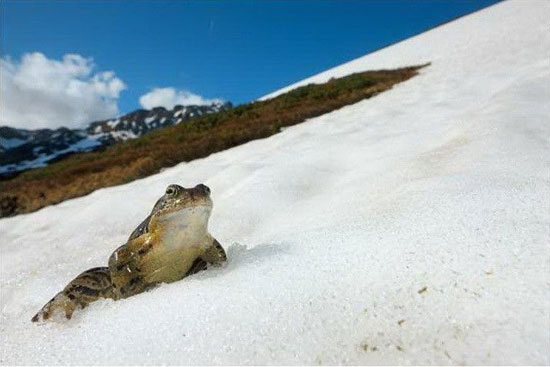
Above the altitude of 1.800m, the Alps exist a unique lake. This is the home of hundreds of frogs Rana, one of the rare creatures living on this altitude, in glacial lak…

Buried under ice on Greenland for 120 millennia, a species of bacteria has risen after scientists found them.

Recently, Dr. Brent Christner found evidence of rain-producing bacteria that are widely distributed in the atmosphere.

Without leaving the ground, bacteria can still produce rain if the chemicals they release into the air reach the locations of the clouds.

An international team of researchers extracted large amounts of DNA from the feathers of two permanently preserved mammoths in Siberia.

The climate changes the Ice Age and the ancient flood, not the barrier barriers, may have pushed the evolution of new insects appeared in the Amazon jungle region of Sou…
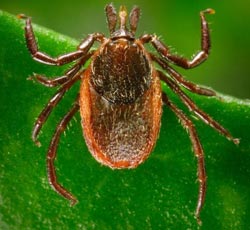
Researchers at the University of Bath have recently discovered a bacterium that causes Lyme disease originating in Europe, not North America, as previously thought.
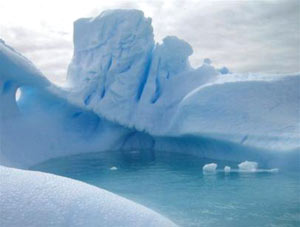
Antarctica used to be home to many microorganisms for tens of millions of years ago, according to a new conclusion published last week by the British Antarctic Survey Gr…

Researchers have just recorded a new record: the frozen bacteria for 8 million years ... have been revived.
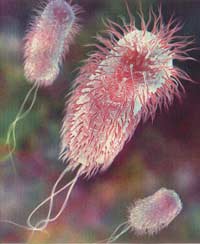
The two most common bacteria - E-coli and Shewanella Oneidensis (SO) have surprised scientists, because they can survive under a test pressure greater than 17,000 times…