Scientific application
Japan is about to exploit gas from
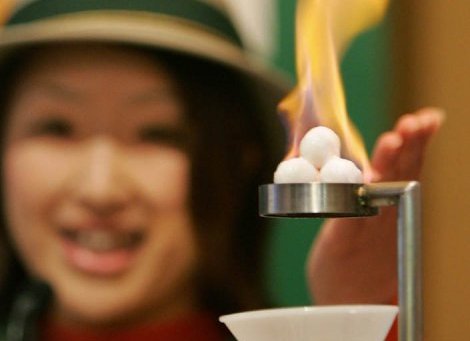
Japan seeks to extract gas from the sediment of methane hydrate beneath the seabed, also known as ice flames. This trial will be conducted in southwestern Tokyo, between…
Browse ScienceInfo articles and explainers related to Ice.
1,605 published items.
Japan seeks to extract gas from the sediment of methane hydrate beneath the seabed, also known as ice flames. This trial will be conducted in southwestern Tokyo, between…

More than half of the water is used for agricultural activities and the daily life of people in California, USA is provided by the currents in the Sierra ridges covered…

Associate Professor-Ph.D Vo Chi Chinh - lecturer of Polytechnic University (Da Nang University), had the idea of taking advantage of natural flow to produce ice.
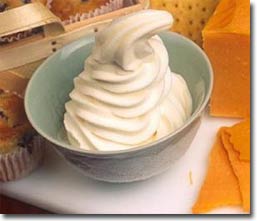
A scientist in Wisconsin has discovered an edible, tasteless antifreeze that will prevent the formation of ice crystals that can destroy the soft and smooth texture of i…

Getting ideas from the Arctic beetle can eliminate the problem of frozen burns.
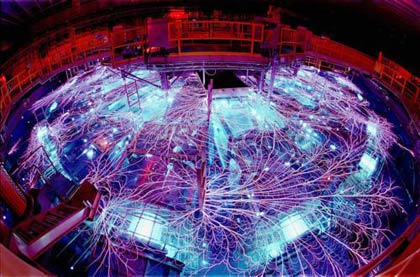
Turning water into ice in just a few nanoseconds (1 nanosecond = 1 millionth of a second) is not a big deal compared to experimenting with ice making
Many housewives wondered that their refrigerators ran very well, but the ice cubes were very fast. Both aluminum and plastic trays are broken or stuck with stainless ste…
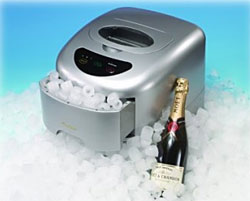
To boil water, we put the kettle on top of the fire, not set next to the fire. So, how to cool an object with ice? Due to the habit, many people put things on ice
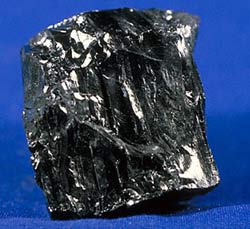
At industrial kilns, people clean coal smoke, then use alkaline to remove CO2. After that, they heated to separate the gas from the alkaline solution, then compressed un…
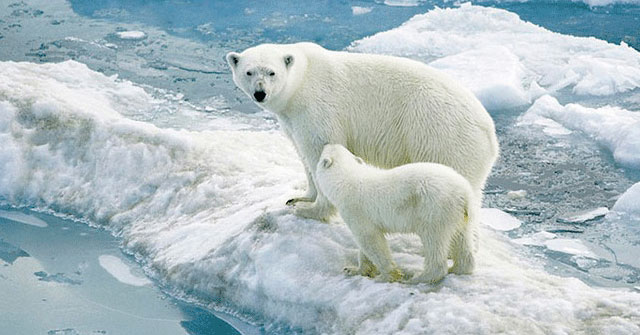
The two polar regions of the Earth, where the climate is always cold, but Antarctica and the Arctic contain many different things.
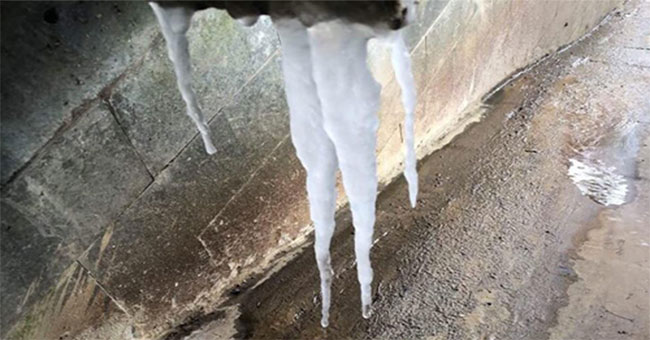
Temperatures in Fansipan peak (Sa Pa, Lao Cai) below 0 cause condensation to form ice

The giant iceberg was named B-46 by scientists, covering an area of 225km2, larger than the Manhattan (New York, USA) area, estimated by the US National Ice Center.
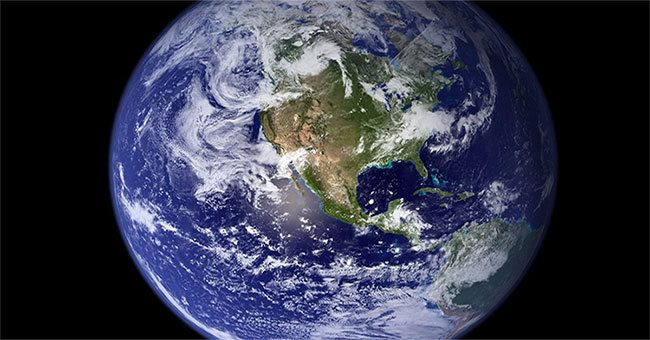
The warning was made by the United Nations Intergovernmental Panel on Climate Change (IPCC) in a report published October 8.
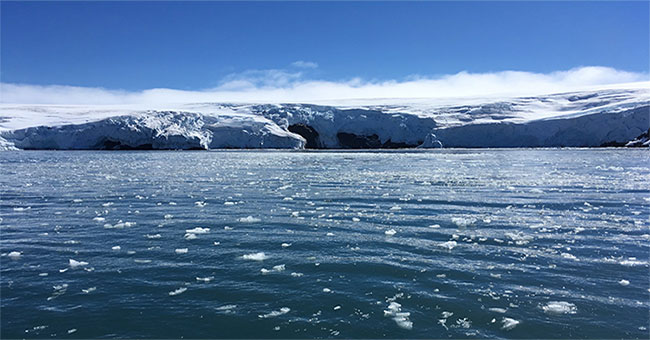
A large area of ice, about 300 km2, is cracked and threatens to separate from the base of the Pine Island in Antarctica.
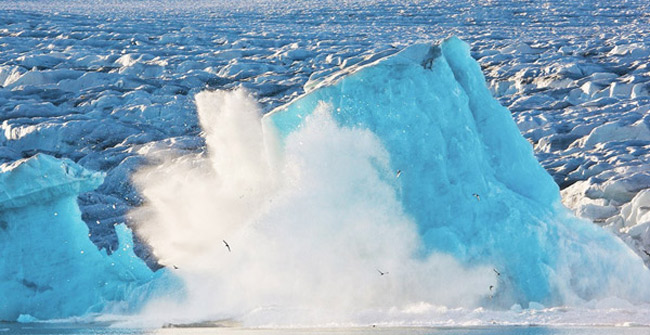
Greenland's ice shelves are constantly shattered over time, a sign that climate change is having a negative impact on the ocean, causing sea levels to rise rapidly.