
Environment
Giant iceberg shattered
Due to the warm waters, giant icebergs towards Australia have split into hundreds of smaller platforms.
Browse ScienceInfo articles and explainers related to Ice.
1,605 published items.
Due to the warm waters, giant icebergs towards Australia have split into hundreds of smaller platforms.


A great river from ancient times caused the displacement of England from France.

According to a recent study by scientists at Ohio University (USA), Kilimanjaro snow will disappear within two decades, due to global warming.

Australian scientists were stunned to find a giant iceberg drifting wandering the waters of the country.

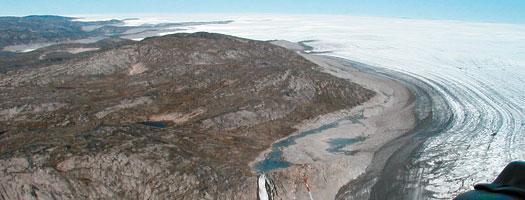
According to scientists' conclusions, if Greenland's massive ice sheets melted due to global warming, Earth's sea level would rise by 7cm.
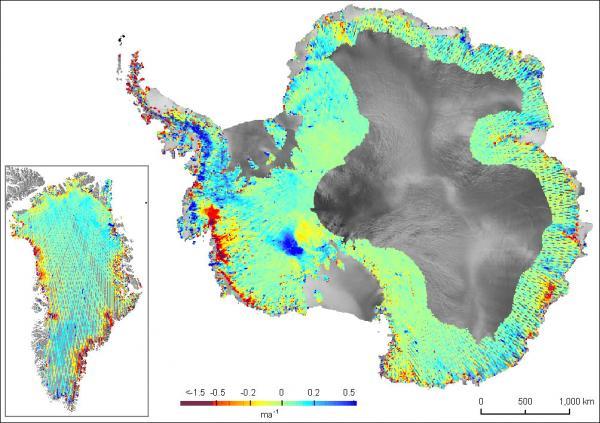
Recently, space satellites have provided scientists with the most comprehensive picture of rapidly moving glaciers along the Antarctic and Greenland coasts.
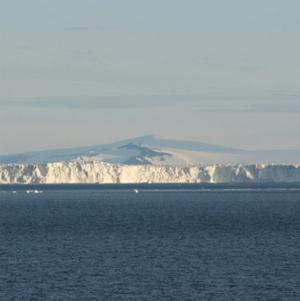
Scientists say the huge glacier in Antarctica is getting thinner and thinner. Glaciers around Pine Island in the West Antarctica are twice the size of Scotland, which is…
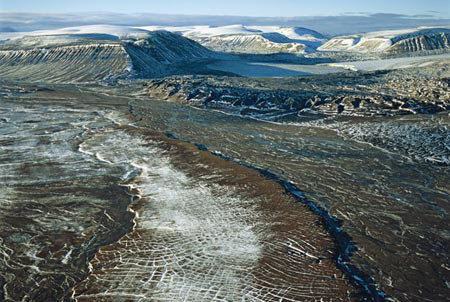
If the frozen soil melted completely due to climate change, trillions of tons of carbon would be released into the air, causing the earth's temperature to rise much fast…
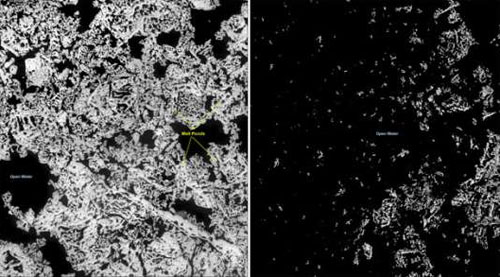
The US Geological Survey (USGS) recently revealed images that reflect global climate change that have a detrimental impact on the Arctic region.
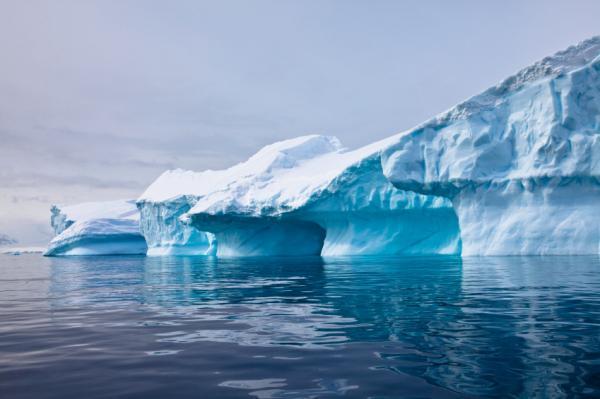
A recent study said that, while all or part of the western Antarctic ice sheet melted due to global warming, the sea level in the US coastal areas would rise by 25%. The…
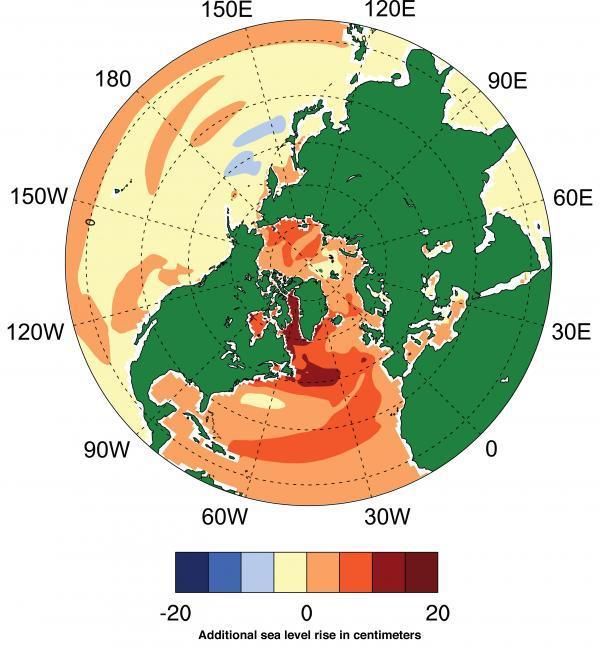
The thawing of Greenland in this century will push more seawater toward the threatened coastline of New York, Boston, Halifax and other cities of the Northeast United St…

An area of about 700 square kilometers in the southernmost part of the earth has crumbled into ice sheets.
Methane sediments do not contribute to climate change? It is methane itself from the swamp that warms the Earth.

British scientists recently claimed to have identified the origin of the dust that lies in the ice blocks at the Antarctic arc.