Environment
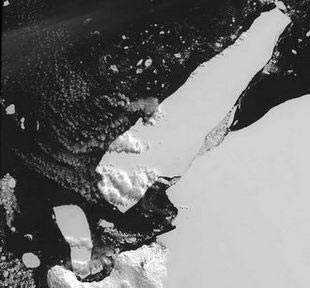
The world's largest iceberg is broken by a storm
At the end of October 2005, Earth's largest once-known iceberg was broken off Cape Adare in Antarctica. According to a study published in Geophysical Research Letters, s…
Browse ScienceInfo articles and explainers related to Ice.
1,605 published items.
At the end of October 2005, Earth's largest once-known iceberg was broken off Cape Adare in Antarctica. According to a study published in Geophysical Research Letters, s…
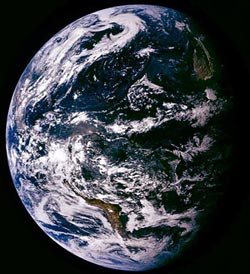
Despite impressive impressions proving the level of ice melting in the Arctic Ocean published, astronomers in Saint-Petesbourg (Russia) claim that in the next few decade…
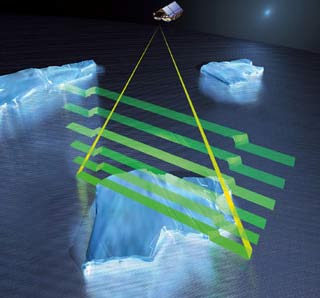
Increasing global temperatures are leading to the melting of northern European ice faster than expected, while the Groenland ice sheet is in danger of disappearing, acco…
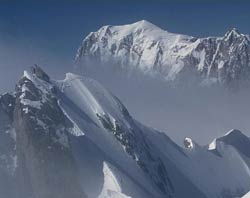
By the end of the century if summer air temperatures rise by 30C, Europe's largest Alps - ice across seven countries including Austria, Slovenia, Italy, Switzerland, Lie…
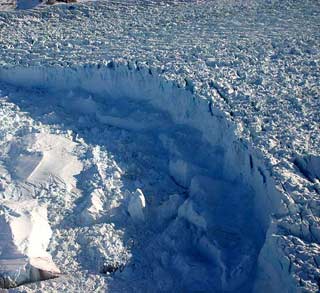
Satellite measurements indicate the melting of the ice sheet in Greenland Island is happening at a very fast rate. According to data from the Satellite of the US Space A…
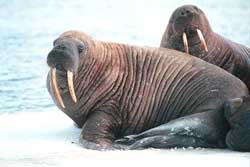
According to a study published in April by the Journal of Aquatic Animals, scientists in the Arctic discovered the death of newly born walruses due to warming temperatur…

The Arctic snowy ice area is probably the only place on Earth that is contaminated with agents not caused by humans but by ... sea birds, especially Arctic seagulls.
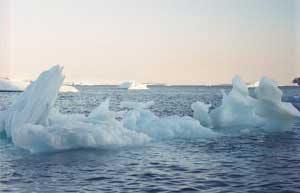
According to a study by two international research groups published in the Journal of Science yesterday, sea level rise is much faster than previously predicted.
Small amounts of salt and dust kept in the Antarctic ice sheets over the past 740,000 years have uncovered new signs of Earth's climate changes. The results were publish…
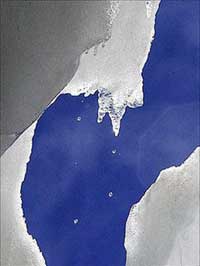
In Science magazine on March 31, Dr. John Turner of the British Antarctic Research Institute said that the air temperature in Antarctica has increased three times faster…
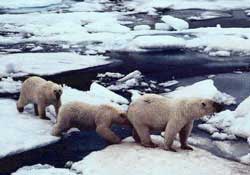
An international study by 120 scientists from 11 countries concluded that warming in the Arctic cannot be avoided and needs to be adapted to this.
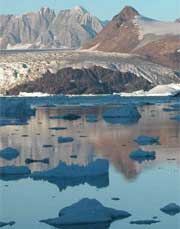
Glacial rivers on the island of Gleenland - from the last ice age still slowly drifted into the sea - began to accelerate. Some rivers are rising to sea at 14 km per yea…
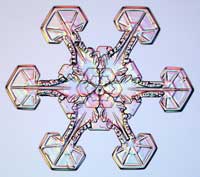
It's no different from ice, but snowflakes are made up of very complex shapes. A single ice crystal is called a snow crystal. One or more such crystals crystallize toget…
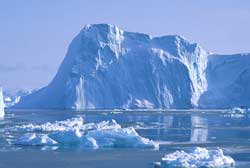
Increasing greenhouse gas emissions can cause more serious harm than people think, a new scientific report warns. The report was published by the British government, say…
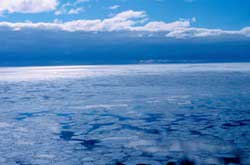
Global warming could melt most of the ice above the Arctic perennial ice before the end of the century, a prediction by a research group at the Institute of Climate Rese…