Environment
Major environmental events in 2005
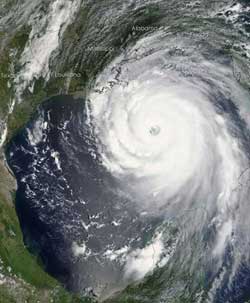
Natural disasters are the main environmental theme in 2005, a year marked by the devastating tropical storms of the North Atlantic Ocean and a series of large-scale eart…
Browse ScienceInfo articles and explainers related to Ice.
1,605 published items.
Natural disasters are the main environmental theme in 2005, a year marked by the devastating tropical storms of the North Atlantic Ocean and a series of large-scale eart…
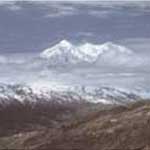
According to studies conducted by French and Bolivian scientists, the ice sheets on the Mount Estonian do not store data like those found in Antarctic ice sheets. The co…
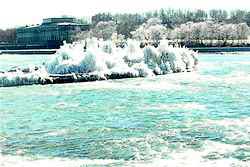
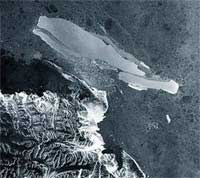
On January 5, in the Atlantic Ocean of Argentina, two large icebergs appeared. These two ice sheets move at 2 km / h and are heading north. This is a strange phenomenon…
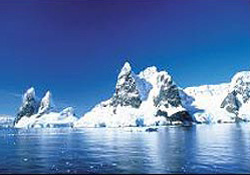
On the occasion of the International Conference on Climate in Monreal (Canada), Arctic is the most impacted area of global warming. It is predicted that within 100 yea…
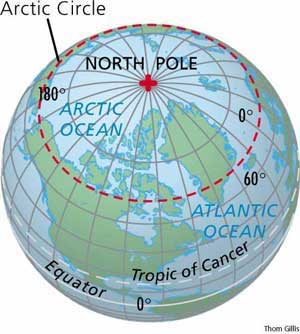
Life is harsh on the frozen Harstad territory of the Arctic Circle where Anna Prakhova is living. However, life can be much tougher when snow no longer falls.
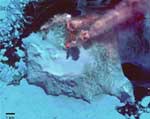
The territories of British overseas are expanding. According to researchers from the British Antarctic Survey Association (BAS), volcanoes erupting on the island of Mont…
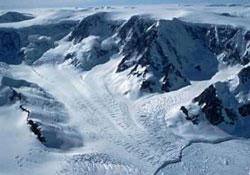
According to a study by German experts, the formation and growth of the Antarctic ice sheet, more than 14 million years ago, was due to the low carbon in space and the g…
The total amount of greenhouse gases emitted to the sky will increase by 52% by 2030, unless the world takes immediate measures to reduce energy consumption, a study has…
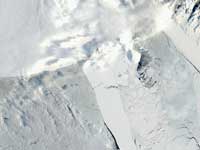
Researchers have said that over the weekend, an iceberg of the size of Maui island in Hawaii was broken into three pieces in the cold South Pole.
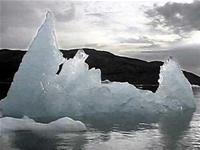
European and American scientists are concerned that the melting of Greenland and Antarctica will make the ocean levels rise faster than expected.
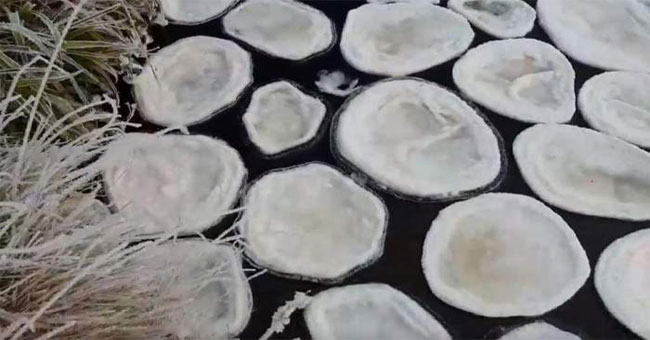
Amateur photographer Daniel Norrie, 31, has captured a unique image on the Helmsdale River area in Scotland.
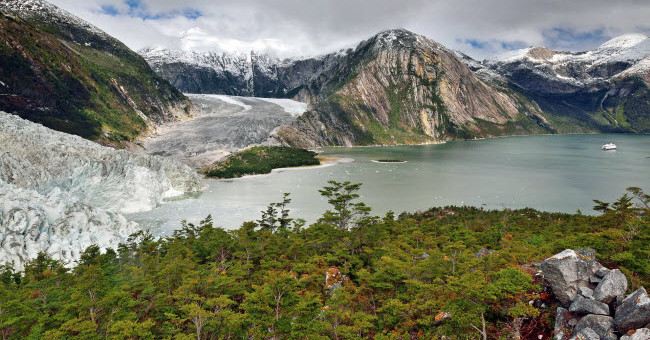
Patagonia is located between Argentina and Chile in the southernmost of South America. This place is considered to be the end of the Earth.
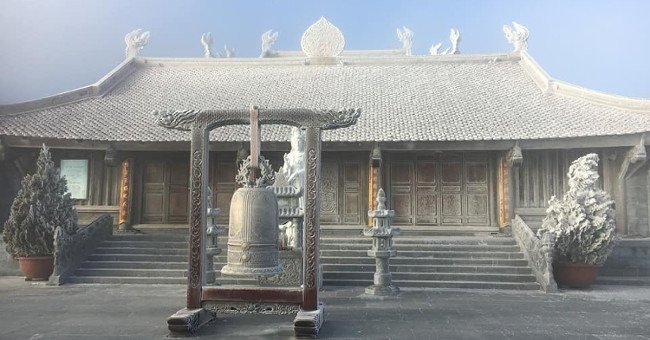
The lowest temperature in the North from the beginning of the winter made the layer of snow and snow thick and clear over Fansipan peak from last night to this morning.
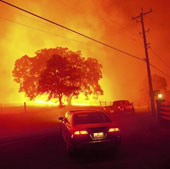
Climate change is accompanied by global warming that causes glaciers to melt, flood and sweep everywhere, polluting the atmosphere and water resources in many parts of t…
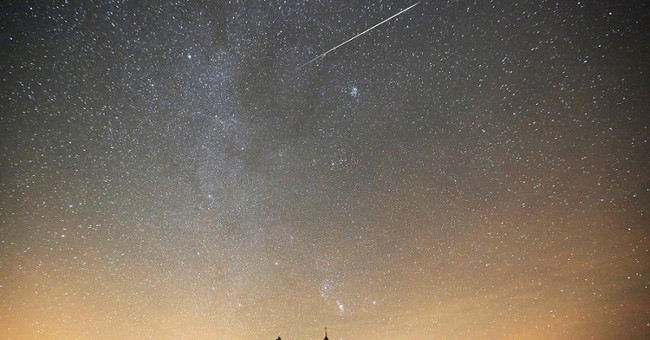
Astronomers all over the world record spectacular scenes when Geminid meteor shower peaks on December 13-14.