
Environment
El Nino may stop working in the middle of this year
El Nino weather phenomenon peaked in late 2009 but continued to have a strong impact on global weather before ending in mid-2010.
Browse ScienceInfo articles and explainers related to Impact.
650 published items.
El Nino weather phenomenon peaked in late 2009 but continued to have a strong impact on global weather before ending in mid-2010.

Chinese officials say more than 50 million people in the country are suffering from the worst impact of the worst drought in a century.

On April 1, the World Health Organization (WHO) published scientific evidence showing that climate change has had adverse impacts on human health.

New Zealand and Australian scientists will conduct a survey of Antarctic whales to study the impact of climate change on this mammal.

In the past 30 years, the sea level in the coastal city of Shanghai has risen 115mm, higher than other sea areas in China 90mm.

Rural sanitation, especially rural waste is becoming increasingly urgent ...
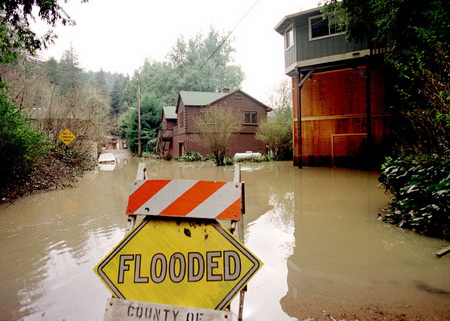
According to the Ministry of Natural Resources and Environment, due to the impact of El Nino, this year Vietnam will have a relatively warm winter, accompanied by a drou…

Light pollution refers to inefficient use of artificial light, causing adverse impacts on the economy, environment and health.
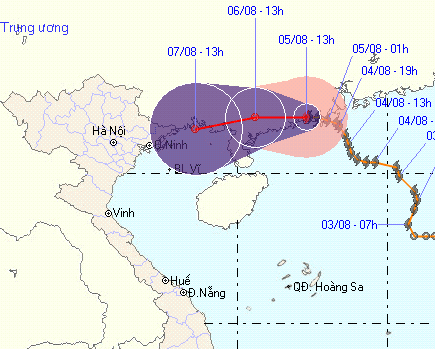
Due to the impact of the 12th strong storm off the Pacific, hurricane 6 moved more slowly than expected.

Most people in an Australian town voted in favor of the ban on bottled water sales yesterday, fearing their negative impact on the environment.
Coastal ecosystems around the world are threatened by the impact of human activities ...

According to the most comprehensive study of the effects of greenhouse effect, global warming each year kills about 300,000 people.

Climate change impacts not only the environment but also the greatest threat, threatening the health of billions of people in the 21st century.

Air pollution helps plants absorb more CO2, thus reducing the impact of the greenhouse effect.

The animals that feed on the bottom of continuous water sources release nitrous oxide (N2O), a gas that can increase the temperature of the earth.