
Oceanography
How Does a Coral Reef Ecosystem Work?
A coral reef ecosystem is a network of corals, algae, fishes, invertebrates, microbes and physical processes that recycle energy and nutrients in nutrient-poor tropical…
Browse ScienceInfo articles and explainers related to Invertebrate.
62 published items.
A coral reef ecosystem is a network of corals, algae, fishes, invertebrates, microbes and physical processes that recycle energy and nutrients in nutrient-poor tropical…
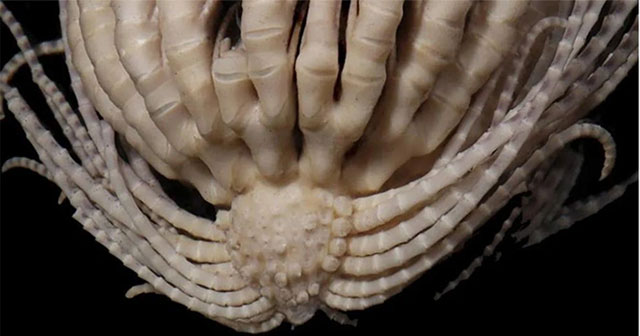
Scientists on a research ship near Antarctica discovered a new creature with 20 arms.
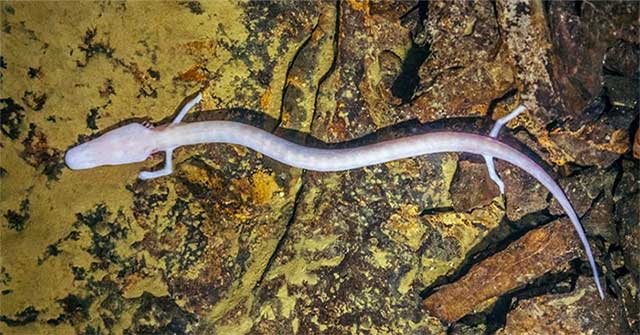
This little creature can live up to 100 years without eating too many times. What's the secret?
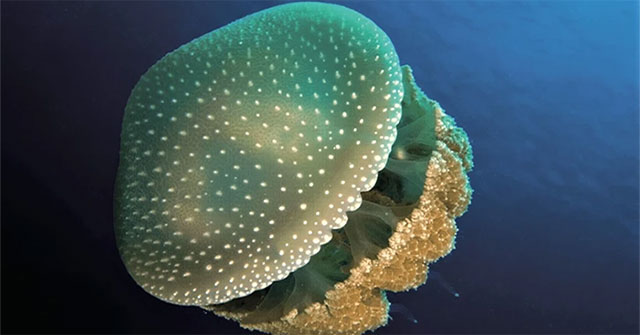
Professor John Woinarski said that despite their extremely important role in the environment, invertebrates have not received the same conservation attention as other sp…
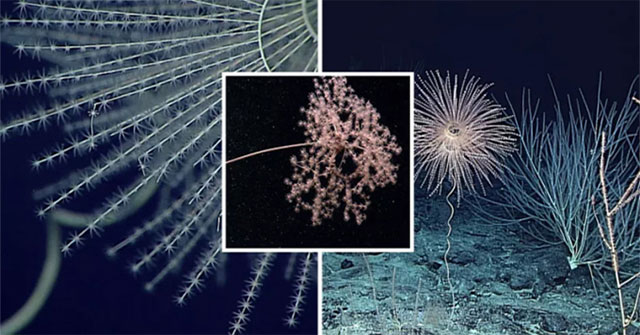
Bioluminescence, the ability of organisms to produce light through chemical reactions, may have appeared 540 million years ago in deep-sea corals.

Recently, scientists discovered the protein and process behind how bloodworms form their jaws.
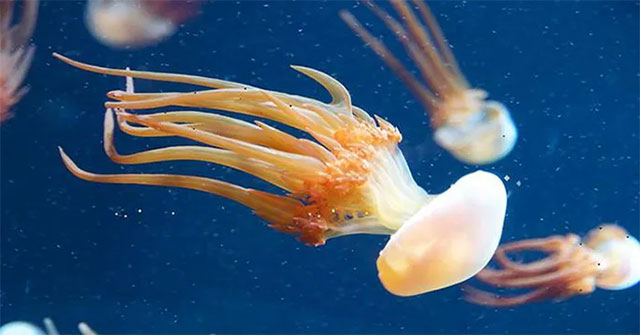
On the outside, they are ordinary modern sea creatures, but inside are chromosomes with an ancient structure preserved from 600 million years ago.
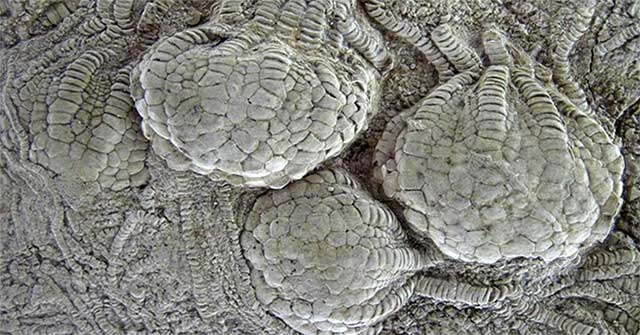
Strange fossils appear in chalk on many continents, on the body with unusual ball-shaped structures never seen in any animal on earth.
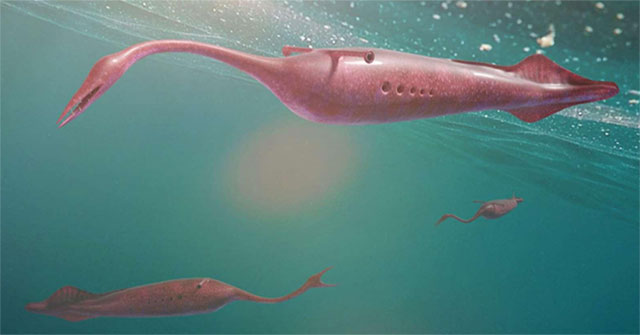
The Tully monster is known to be one of the most controversial ancient creatures because for decades no one has been able to explain exactly which species.
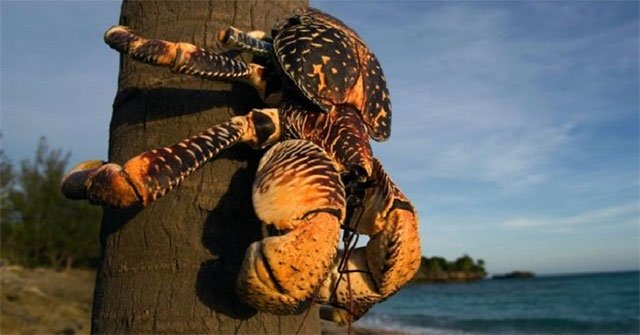
Coconut crabs, the world's largest terrestrial invertebrates, make more paw sounds to interact during mating.

The alarm is sounding about the global decline in insects! Recent studies show that the number of insects is plummeting, due to habitat loss and pesticides.
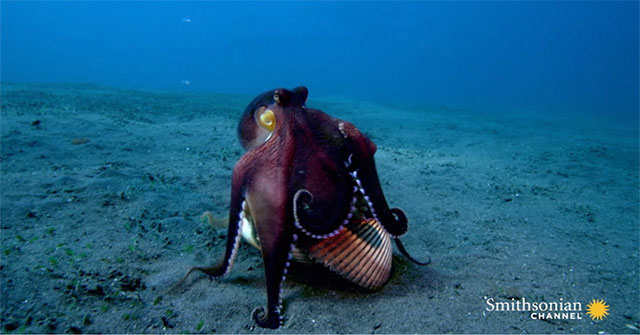
Let's see how the coconut octopus - the most intelligent invertebrates - disguises itself as a clam to ingeniously catch crabs.

Ancient amber blocks preserve intact fossilized mold pigs, invertebrates in the Tertiary have many similarities to mites and water bears.
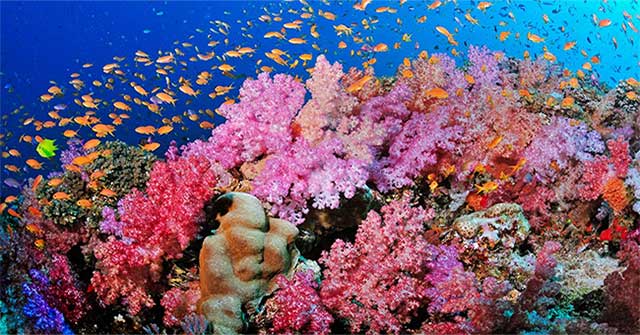
The coral is a small intestinal animal, having two embryos, often using tentacles around the mouth to catch prey.
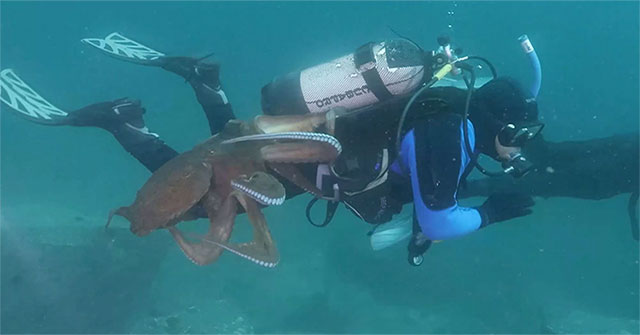
The huge octopus used its tentacles to cling to a swimmer in Japanese waters and find a way to bite people with a sharp beak.