Space science
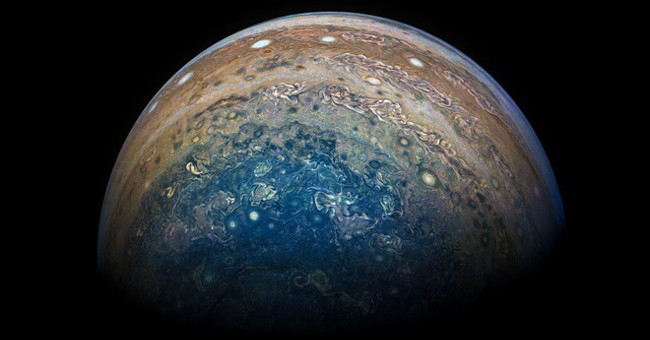
Juno has captured incredible images of Jupiter!
The probe flew very close to the giant gas planet and captured shots with the JunoCam device every 53 days, while traveling at a maximum speed of nearly 210 km / h.
Browse ScienceInfo articles and explainers related to Jupiter.
335 published items.
The probe flew very close to the giant gas planet and captured shots with the JunoCam device every 53 days, while traveling at a maximum speed of nearly 210 km / h.
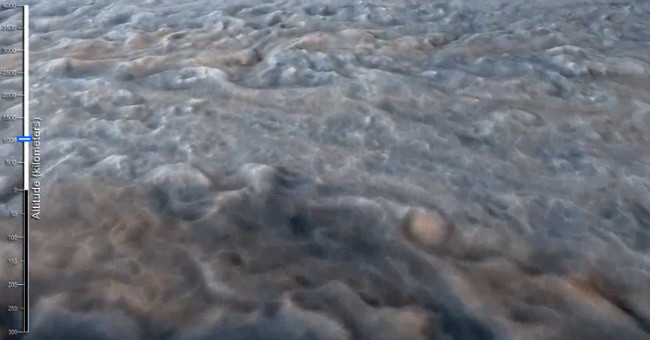
NASA shares graphics revealing the scene when flying through super storms Large red marks with a diameter of 16,000km sweep Jupiter for 350 years.
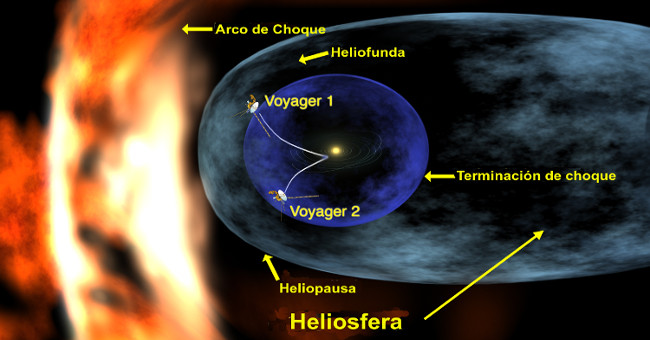
The Voyager 1 spacecraft is a 722kg (1,592 lb) robot space probe operating outside the Solar System and beyond, launched September 5, 1977.
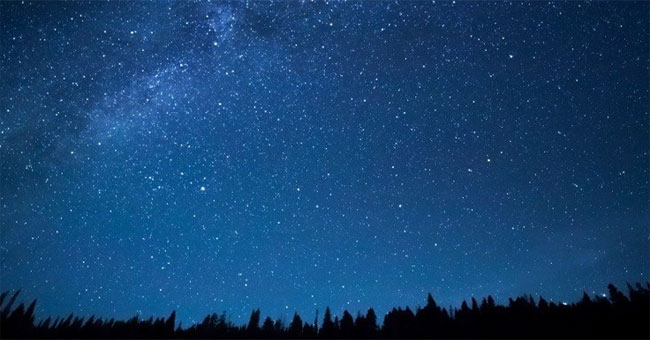
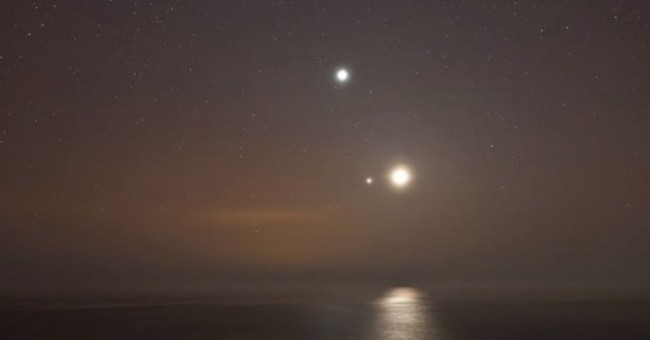
The summer is coming, and the big planets like Jupiter and Saturn will give the sky observers the evening the wonderful scenes.
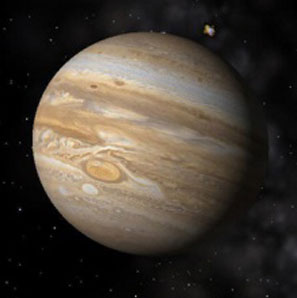
The latest simulation of scientists has shown that Jupiter's rock core is liquefied, melting and mixing with other components in the core. With this new data, astronomer…
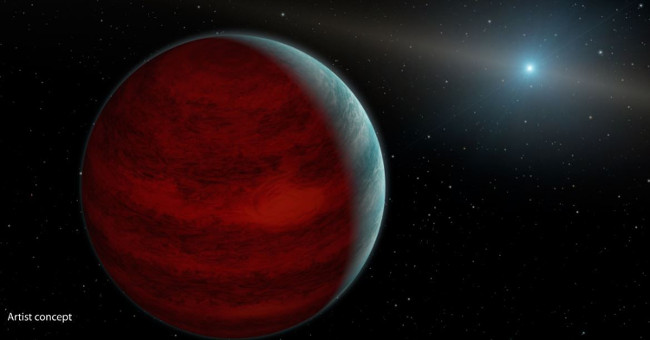
Scientists discovered the new planet is 13 times the size of Jupiter, the largest planet in the solar system, in the center of the Milky Way, according to Yahoo News.
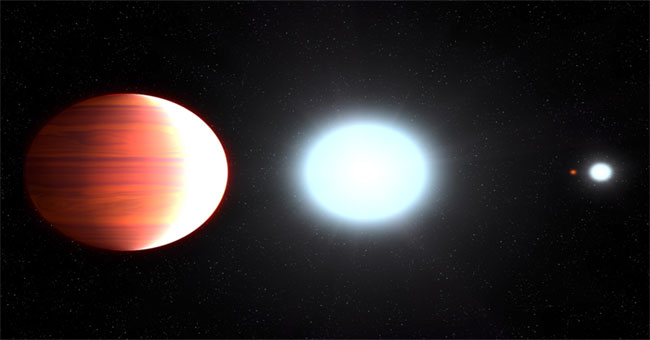
Astronomers have discovered a strange and extremely alien planet. If you have the opportunity to travel space, then skip this planet.
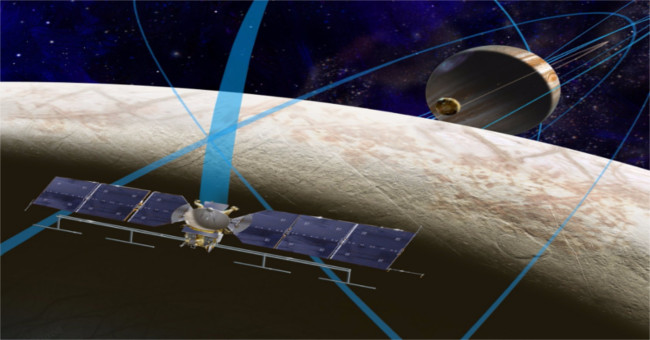
The primary goal for NASA to find evidence of alien life is Europa - an icy satellite of Jupiter.
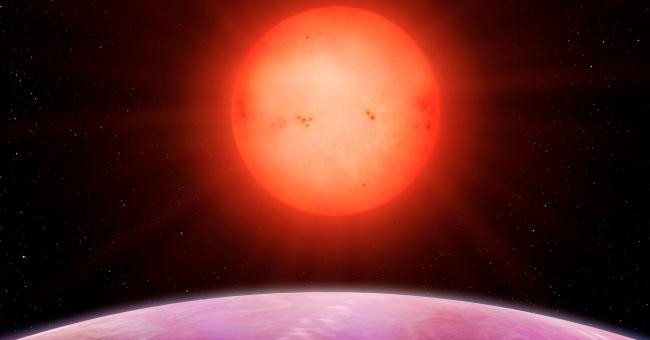
The finding contrary to the astronomical hypothesis concludes that a star so small cannot create a planet too large.
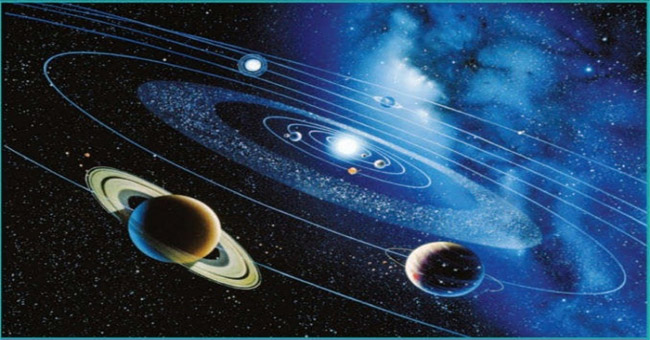
Gather asteroids forming asteroids belt. The main belt has thousands of asteroids larger than 1 km, and millions of tiny objects like dust.
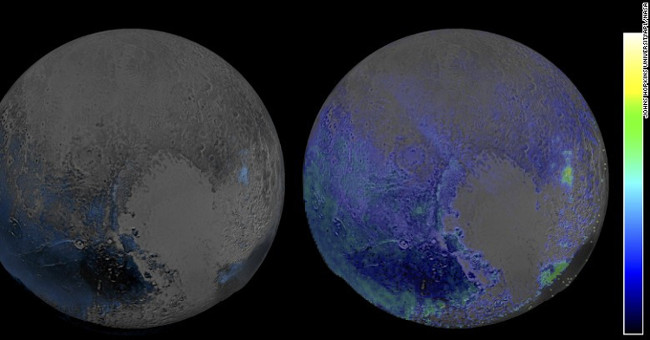
Over the years, NASA has deployed a series of space missions with the ambition of exploring the mysteries in the Solar System, where the Earth belongs.
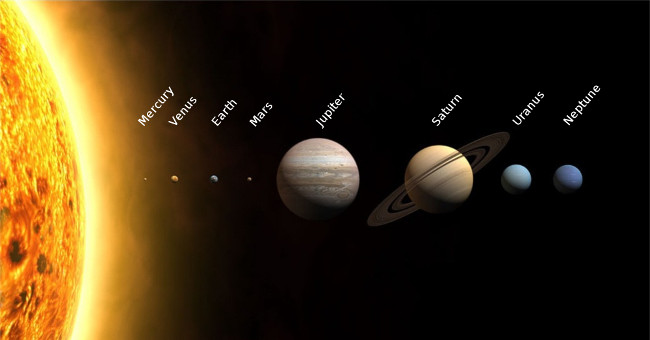
Since the discovery of Pluto in 1930, school-age children will learn about nine planets in our solar system.

Understanding these numbers allows us to prepare carefully for space travel, especially the mission to enter deep space and land the planet.
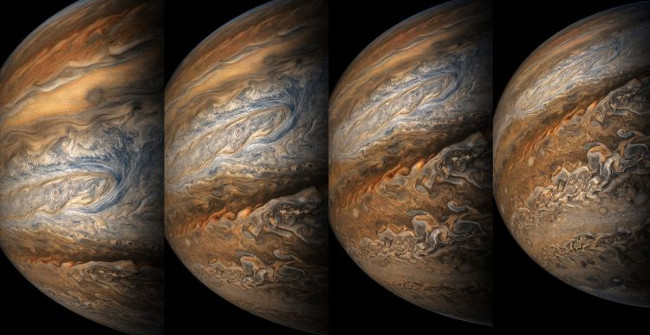
NASA's Juno spacecraft just captures stunning close-up images of the planet's largest solar system.