
Archeology
Detecting many archaeological relics in Dong Van stone plateau
From July 26 to August 6, Vietnam Archaeological Institute survey conducted a survey of 14 monuments (including 13 ancient river floor relics and 1 cave monument) along…
Browse ScienceInfo articles and explainers related to Labor Tools.
27 published items.
From July 26 to August 6, Vietnam Archaeological Institute survey conducted a survey of 14 monuments (including 13 ancient river floor relics and 1 cave monument) along…
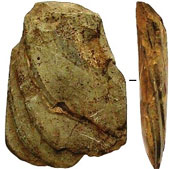
According to archaeologists of the Vietnam Institute of Archeology and the Museum of Ha Tinh Province, the above objects belong to the late Neolithic period, dating back…
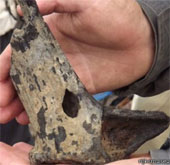

This year, Dak Nong Provincial Museum has discovered many archaeological sites dating to different periods of the Paleolithic, New Stone and Early Metal Age.
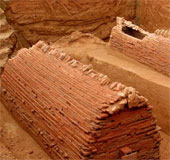
Archaeologists have discovered many burial tombs of primitive people dating to more than 6,000 years at Na Mo cave, Huong Ne commune, Ngan Son district, Bac Kan province.
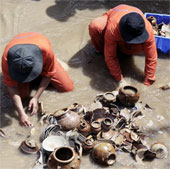
Dr. Bui Phat Diem, Director of Long An Museum, said that there are about 40 special relics and thousands of pieces of pottery, just found during archaeological excavatio…
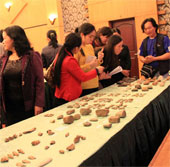
The excavation results show that the stratum of Con Moong cave is 9.5m thick, consists of 10 different structural layers, found working tools, animal bones, mollusc shel…
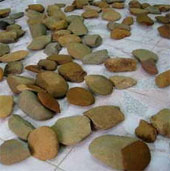
Sao Can Ty site is located next to Highway 4C (the road from Quan Ba district to Yen Minh, belongs to the Global Geopark of Dong Van Plateau).
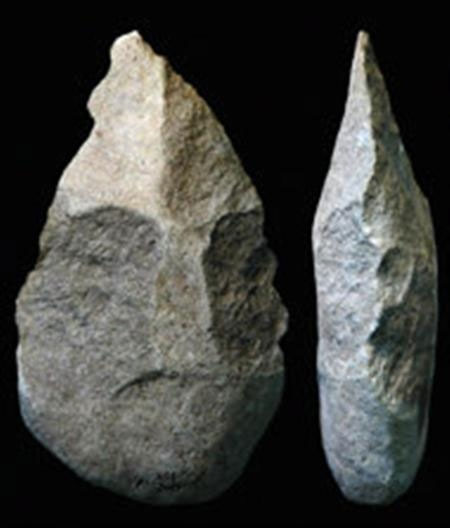
A group of researchers has discovered that the earliest stone labor tool of ancient humans dates back to 1.76 million years, but was not carried away when the ancient pe…
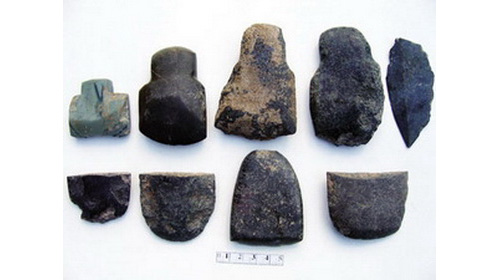
In the survey, archaeological survey in late November and early December 2010 in Hung Dao commune, Hoa An district, Cao Bang province, Vietnam Institute of Archeology ...
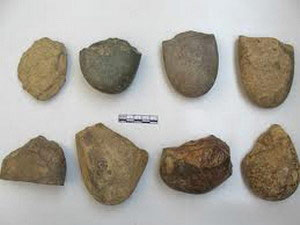
The Head of Science (Vietnam Institute of Archeology), Assoc. Prof. Dr. Trinh Nang Chung, said: in the recent excavation in Vat Lai and Phu Son communes, Ba Vi district,…
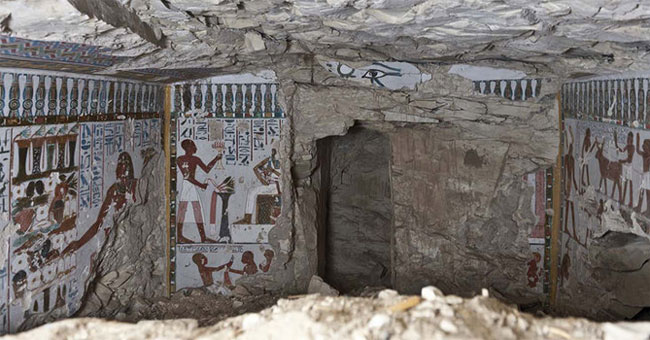
Discovering the secret room in King Tutankhamun's tomb is one of the world's most shocking archaeological finds in 2015.