Archeology
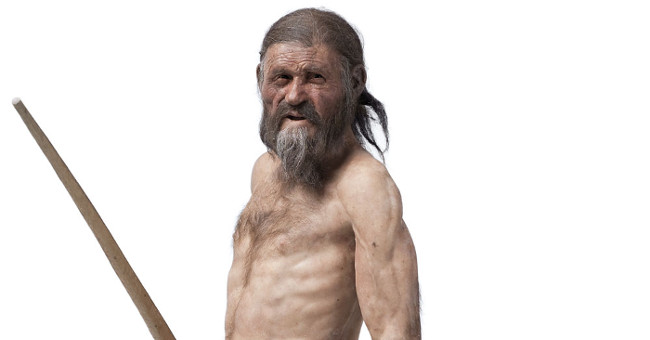
Many strange findings when dissecting the last Otzi ice cream meal
Archaeologists have studied the otzi mummy stored in the Italian city of Bolzano to determine the final meal information of the villain.
Browse ScienceInfo articles and explainers related to Last.
1,625 published items.
Archaeologists have studied the otzi mummy stored in the Italian city of Bolzano to determine the final meal information of the villain.
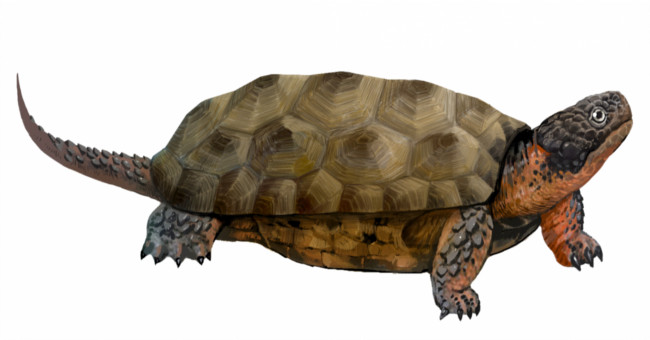
A new archaeological finding suggests that the tortoise can survive more than 100 million years ago compared to a few dozen million years ago.
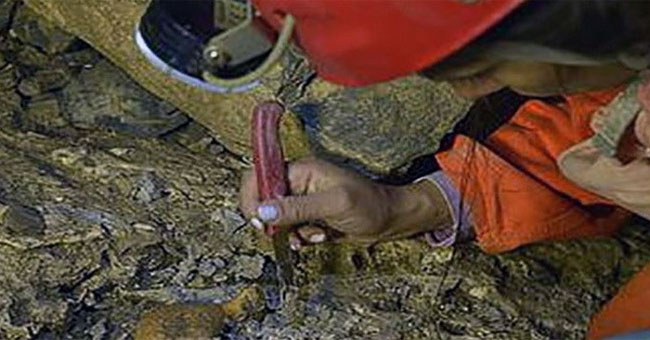
Colombian scientists say they have found a treasure trove of paleontologists in a cave in the northern state of Santander, with a series of fossils of large mammals livi…
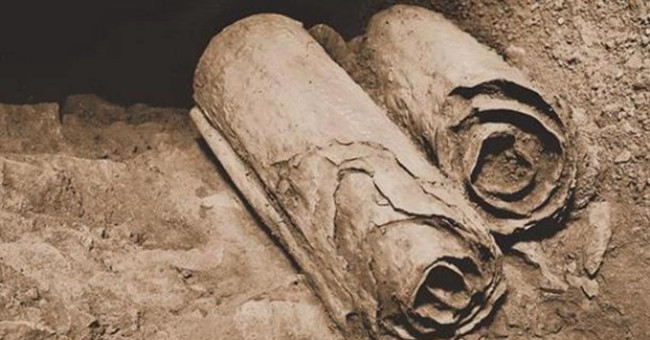
The Israeli Antiquities Agency launched a large-scale archaeological excavation in the cave cluster in the desert of Judea in search of the final Dead Sea scrolls.
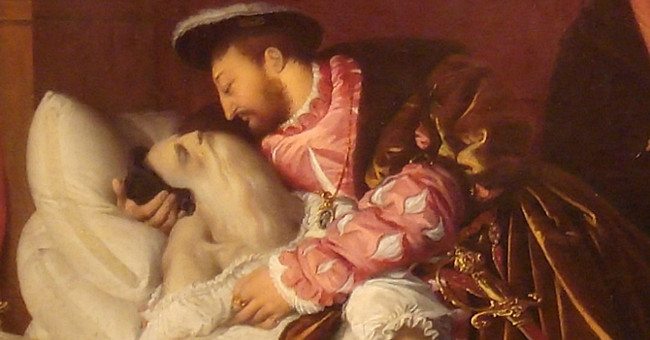
Italian doctors could find the reason why Leonardo da Vinci was so sick that he was bedridden for the last few months of his life.
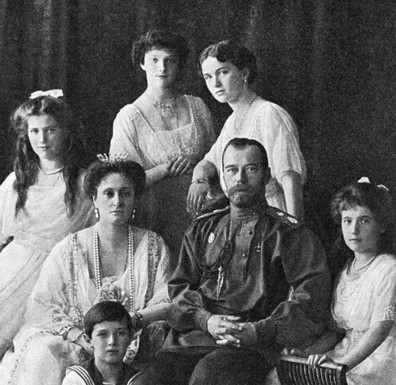
Russian investigators unearthed the remains of Tsar Nicholas II and Queen Alexandra to identify the last two members of their families.
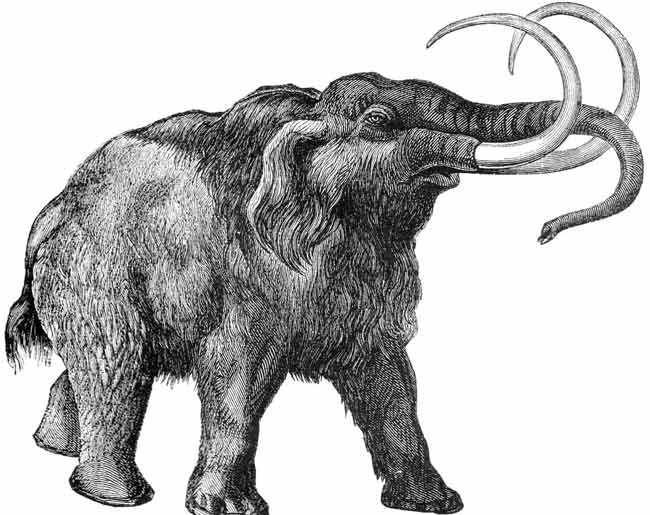
A Dutch researcher has examined the jaw of prehistoric mastodon. This 2.5 million-year-old fossil can provide an understanding of the primordial causes of primitive elep…
Stewed beans, lamb, olives, bitter herbs, fish sauces, unleavened bread, dates and aromatic liquors. It seems to be the dishes of the Last Supper.
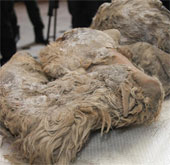
Researchers discovered the body of a turn-feather rhino, an extinct 10,000-year-old animal.
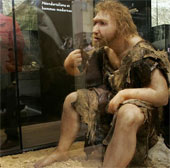
Before extinction about 40,000 years ago, the ancient Neanderthals lived side by side with modern humans in Europe for about five millennia.
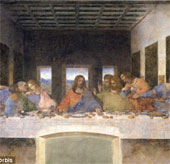
It is a papyrus document about Christian practice and refers to The Last Supper, defined as 1,500 years ago.
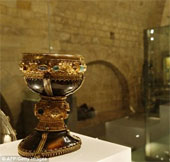
As soon as the information of the 1000-year-old Grail is found in gold encrusted with precious stones, people in this area have come to admire.
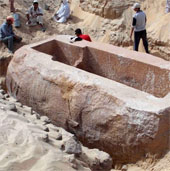
The pharaoh was identified as Sobekhotep I. He was considered the founder and ruler of the 13th dynasty (1781-1650 BC), about 3,800 years ago.
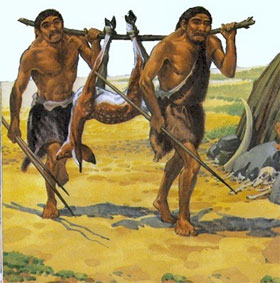
The time when these two groups coexist together lasts about 2,000 years, longer than previously thought.
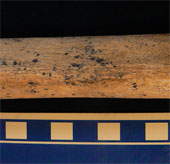
Dr. Wilkinson said scientists are 100% sure that the excavated piece and bone are human and most likely adult bones.