
1001 mystery
The mysterious ancient stone circles in the Middle East
The giant stone circles in the Middle East, dating back at least 2,000 years, challenge scientists' answers for decades.
Browse ScienceInfo articles and explainers related to Least.
615 published items.
The giant stone circles in the Middle East, dating back at least 2,000 years, challenge scientists' answers for decades.

It is a question that exists for at least a few millennia, and now a group of experts claims to finally find a way to test this hypothesis.
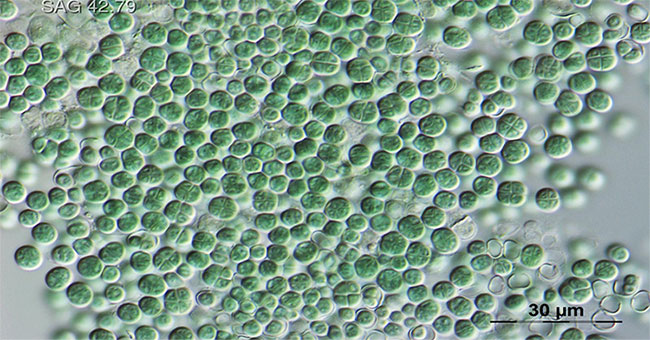
The new work shows at least one exotic bacterium called Chroococcidiopsis thermalis. They live in some of the harshest environments in the world.
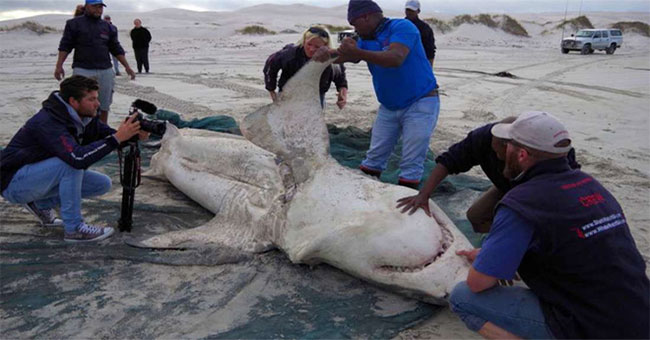
More precisely, since the beginning of 2018, there have been at least 5 reports of huge white shark bodies washed ashore. Their size, the smallest one is 2.7m, the large…
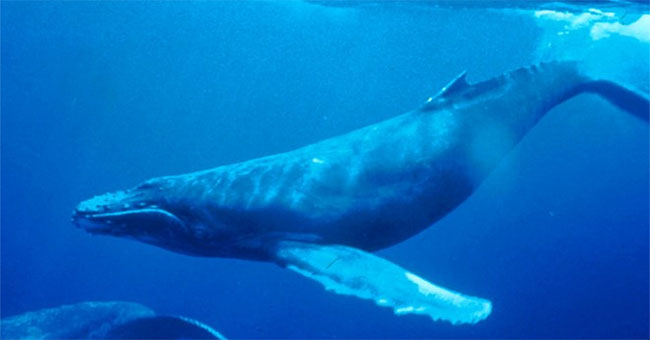
In a study published Oct. 24, Japanese researchers say these oceanic giants will stop the cry, at least temporarily, as ocean vessels approach.
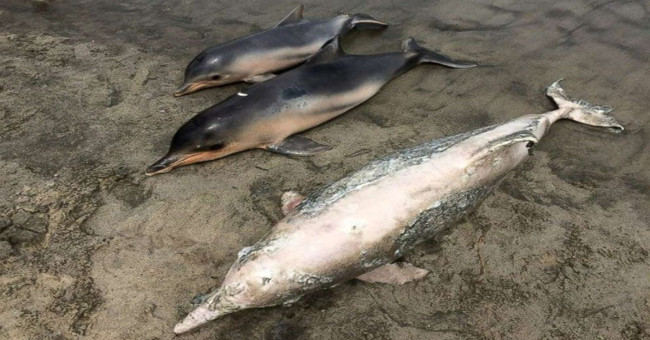
Scientists discovered at least 88 bodies of gray dolphins washed into Sepetiba Bay in western Rio de Janeiro, Brazil, since December 16, National Geographic reported on…
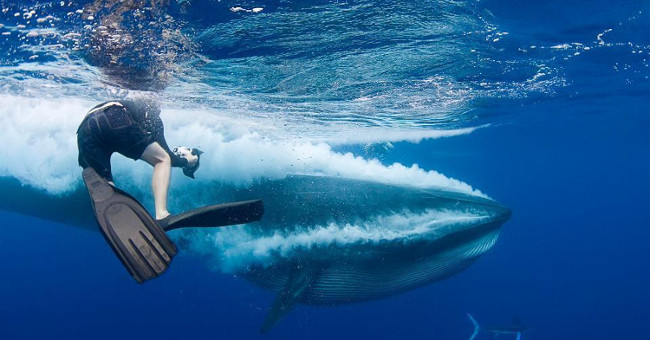
Bryde whale is one of the largest ocean creatures. Adult Bryde whales can be up to 16.5m long, weigh up to 40 tons. However, they are also one of the least known species…
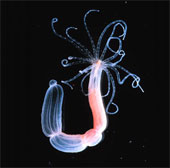
Anemone is an extremely bizarre creature, half a plant, half animal, at least considering its genetic code.
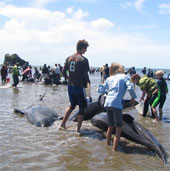
On January 14, at least 13 naval whales were stranded on the remote coast of Farewell Spit, New Zealand's South Island region.
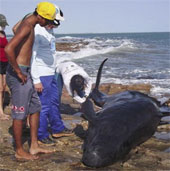
About 30 large dolphins were stranded in northeastern Brazil over the weekend. It was reported that on September 23, at least 7 of them died.
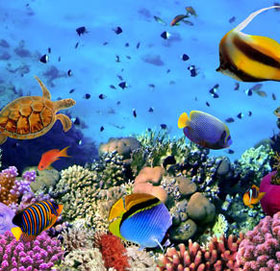
A recent report says at least one-third of the world's ocean creatures are still completely unknown to science.
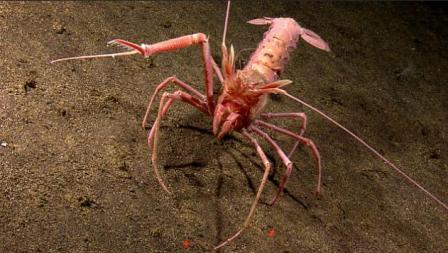
Colorful and diverse images of newly discovered creatures, many of which look attractive.

Sea level worldwide will increase by at least 2 meters in the 21st century and now there is no way for mankind to reverse this phenomenon.
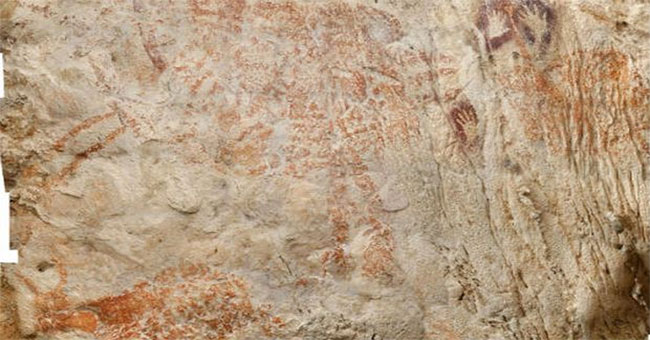
This painting on Borneo, which describes a wild native cattle, is one of thousands of artworks discovered decades ago in remote areas.
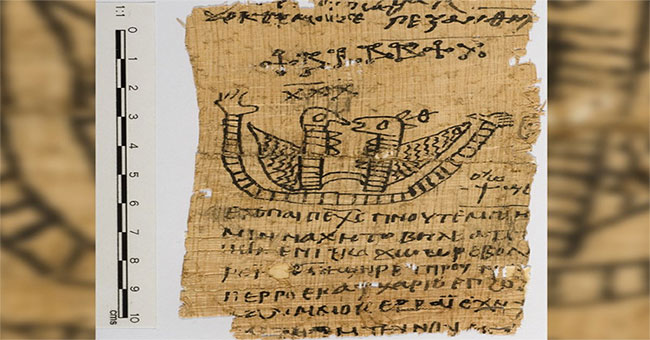
The papyrus, according to scientists dating back at least 1300 years in Egypt, depicts images of two winged creatures poking at each other.