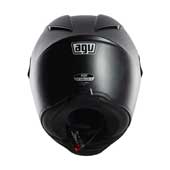
New technologyItaly's famous AGV helmet has launched the AGVisor electro-optical technology with two modes of brightness, which enables the team to use day and night without distr…
December 12, 2018

New technologyRecently, a pair of sports shoes designed with about 100 single LEDs and advanced motion sensors have been created, which will bring a light display when people wear and…
December 12, 2018
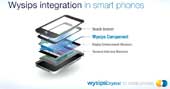
New technologyAt MWC 2015, technology will be the first to see the prototype smartphone Kyocera (USA) with the ability to charge solar energy.
December 12, 2018

New technologyFor the first time, scientists have slowed down the speed of light - particles called photons - as it passes through an empty environment, according to a new study.
December 12, 2018
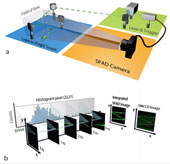
New technologyBy using a speed camera of approximately 20 billion frames per second, scientists have returned to the video for the first time to show a laser beam moving in the air fo…
December 12, 2018
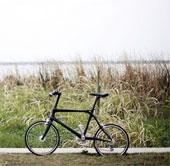
New technologySmart devices that monitor health are present in life aspects. Recently, a smart bike with professional health tracking capabilities has been launched.
December 12, 2018
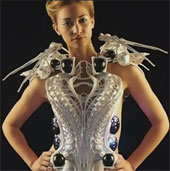
New technologyThe sensor system on the smart shirt can measure breathing and protect the privacy of the wearer.
December 12, 2018

New technologyResearchers have released a special light paper, which turns any object in your home into a light.
December 12, 2018

New technologyA tour around Corning's glass labs will show the brand new functionality of Gorilla Glass toughened glass.
December 12, 2018
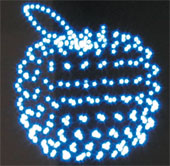
New technology3D projection images are now very realistic, Hologram technology even erases the gap between illusion and reality. However, the drawback is that a screen is needed.
December 12, 2018
New technologyThe future of super-fast computers like fiction films, fast Internet connections like DC's 'Flash' superhero is coming to fruition with the advent of this te…
December 12, 2018
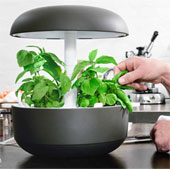
New technologyFinnish winter is very harsh because of the snow cover, so it can not be cultivated. Therefore, the team decided to produce equipment to help plant plants in the home.
December 12, 2018
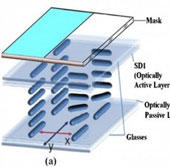
New technologyScientists at the University of Science and Technology in Hong Kong have successfully researched a super-thin LCD panel that does not require electricity.
December 12, 2018
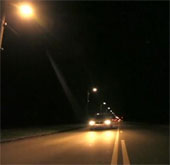
New technologyLuminaires are fitted with sensors so they only work when pedestrians or drivers are approached.
December 12, 2018