New technology
Self-cleaning woolen fabrics
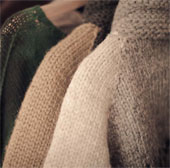
Researchers in Hong Kong have recently made a test of cashmere wool that can clean itself of sunlight, which saves water and chemicals.
Browse ScienceInfo articles and explainers related to Light.
3,286 published items.
Researchers in Hong Kong have recently made a test of cashmere wool that can clean itself of sunlight, which saves water and chemicals.
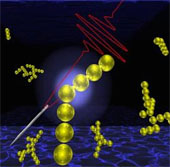
Invisibility cloak may not yet come true, but a method of creating light-based materials can be used in the near future to create this type of cloak.
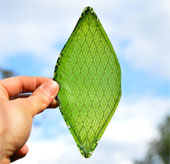
A recently graduated American student has created an artificial tree that is able to turn water and light into oxygen, a significant advance in science for space travel.
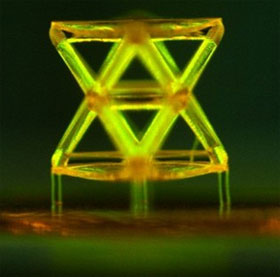
In the past, scientists have successfully fabricated metamaterials heavier than air three times as hard as steel, known as aerogels.

Researchers at Harvard University have developed a 3D printing technique to create a light but very rigid cell mix using epoxy resins.
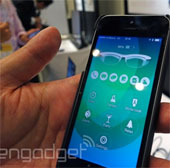
Fun-iki, a simple smart glasses will help you know what's going on with your phone without taking the phone out of the pocket.
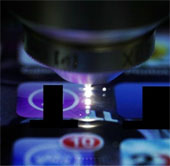
Glass on the current smartphone screen does not have many functions, it only displays images and receive the touch operation.
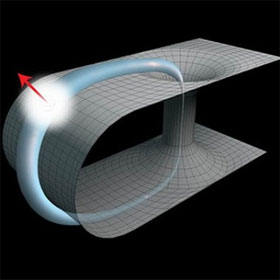
A team of researchers at the University of Queensland led by Dr. Martin Ringbauer successfully simulated time travel using the fundamental particles of light.
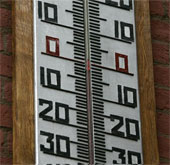
Physicists at the University of Adelaide say they have created a thermometer capable of accurately determining room temperature at a rate of one-thirty millionths of a d…
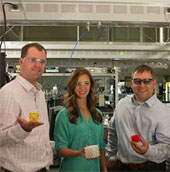
Researchers have developed a material with a different ruler size and features lightweight, hard and robust - that can be used in 3D printing.
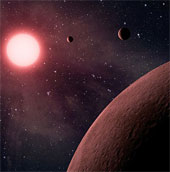
As we all know, each different molecule absorbs light in different ways.
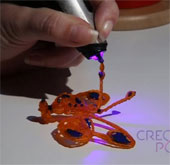
A unique 3D pen can help you sketch lines easily in space.
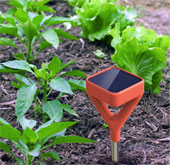
The sensor collects data on light, humidity or air conditions in the growing area, which helps the gardener adjust the proper care of the plant.
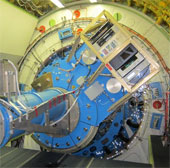
Scientists at NASA recently introduced a new spectrophotometer called Echelon-Cross-Echelle Spectrograph (EXES).
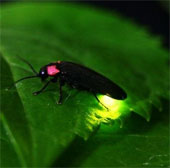
By simulating the light-emitting structure of fireflies, researchers have created LEDs that are 55% brighter.