
Discover science
Cell phone behavior can spread like flu
Researchers from the University of Michigan (USA) tracked on dozens of students to find out the phenomenon of transmission in mobile phone use, Telegraph reported.
Browse ScienceInfo articles and explainers related to Like.
5,993 published items.
Researchers from the University of Michigan (USA) tracked on dozens of students to find out the phenomenon of transmission in mobile phone use, Telegraph reported.
Condoms are better known as delicate ones

Korea has a higher rate of plastic surgery than any other country in the world, one in 77 people has used cutlery for beauty.

A genetically-modified superhuman generation like in the Hollywood series

Pride of Chinese people for many years - The Great Wall is still there. The only thing is that from the space looking down, the Great Wall just looks like a earthworm.

Owning a slim waist is the desire of most women around the world for decades. A new study has revealed why men are also passionate about women who own a slender 2-piece…
Mushrooms are a nutritious food, rich in minerals, vitamins and very good for health.
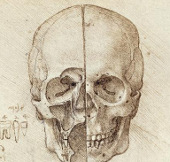
A page of the unprecedented manual of Leonardo Da Vinci has revealed, even the genius has to write a list of
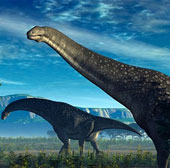
Recent research shows that a mouse-sized mammal can grow into giants like elephants after 24 million generations.

Lies won't make your nose grow like a Pinocchio, but will actually warm up your olfactory organ, according to a new study by Spanish scientists.

It's not a sudden people love life long legs. If celebrities like Kate Moss and Nicole Kidman, long legs are long-lasting treasures, the majority of the women are not sa…

Scientists believe that pleasure from a handshake is similar to that of a kiss.

Human ancestors began eating grass half a million years earlier than previous studies, as soon as they left the tree life.
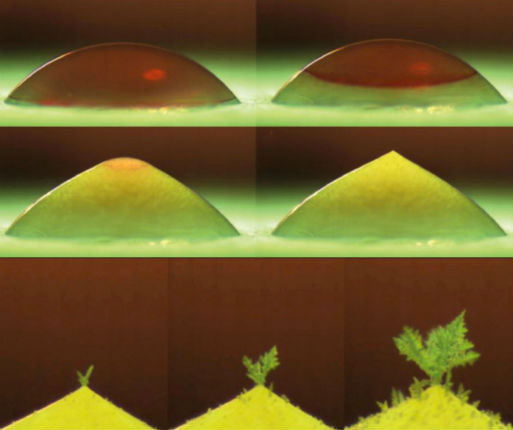
Water drops create a completely new shape when they freeze. Instead of a round shape, they form a spike and a final 'grow' onto a small forest of ice crystals on the sur…

People are only fully mature when 24, and under this age still behave like children. That is the conclusion of Professor Suzane Sawyer, Institute of Children Research an…