Archeology
Detecting strange soil tissue
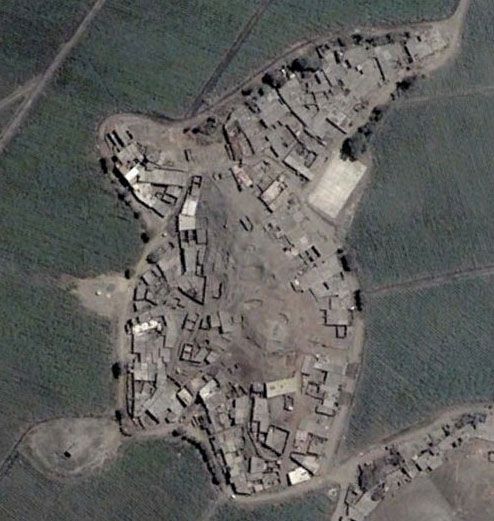
Artificial soil that looks like an eel, a vulture or a duck discovered in North America may be evidence that ancient people rely on astronomy to cultivate crops. Accordi…
Browse ScienceInfo articles and explainers related to Like.
5,993 published items.
Artificial soil that looks like an eel, a vulture or a duck discovered in North America may be evidence that ancient people rely on astronomy to cultivate crops. Accordi…
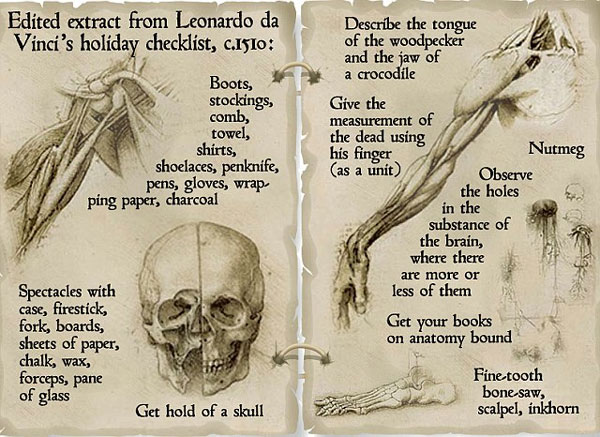
In the list written around this 1510, Leonardo lists very ordinary things like walking dogs, picking up items from dry cleaners or buying paint and brushes. However, it…
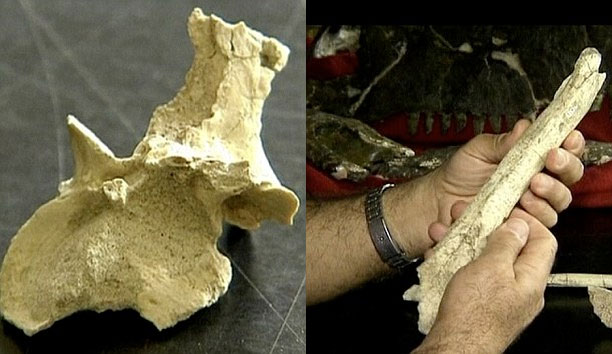
Paleontologist, Fernando Novas, of the research team (fossil discovery with two Argentine scientists, Federico Agnolin and Jaime Powel), said the skeleton was found to h…
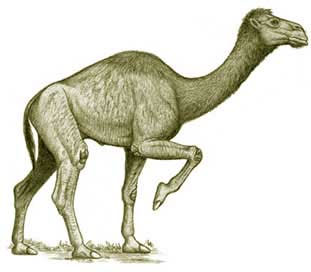
Scientists at the University of Florida (USA) have said that they have discovered fossils of two extinct camel species in the Panama Canal region.
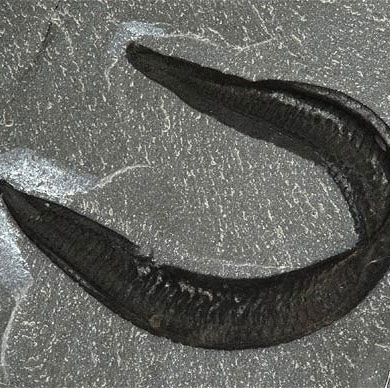
An eel-like prehistoric creature found in Canada has been identified as the oldest ancestor of humans that science has ever known.
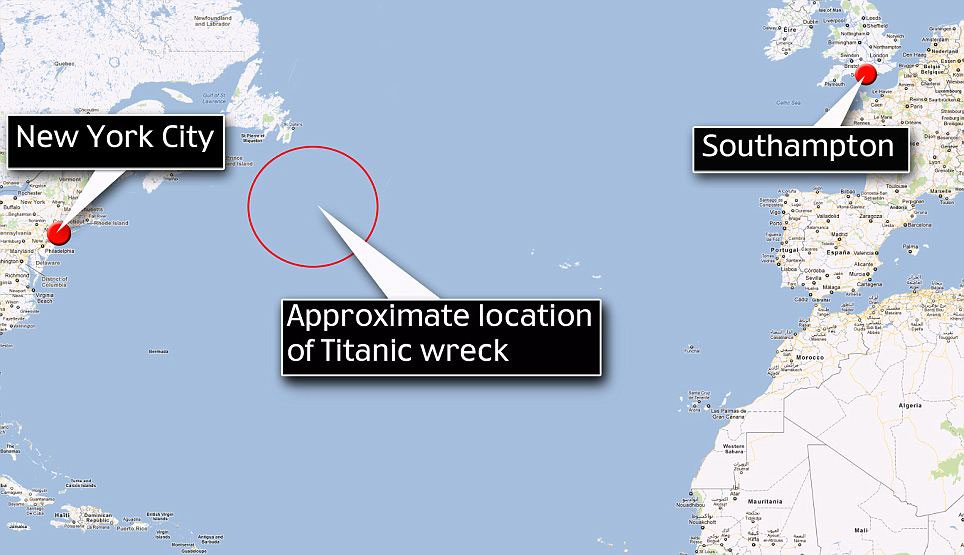
Some photos of the ship after a century of seabed going to be published in the April issue of National Geographic will help people see what the ship looks like today.
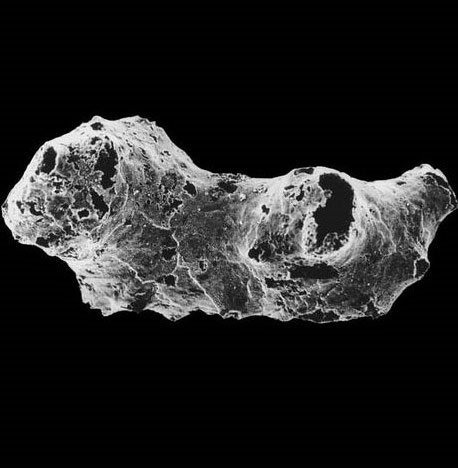
Scientists discovered fossils of a sponge-like creature dating back about 760 million years in Africa. This may be the first animal to appear on Earth.
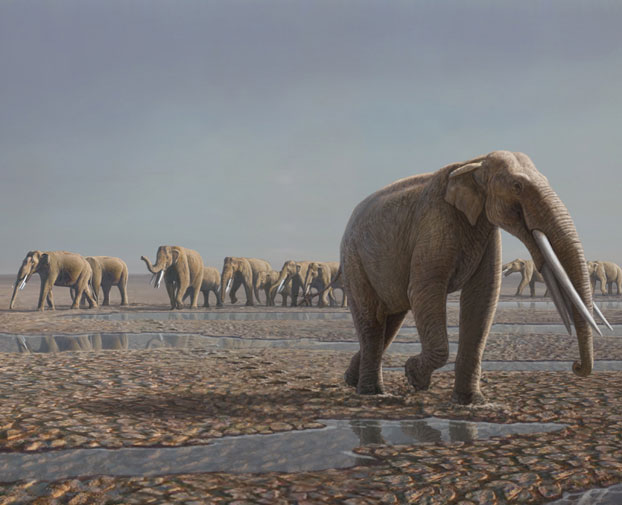
The world's oldest elephant footprints recently discovered in the Arab desert date back to 7 million years old. More specifically, these prehistoric elephant footprints…
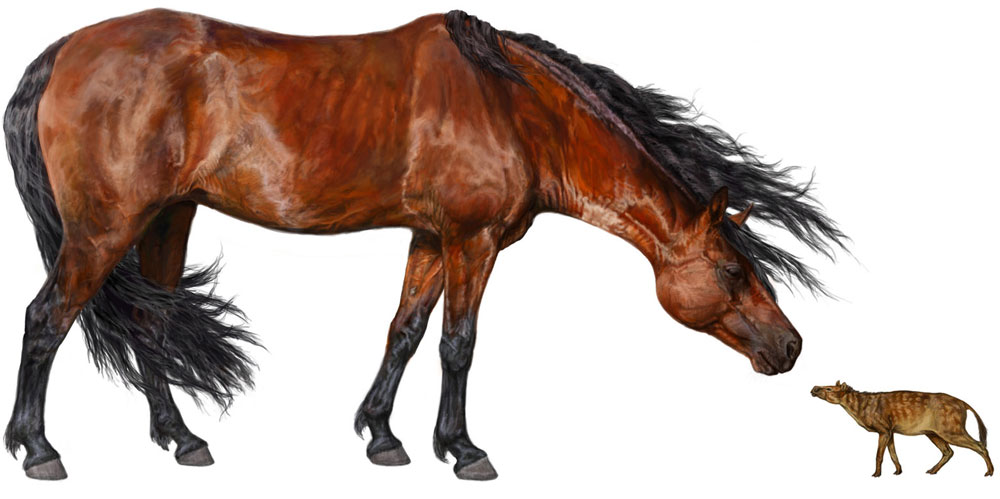
Over 50 million years ago, Earth's temperatures were higher than now, and cat-only horses have a lot in North American forests.
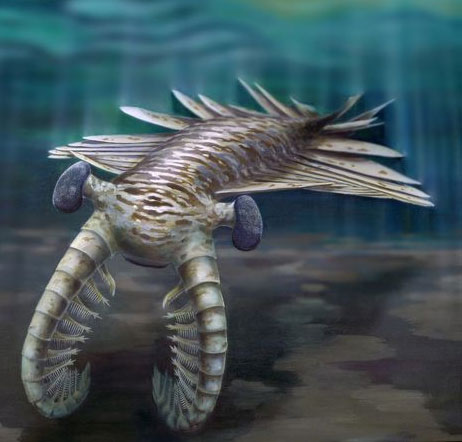
On December 8, Australian scientists announced the discovery of fossil eyes like insect eyes of ancient marine predators more than 500 million years ago, according to AF…
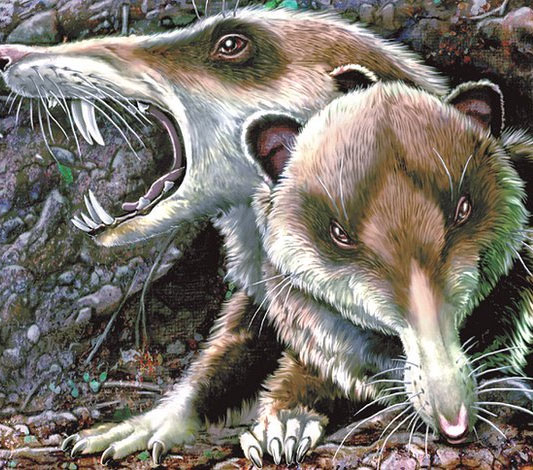
A new study shows that fossil skulls and canines of a mammal-like shrew have been found in Argentina.
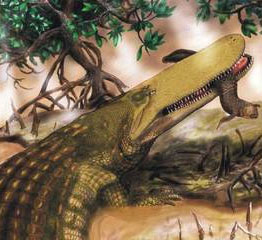
Scientists have discovered a new ancient crocodile with a strange skull shaped like a shield, living on rivers of the Cretaceous.
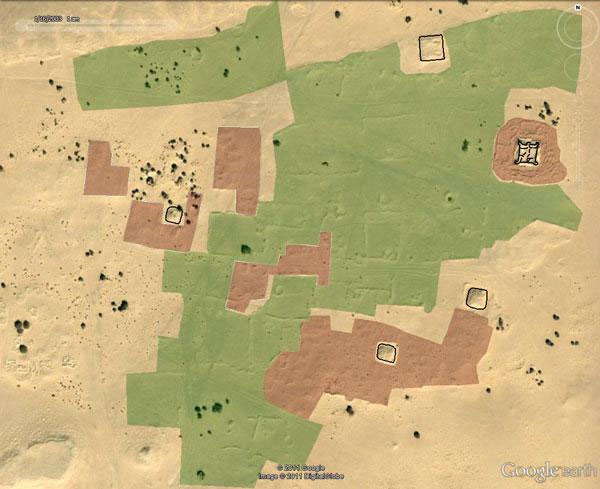
Recently British archaeologists have discovered medieval castles in the Sahara desert in southwestern Libya.

Using a showy tail is the way a dinosaur applies to attracting mates, scientists said.

Karabo lived nearly two million years ago, probably our first ancestor and was