
Science story
Maybe you don't know: Opening a champagne cap is like launching a rocket
According to an article published in the journal Fluid Physics, the sound of a champagne cork turns out to have something in common with a rocket launcher.
Browse ScienceInfo articles and explainers related to Like.
5,993 published items.
According to an article published in the journal Fluid Physics, the sound of a champagne cork turns out to have something in common with a rocket launcher.

Plants with strong odors such as glass, lavender... should only be placed in the yard, not indoors.
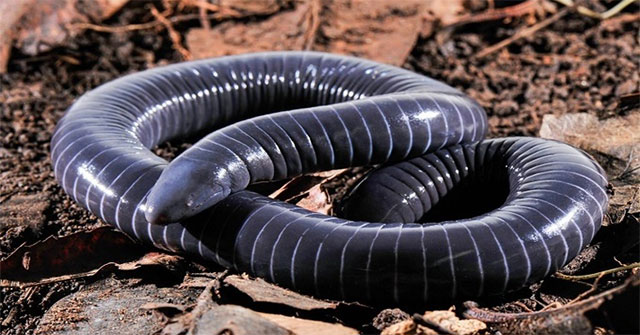
For the first time, researchers have found evidence of venom glands in caecilian, legless amphibians with a snake-like appearance.
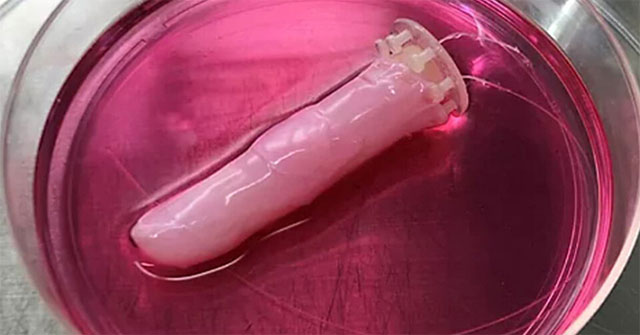
Japanese researchers have created a robotic finger with a self-healing flexible plastic coating made from human skin cells.

Researchers created today's high-quality olive oil-like oils by twisting more than 4,000 years ago.

The Kingdom of Monaco owns many records: being the second smallest country and also the second richest in the world.
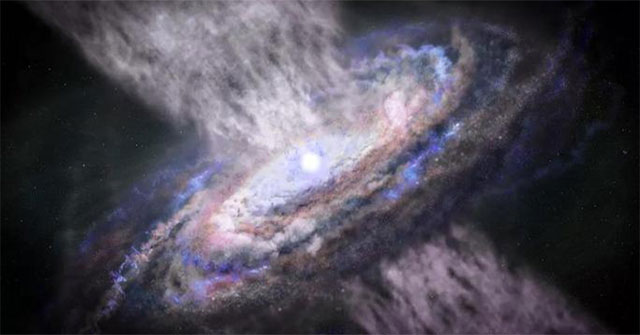
Scientists have identified a new, extremely creepy behavior of monstrous black holes that could cause worlds like Earth to be destroyed from within.
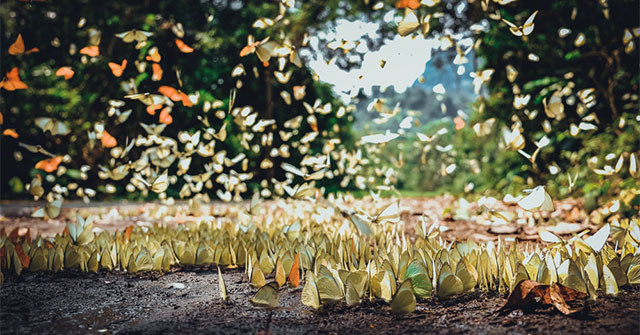
Scientists used a robot shaped like a hummingbird to approach butterflies. When resting, butterflies gather together to keep warm.
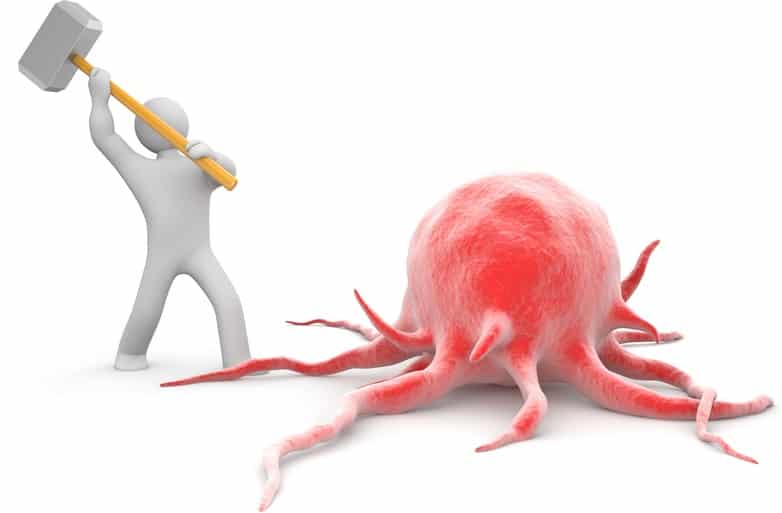
Cancer cells crave sugar like a drought waiting for rain. You can also prevent cancer yourself by 'starving' them.
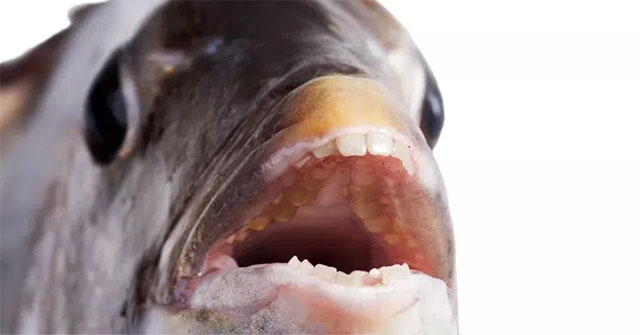
This fish is mainly commonly found along the east coast of North and South America. They are known for their incisors that look a lot like human teeth.

Researchers have discovered an optical illusion that can trick the brain and dilate the pupils in humans.
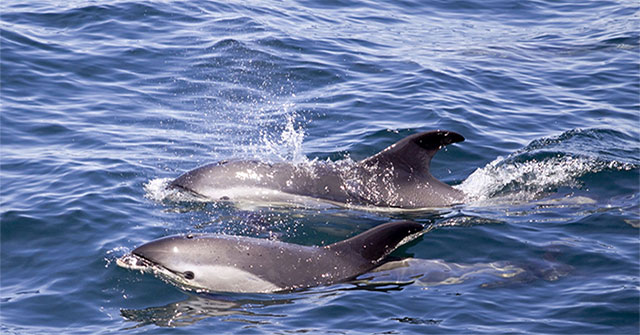
A new study shows that dolphins make friends by recognizing each other's urine. Like how they whistle to know if it's their own kind or not.
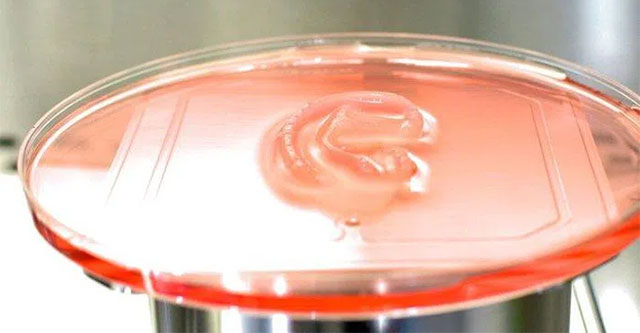
American doctors have performed a transplant that seemed like a sci-fi movie: a replacement ear was created by growing in the laboratory from an ear cartilage cell and a…
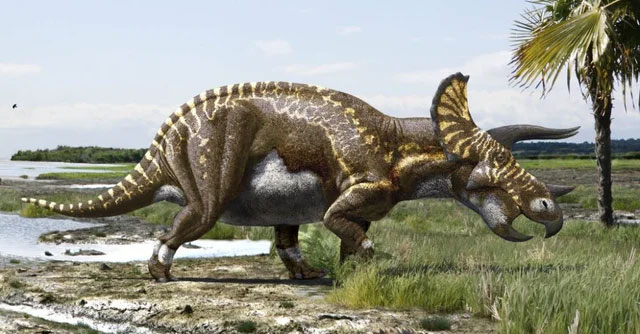
In a new paper in the journal Nature, scientists reveal a new way to study the metabolic rate of dinosaurs using clues in their bones.
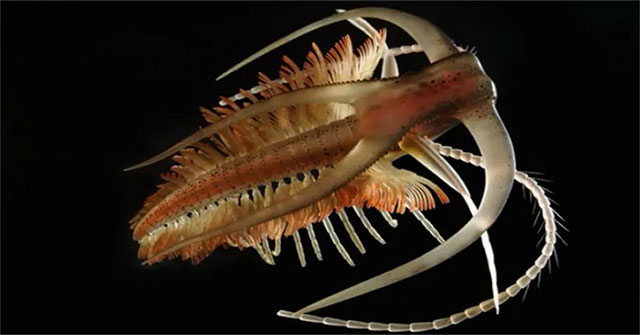
The Cambrian explosion, which occurred about 542 million years ago, is one of the most 'impressive' events when it comes to the history of life on this planet. A few spe…