Animal world
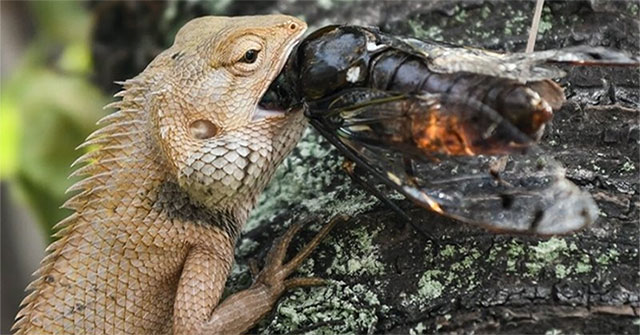
Lizards change their eating habits when the climate rises 2 degrees Celsius
Lizards usually live on an insect diet, including insects that eat plants like crickets, as well as carnivorous insects like spiders and beetles. T
Browse ScienceInfo articles and explainers related to Lizard.
378 published items.
Lizards usually live on an insect diet, including insects that eat plants like crickets, as well as carnivorous insects like spiders and beetles. T
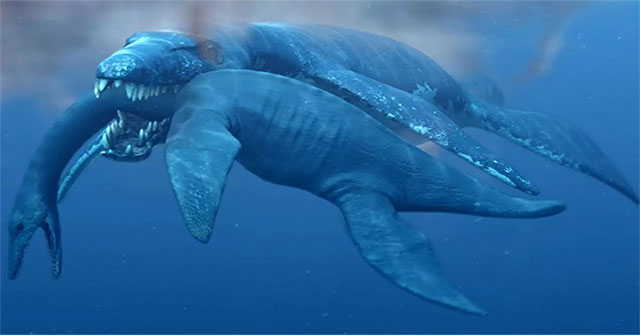
Paleontologists found a 150 million-year-old fossil of a giant predator sea reptile in southern Poland.
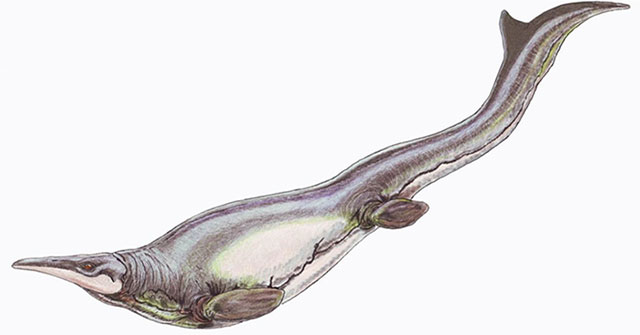
Mosasaur may be one of the most feared reptiles living in the age of dinosaurs, with its enormous size and jaws.
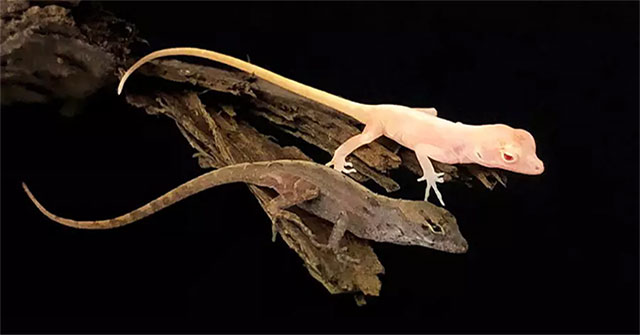
The successful application of gene-editing technology in reptiles can help us better understand the vision problems in albinos.
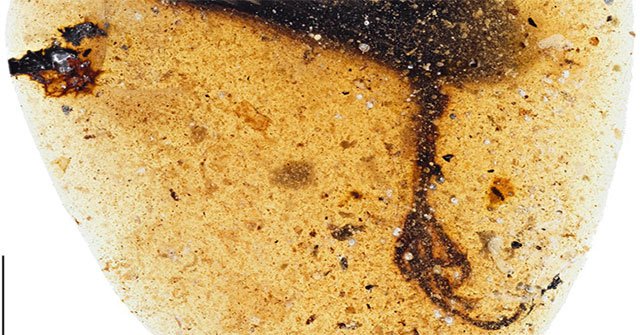
According to Guardian, this fossil fossil is somewhat strange because the middle toe is longer than the other fingers. It is found in an amber from Myanmar.
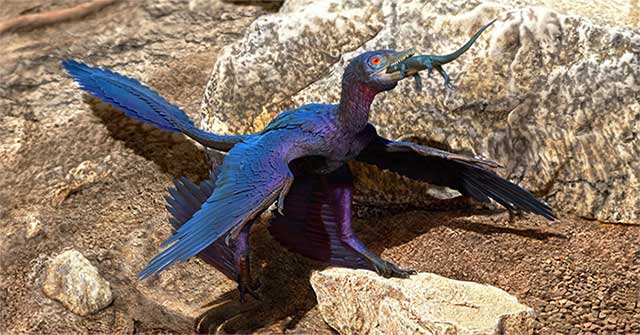
Intact lizard corpses in fossils found in Liaoning, China, reveal the habit of swallowing the prey of ancient 4-wing dinosaurs.
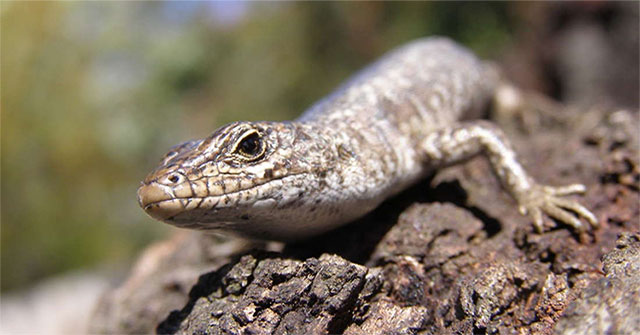
Lizards can regrow their tails, even their limbs. But that ability is not infinite.

A surprising possibility for carnivorous plants living in the North.
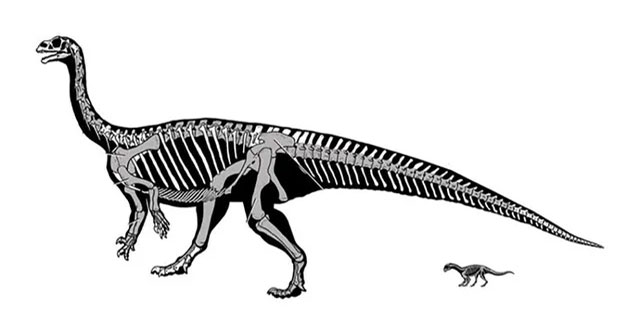
Learning to crawl before learning to go is a very unusual feature among animals. In addition to humans, only a dinosaur is believed to have crawled like that.
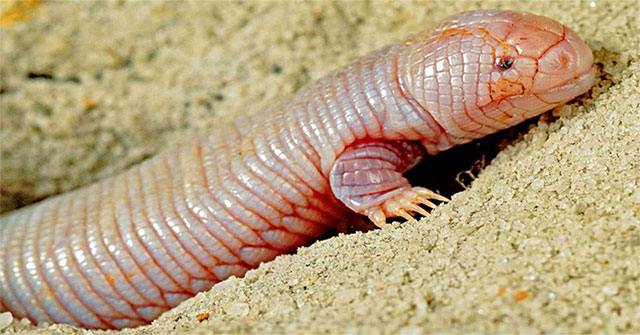
Unless flooded with rainwater, they will never risk crawling on the ground.
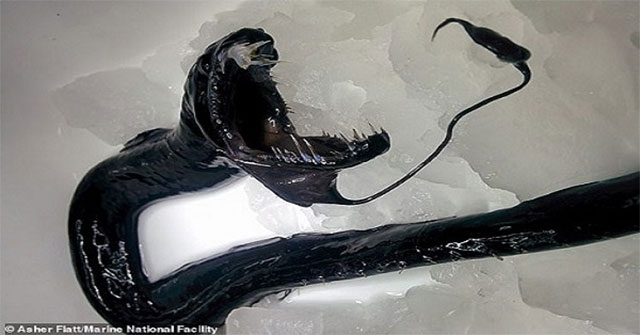
The creatures that detect deep seabed off Australia provide a whole new perspective on the evolution of marine species.
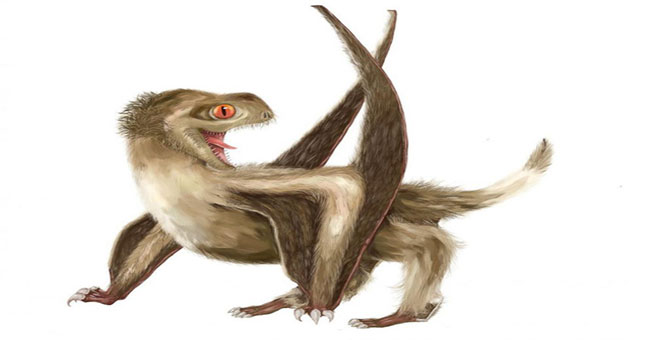
Flying lizards, living during the dinosaurs, were the first vertebrate to fly. However, since there are currently no flying lizards, the majority of information about th…
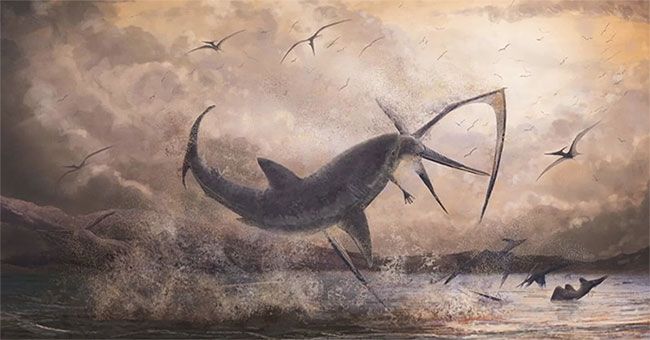
The fossil tooth is a remnant of an intense aerial attack between a double-spotted shark and lizard.
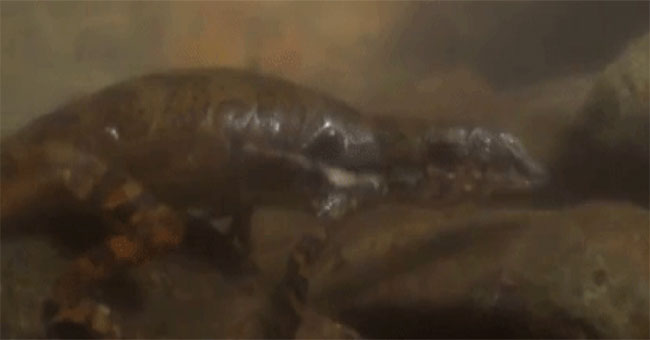
This is an amazing finding because before, scientists had never recorded any vertebrate that could do the same thing.
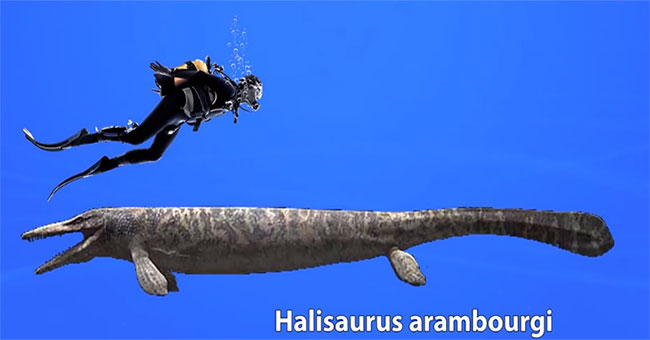
Dragon lizard is a large sea lizard family that lived in the late Cretaceous period. The largest species can grow to 18 meters in length.