Oceanography
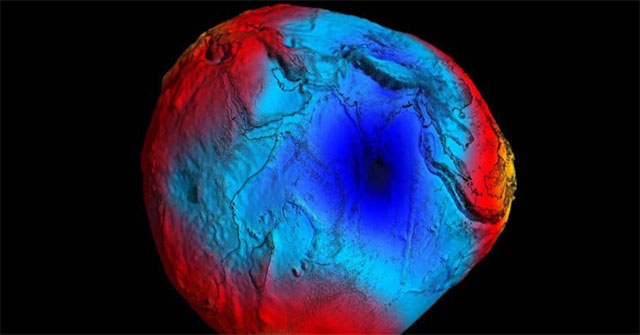
Huge gravity hole under the Indian Ocean
Experts have found a possible reason why a 3 million square kilometer gravity hole, where gravity is especially weak, formed in the Indian Ocean.
Browse ScienceInfo articles and explainers related to Low.
905 published items.
Experts have found a possible reason why a 3 million square kilometer gravity hole, where gravity is especially weak, formed in the Indian Ocean.
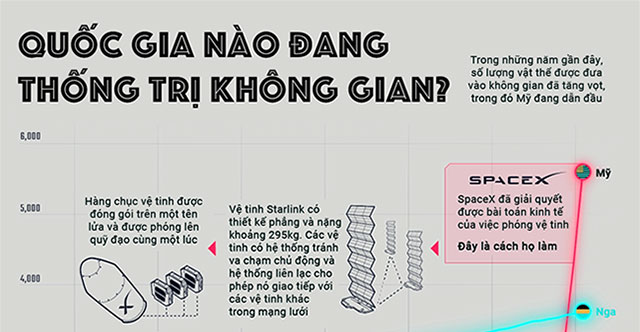
The space race began during the Cold War and from the beginning the Soviet Union dominated the number of devices and objects launched into space.
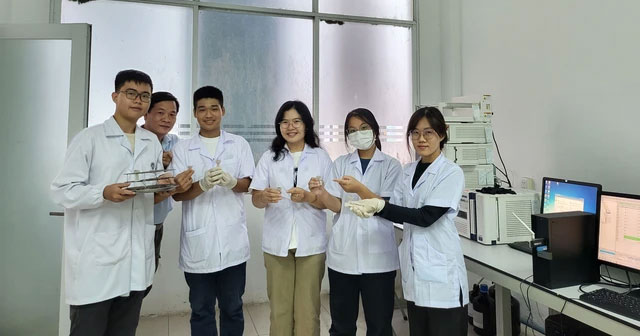
Materials that seem to no longer have any use value or have low economic value such as bagasse, sweet potatoes... can become bioplastics.

The carbon footprint of Sugarcrete bricks is 20 times less, and it is 4-5 times lighter than traditional bricks.
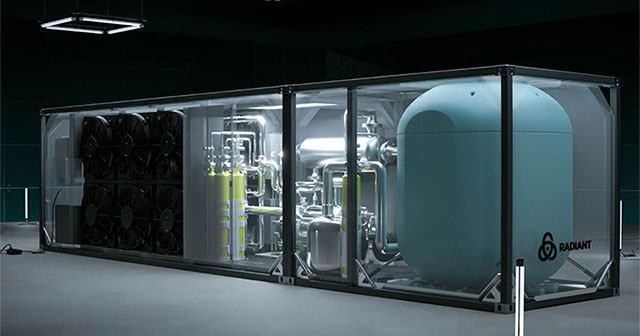
A team of former SpaceX engineers is developing the world's first portable, zero-emission power source that could bring electricity to remote lands.
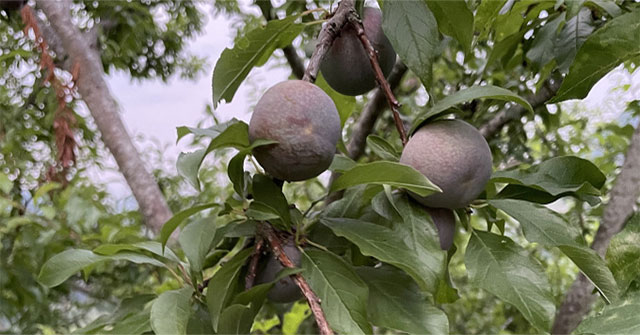
Plums are rich in antioxidants, fiber and have a low glycemic index, providing many health benefits for people with diabetes.

Engineers at the Massachusetts Institute of Technology (USA) have invented a cheap device that can turn seawater into drinking water using solar energy.
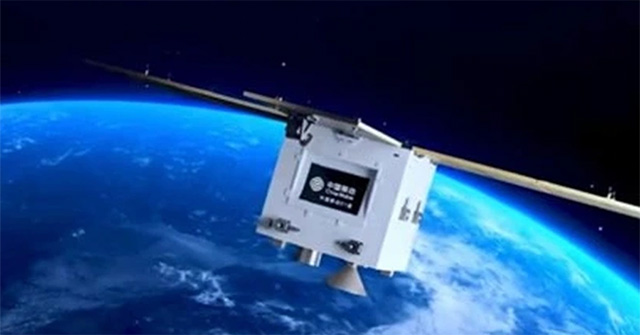
While the beginning of the 6G technology race has barely taken shape, China Mobile - the world's largest network operator - in early February launched a 6G test satellit…

Chinese scientists developed a new electrolyte that allows lithium-ion batteries to charge and function well at extremely low temperatures.

Scientists have discovered a new method that can detect skin cancer in just a few seconds, thanks to technology available on 6G network phones.
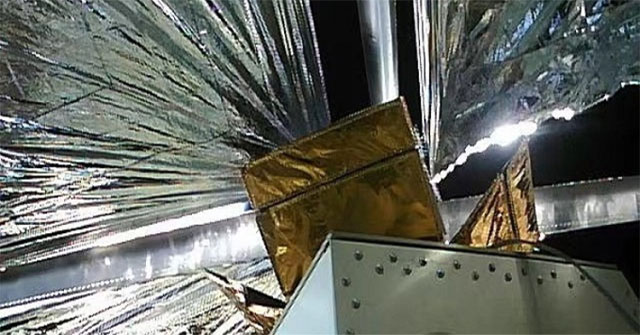
Chinese scientists successfully opened the towing sail to bring one of the recently launched Long March 2 rockets out of orbit, helping to reduce space junk.
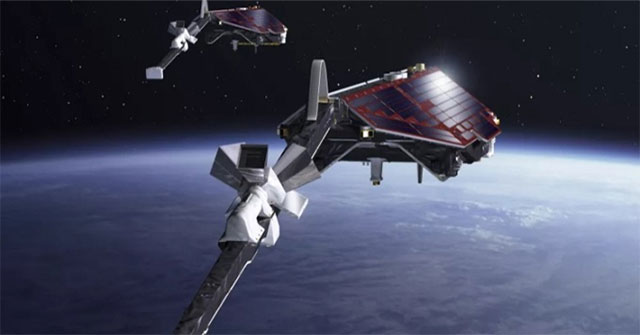
Experts fear the new solar cycle will cause satellites flying in low orbit around the Earth to run out of fuel and fall through the atmosphere faster.
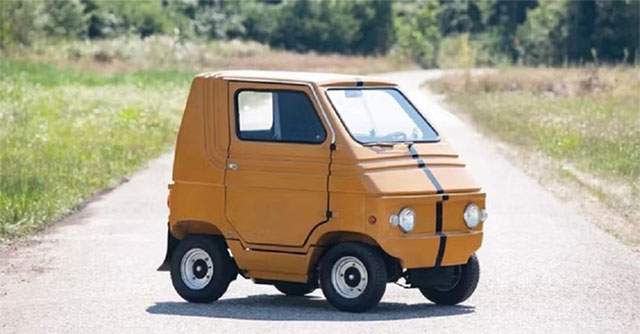
The Zagato Elcar is a unique and affordable all-electric microcar.
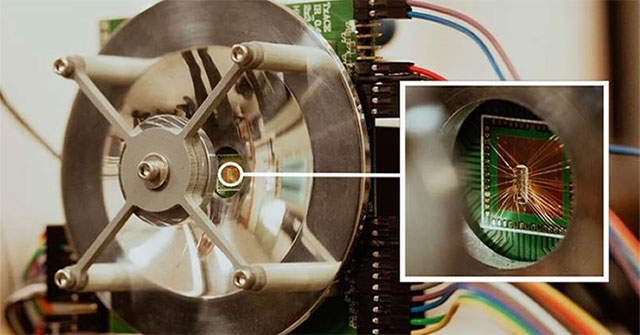
Researchers at the University of Texas and Oklahoma State University (USA) have developed an imaging chip.