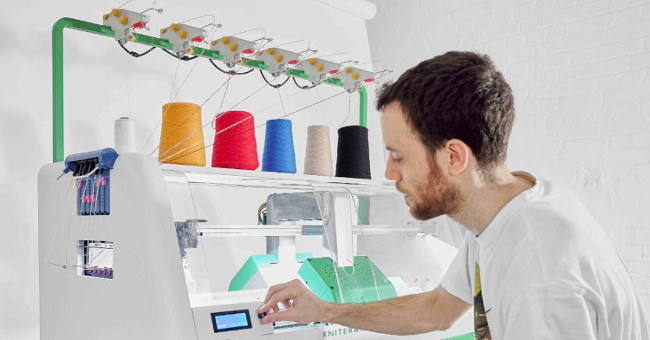
New technologyKniterate is an electronic textile machine that allows printing digital designs into real products thanks to 3D technology. The product is currently calling for funds on…
December 12, 2018
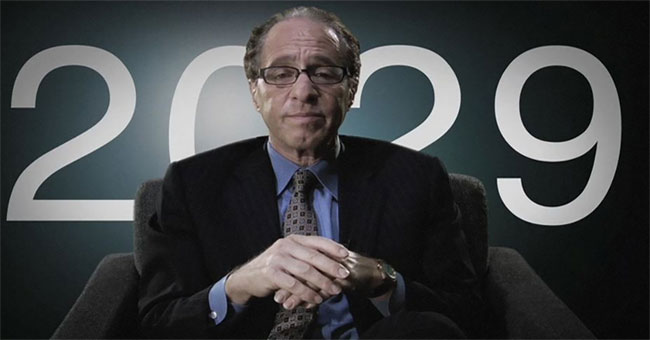
New technologyContrary to those who are afraid of enslaved humanity, Ray Kurzweil, Google's Chief Technology Officer, thinks that 12 years from now, people will be better off with sup…
December 12, 2018
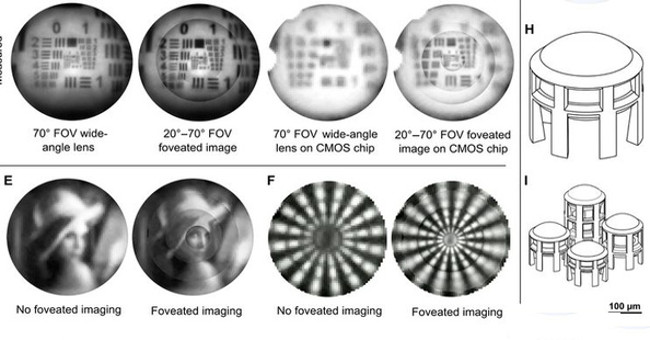
New technologyBy mimicking the gestures of visual pits, scientists at the University of Stuttgart, Germany have helped machines with the ability to focus strongly on vision like an ea…
December 12, 2018

New technologyIs it possible for machines to write their own software and occupy the programmer's jobs?
December 12, 2018

New technologyAmerican billionaire Elon Musk plans to dig a tunnel underneath the city of Los Angeles with a giant drill to reduce traffic congestion.
December 12, 2018

New technologyIn a World Government Summit, Elon Musk declared:
December 12, 2018
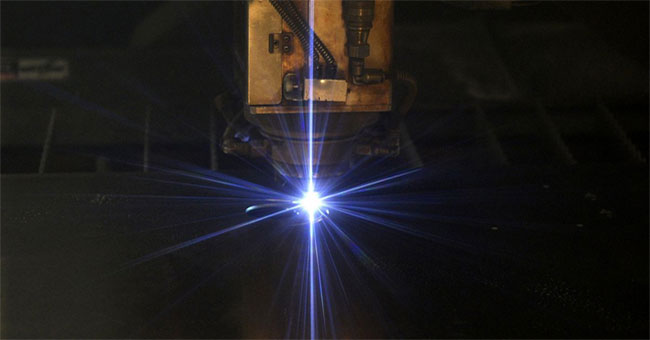
New technologyThe energy industry is also taking noticeable advances in laser technology.
December 12, 2018

New technologyFreshWater promises to eliminate the worries of lacking clean water around the world.
December 12, 2018
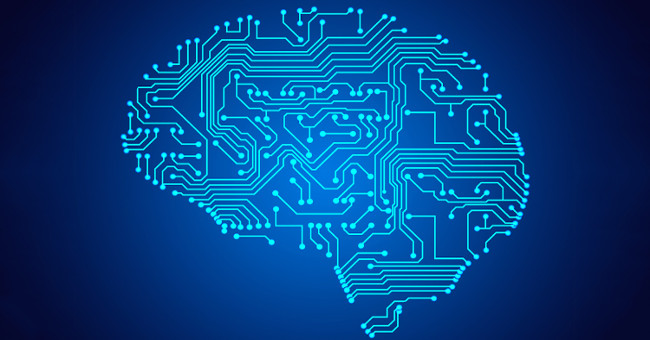
New technologyMachines will be able to replace the whole person during the main creation process
December 12, 2018
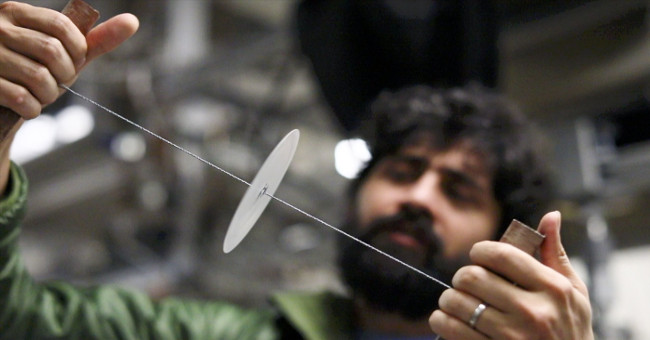
New technologyCentrifuges, including a high-speed motor, are an extremely important device for medical testing. It uses centrifugal force to separate the liquid into separate parts.
December 12, 2018
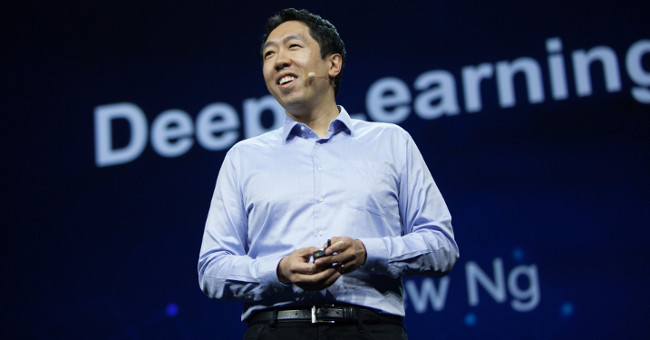
New technologyMercedes trucks can run on the road themselves. Google's computer won over the go-go grandmaster. App appearances can translate sentences with accuracy similar to humans.
December 12, 2018

New technologyEarlier this month, Apple announced that it would begin publicizing its research on machine learning and artificial intelligence (AI). This will help uncover the secret…
December 12, 2018
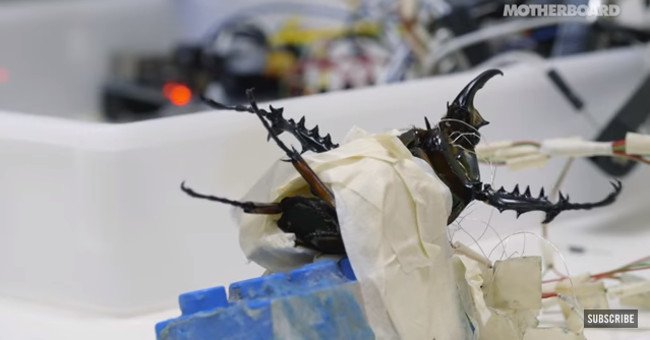
New technologyScientists at the Nanyang Technological University, led by Professor Hirotaka Sato, have conducted research on the transformation of the common beetle into a living beet…
December 12, 2018

New technologyThe latest research shows that computers can understand more than 90% of what is said just by observing lips movements without hearing sounds.
December 12, 2018
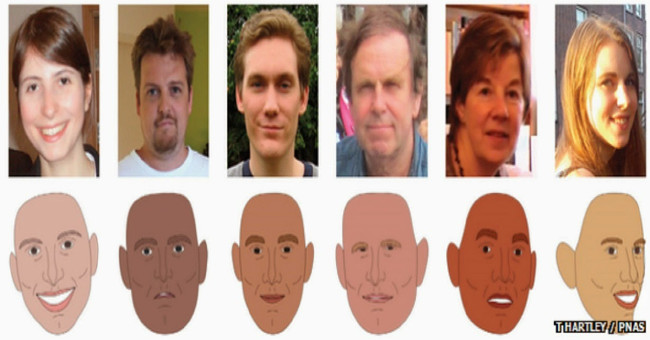
New technologyWhile people often lack objectivity when making these assessments, artificial intelligence overcomes that disadvantage.
December 12, 2018