New technology
Amazon produces smart mirrors, try clothes without dressing
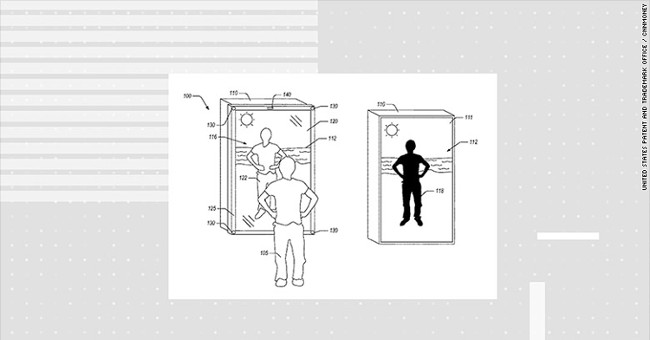
Amazon has just patented a special mirror. This device has the ability to cover the virtual clothes on the image of the person standing in front of the mirror.
Browse ScienceInfo articles and explainers related to Machine.
1,208 published items.
Amazon has just patented a special mirror. This device has the ability to cover the virtual clothes on the image of the person standing in front of the mirror.
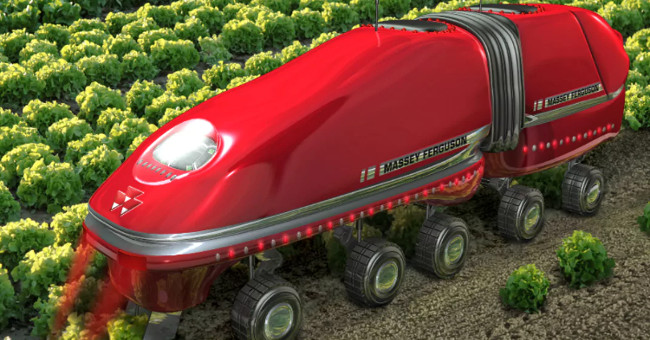
Engineers are working together to create a great machine, taking the most of the hard work of a farmer.
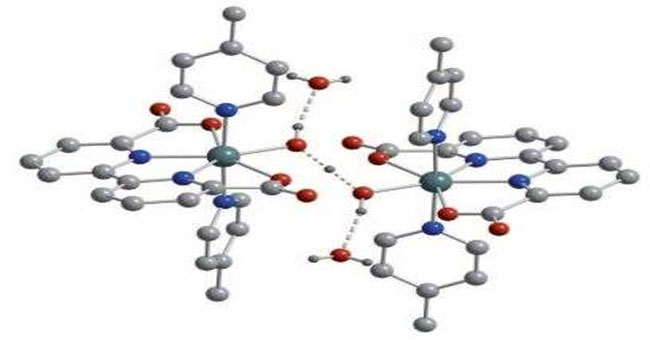
An international team of researchers has developed a machine learning algorithm that can learn and model complex molecular behaviors.
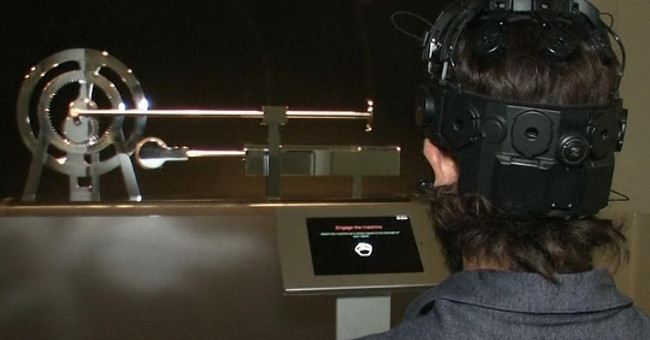
Mental Work science project uses the Brain and Machine Connection Interface (BMI), developed at the laboratory of the Federal Institute of Technology Lausanne (EPFL), Sw…
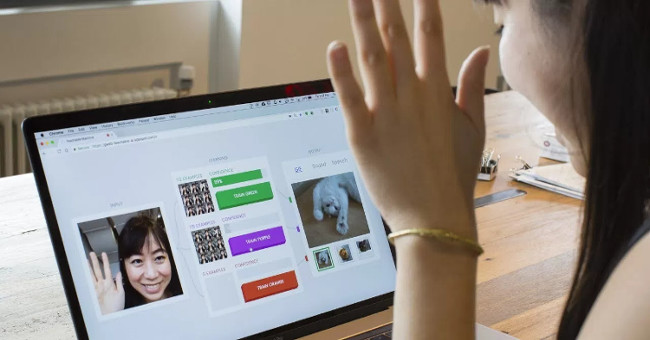
How the machine learns how or how artificial intelligence handles every problem. You've probably heard of the concept of AI in today's digital age.
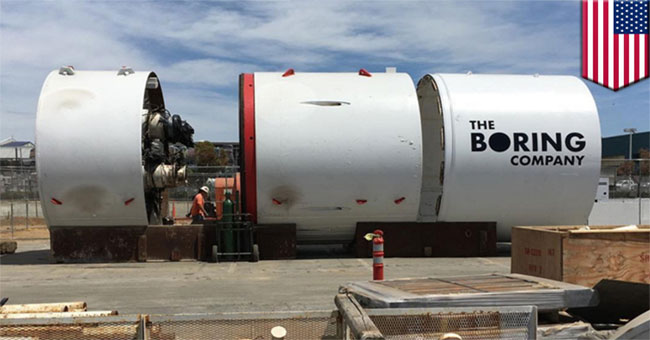
The new machine will bear the name
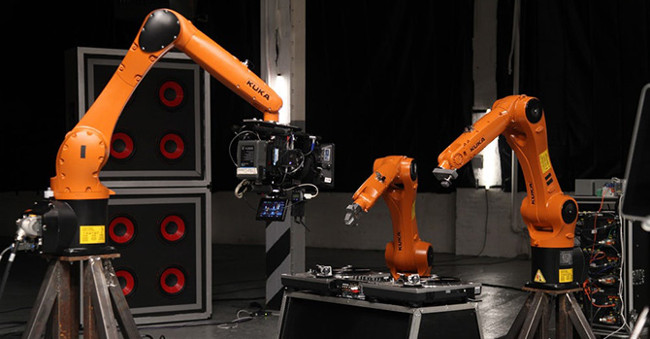
Nigel Stanford - a New Zealand musician - has had interesting experiments in creating music by machine and technology.
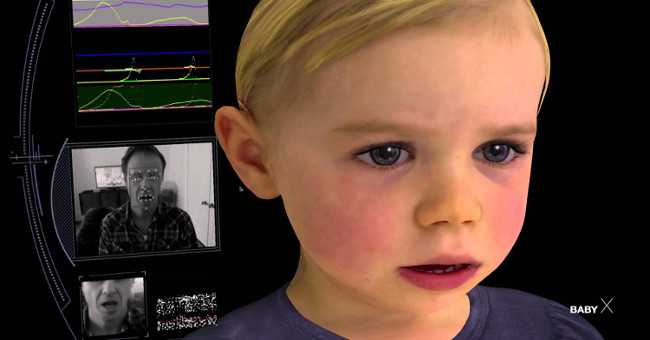
BabyX is based on the images of her daughter Sagar at 18 months and the appearance of this virtual baby girl is amazingly real.
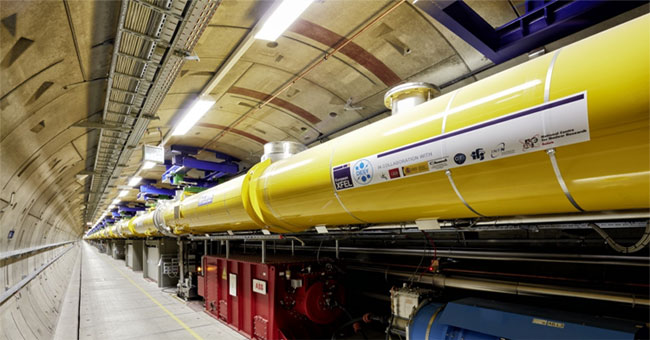
The world's most powerful X-ray laser machine officially went into operation in the cities of Hamburg, Germany, and BBC on September 1.
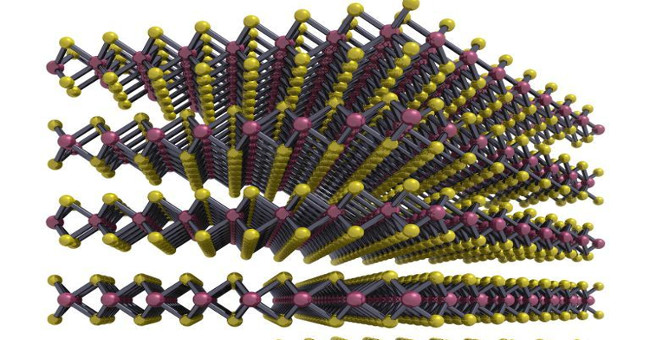
US scientists have successfully built a nanoscale machine capable of lifting 165 times its weight.
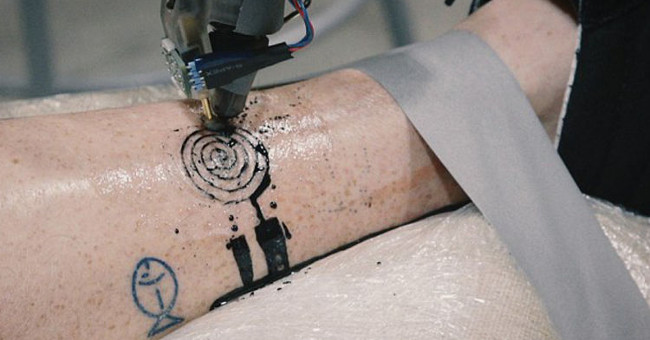
Would you like to receive a tattoo from a robot? Try the feeling for the world's first tattoo robot to create unique tattoo patterns while you sit in a chair.
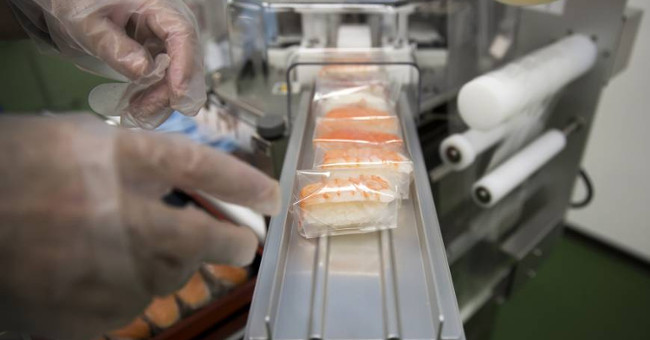
Kisaku Suzuki, the world's first sushi robot maker, used to run a company that makes candy packing machines.
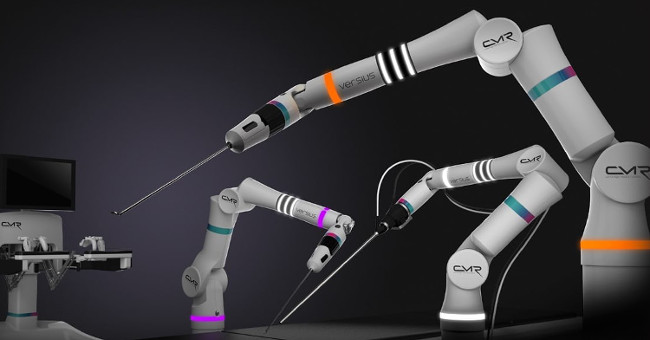
According to the manufacturer - 'Cambridge Medical Machine Company' (CMR) - this robot is controlled by a surgeon via a console and a three-dimensional screen in…
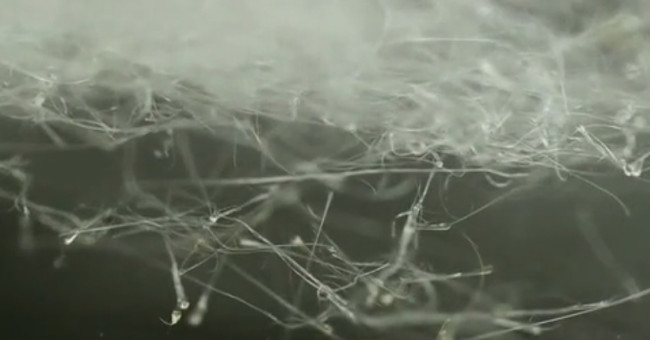
With the conventional cotton candy machine, researchers at Vanderbilt University used a polymer instead of sugar to create thin strands.

According to a post from an official blog, Facebook's AI research team has shifted the entire translation work to AI.