Space science
Decipher the mysteries of the space rock of the past 50 years
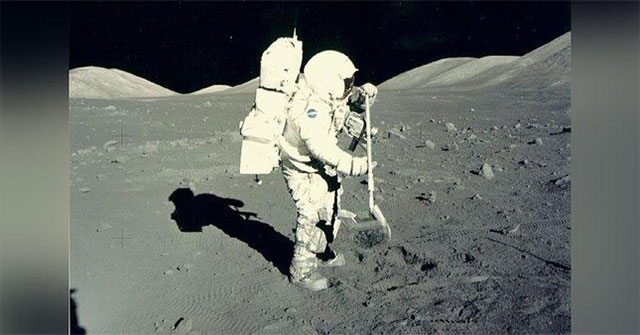
Scientists believe that the interior of the Moon cooled fairly quickly and evenly after it formed about 4.5 billion years ago.
Browse ScienceInfo articles and explainers related to Magnetic.
638 published items.
Scientists believe that the interior of the Moon cooled fairly quickly and evenly after it formed about 4.5 billion years ago.
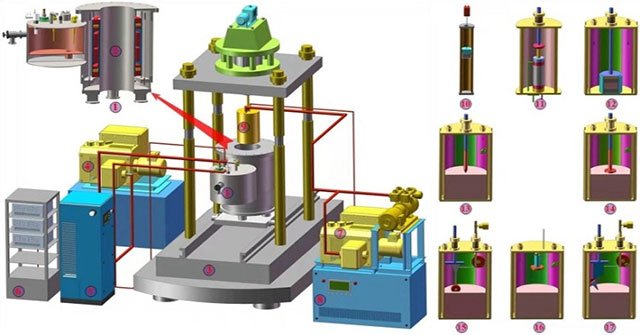
China built a research facility that simulates a low-gravity environment on the Moon, inspired by an experiment using magnets to make frogs fly.
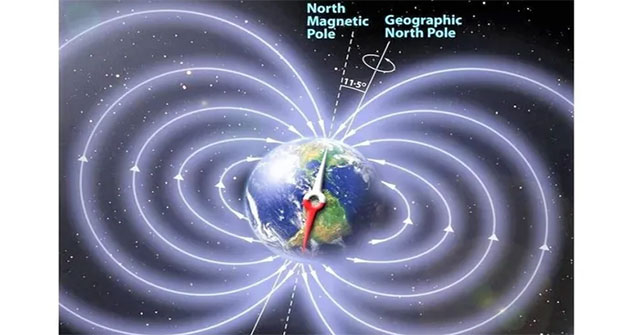
The Earth's magnetic north pole continues to shift for reasons that have not been fully explained by science.
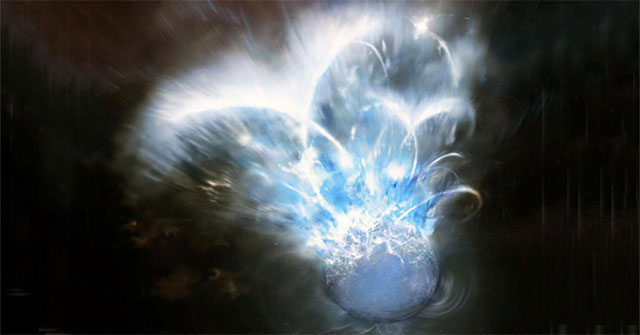
Scientists discovered a star from a violent eruption of energy in the galaxy NGC 253 13 million light-years away.

A tunnel swallowing the entire solar system, a bomb crater in the middle of a galaxy containing the Earth or a jellyfish from the dead suddenly appeared in the sky... ar…
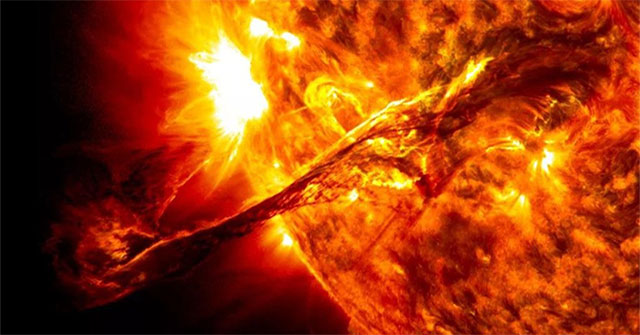
A small version of the Sun recently produced an eruption of magnetic plasma gas 10 times larger than any sun-like star ever seen.
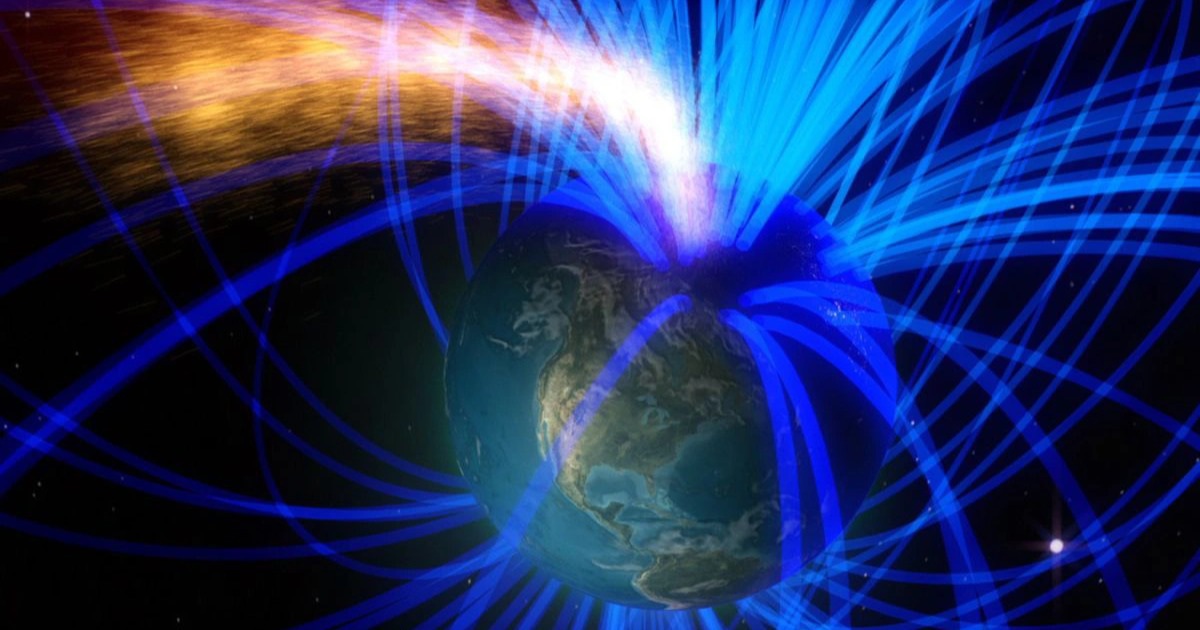
An unusual event in Earth's atmosphere has just been detected by NASA, which may cause problems for satellites and spacecraft in orbit around the Earth.
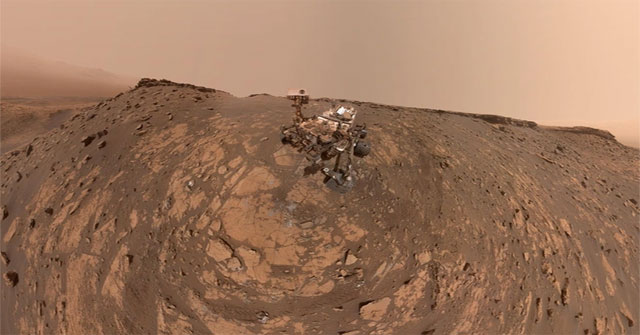
Mars doesn't have a magnetic shield and a thick atmosphere like Earth's, so radiation can hit the surface. However, recently scientists have found some places on Mars th…
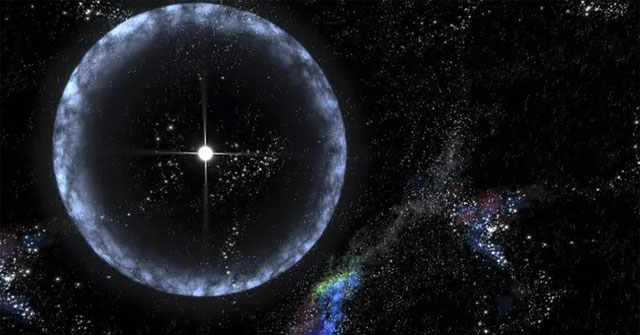
Astronomers have tracked a mysterious cosmic object that performed 1,652 bursts of energy in a short period of time.
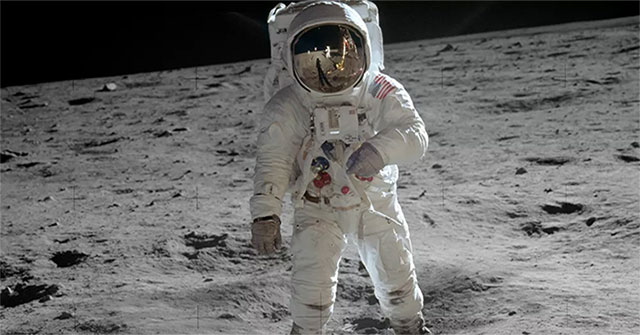
Humans could not live on the Moon and Mars due to the high radioactivity and cosmic radiation.

For comparison, the normal flight speed of passenger airplanes is about 880km / h to 926km / h.

NASA astronomers discovered a very young and powerful neutron star, about 16,000 light-years from Earth.
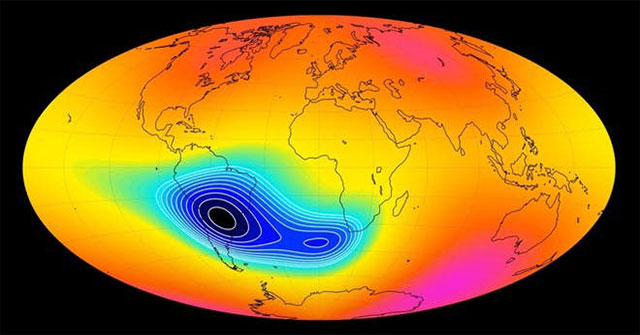
Many satellites and spacecraft have been troubled by the anomalous change of the Earth's magnetic field, which could signal a repetition of the geostational phenomenon f…
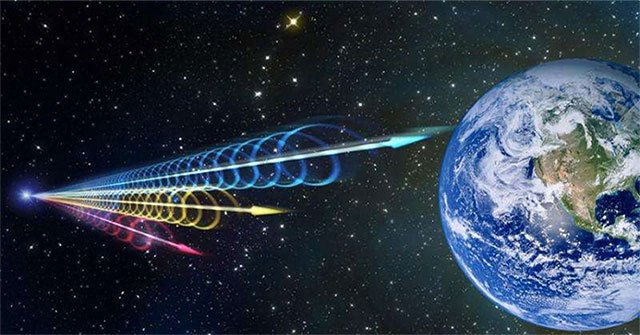
Radio emission (FRB), one of the greatest mysteries in the field of astronomy worldwide has been discovered in our galaxy system.
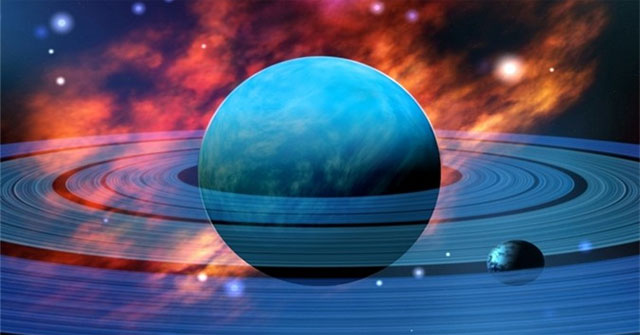
The beautiful blue planet in the photos of NASA - Uranus - is losing its atmosphere and could be transformed into a second Mars.