Medicine - Health
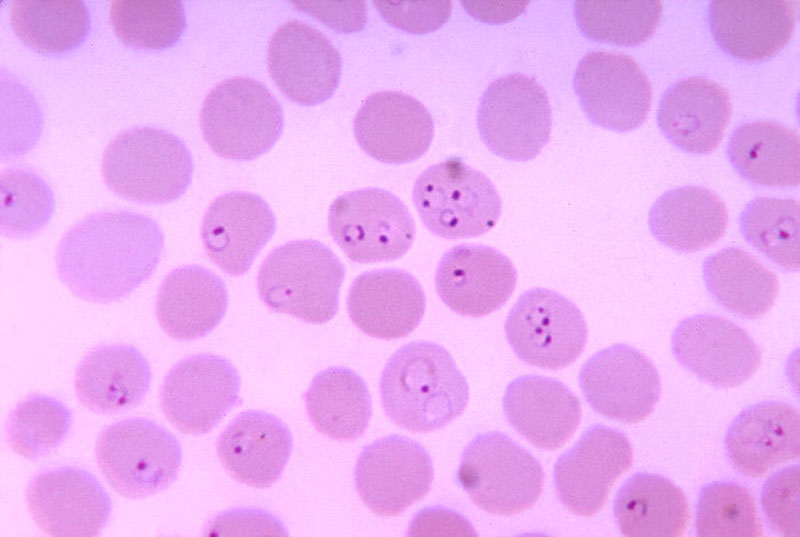
Detecting the path of infection of malaria
Scientists at the Sanger Institute in Cambridge (UK) have discovered a way to penetrate red blood cells of malaria-causing parasites, promising to help develop effective…
Browse ScienceInfo articles and explainers related to Malaria.
156 published items.
Scientists at the Sanger Institute in Cambridge (UK) have discovered a way to penetrate red blood cells of malaria-causing parasites, promising to help develop effective…
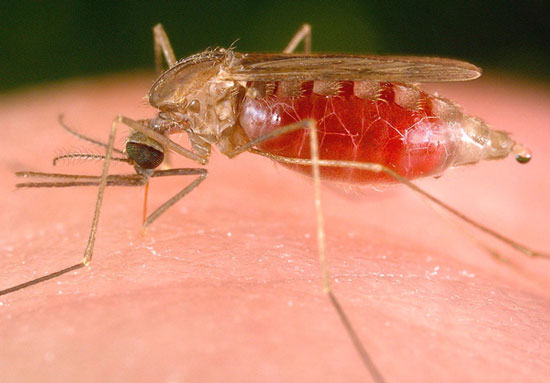
The researchers said the first results of a vaccine against malaria showed that the drug halved the risk of disease in African children between 5 and 17 months of age.
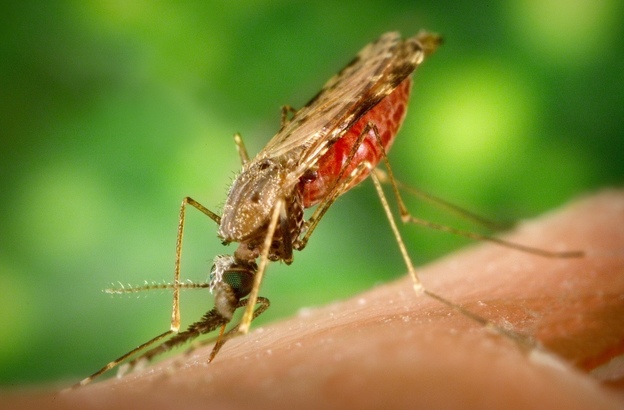
Scientists working at the University of California, San Francisco, USA, have found an important weakness in the cellular structure of the malaria Plasmodium falciparum p…
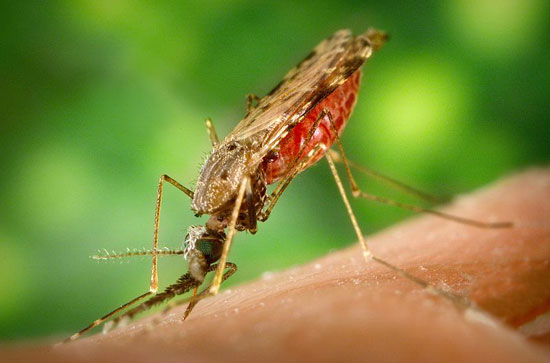
The Bill & Melinda Gates Foundation and the Grand Challenge Foundation have drawn $ 775 thousand for a malaria mosquito trapping project, based on the idea of a 2006 N…
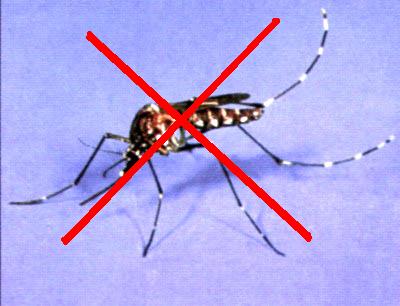
Wolbachia is a bacterium that can cause many types of insects to be poisoned, including mosquitoes. However, this bacterium does not make Anopheles mosquitoes (mosquitoe…
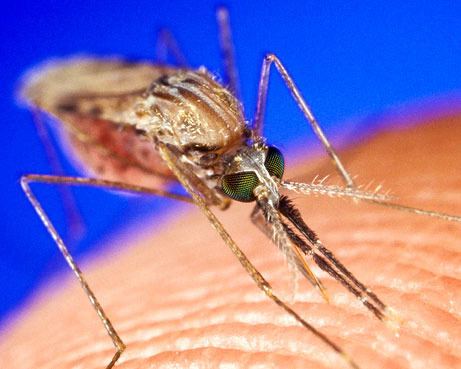
In the message of World Anti-Malaria Day (April 25), UN Secretary-General Ban Ki-moon called on the world to double out efforts to achieve the goal of eliminating malari…
Century disease HIV / AIDS and malaria share a number of similarities in terms of molecules. Therefore, it is possible to appear 'super drug' that can cure both diseases.
US experts have designed a type of nanoparticle that can transmit vaccines against diseases like AIDS and malaria safely and effectively.
Canadian researchers have found a way to industrially produce artemisinin, the main component of the most effective antimalarial drugs available today.
WHO warns that only 34% of countries with malaria outbreaks will undergo periodic testing of Artemisinin antimalarial drugs as instructed by WHO.

The international team of scientists has found that Africans no longer have the ability to immunity Plasmodium vivax malaria infection as before.

IAEA is researching to use nuclear technology to improve the feeding of children at risk of malaria, tuberculosis and other infectious diseases.

Australian scientists are approaching the production of malaria vaccines

Testing of the most advanced vaccine in the world today, preventing malaria, symbolized RTS, S, is taking place in 7 African countries.
Enemies of our enemies can become allies in fighting a global health crisis.