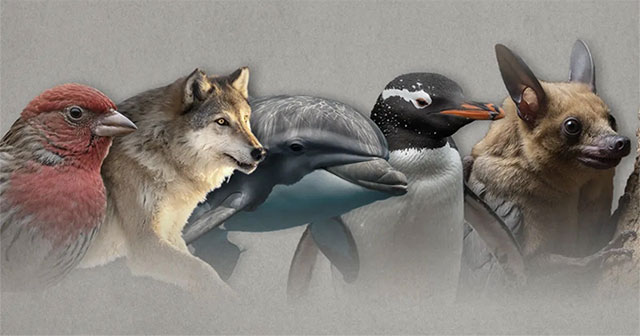
Animal world
Which animals are susceptible to cancer?
Cancer is common in many animals, but science still has many unknowns, such as which animals are susceptible to cancer and why?
Browse ScienceInfo articles and explainers related to Malignant.
81 published items.
Cancer is common in many animals, but science still has many unknowns, such as which animals are susceptible to cancer and why?

UN Secretary-General Antonio Guterres warns rising sea levels are creating
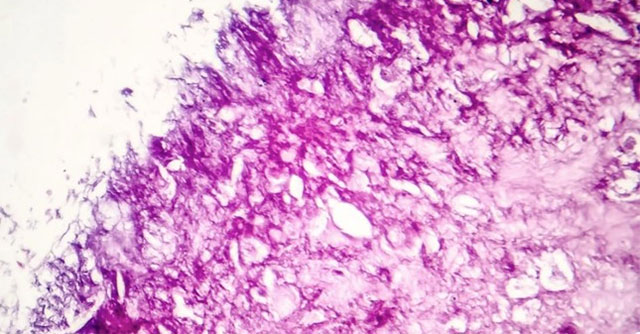
Scientists in the US have just found a method to kill cancer cells by using near-infrared light to stimulate molecules, causing them to vibrate.

Australian scientists have discovered that the oncogene AAMDC plays a role in fattening cancer cells. This study opens up treatment opportunities for women with malignan…

The researchers distinguish the different characteristics of non-coding RNA molecules in benign and malignant thyroid cells, thereby distinguishing benign and malignant…
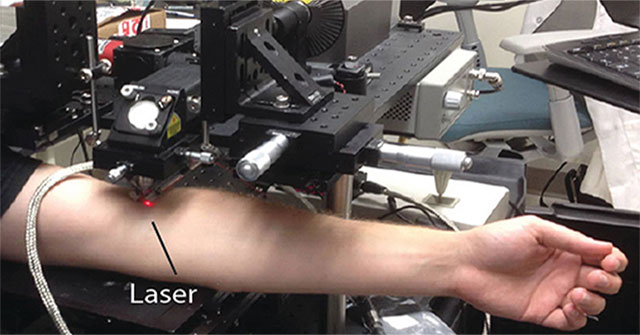
Technology Cytophone uses laser light pulses from outside the skin to heat tumor cells and destroy them.
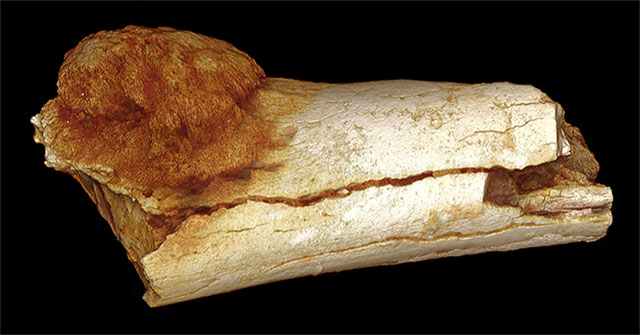
For a long time, cancer was considered a modern disease, but, at the beginning of the 21st century, its traces were discovered in ancient Egyptian mummies.
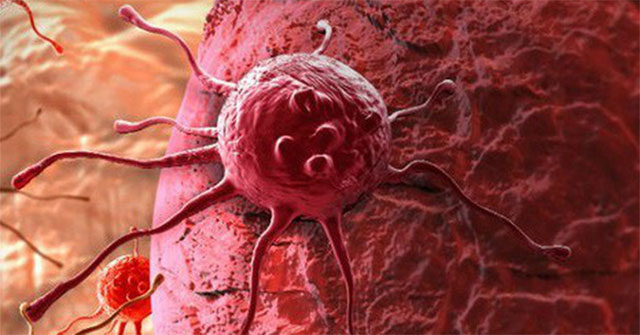
The high number of receptors of cancer cells makes them more strongly interact with blood vessel walls, pushing through the vascular wall into surrounding tissues.

Eating sharks does not only cure cancer, but the organisms themselves cannot protect themselves from the attack of malignant tumors.

Modern tomography technology allows doctors to detect malignant tumors in the 2,000-year-old Egyptian mummy.
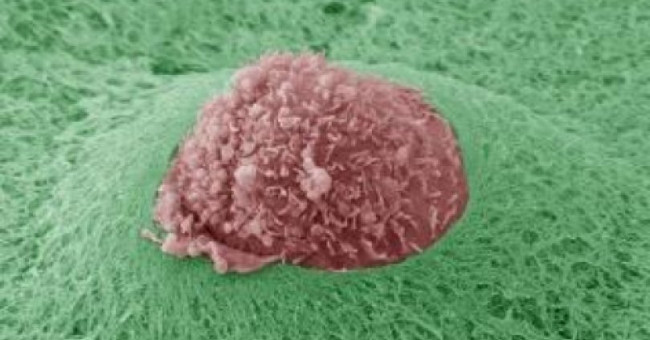
Cancer is a malignant disease of the cell, in which cells are mutated, infinitely proliferated, not under the control of the body.
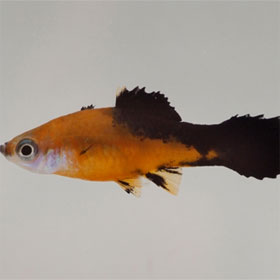
Scientists at Washington Medical School, St. Louis Louis and other places have deciphered the genome of snapper, a relative of guppies and a popular aquarium fish in fam…

Despite losing his left leg, Caffrey in England not only did not collapse but he could even stand up and move as usual.

The bizarre chamber with the human hand poking out looks funny but promises to help repel testicular cancer - a form of cancer that attacks young men.
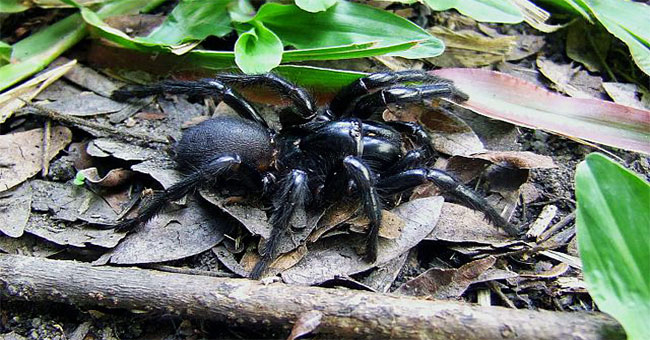
Australian scientists have examined the protein extracted from the venom of Hadronyche spider infensa, the result of this protein can kill melanoma cells in humans.