
Computer science
Warning fake websites for downloading IE 7
Hackers have just launched a fake Web site for the site to download Microsoft's version of Internet Explorer 7 RC1 for the purpose of distributing malware.
Browse ScienceInfo articles and explainers related to Malware.
105 published items.
Hackers have just launched a fake Web site for the site to download Microsoft's version of Internet Explorer 7 RC1 for the purpose of distributing malware.
Security vendor Kaspersky Lab warns Windows CE to

Security firm Websense has warned that the official website of Samsung Electronics in the US contains malicious software (malware). It is a trojan capable of recording k…

Security firm Panda Software warned users not only to be cautious about security threats from viruses but also to other types of malware.

The latest anti-spyware report by Webroot Software shows that after the decline in 2005, the rate of spyware infection has started to rise again and reach a record high…

Security firm Sophos has released a free version of its rootkit search and removal tool to help users eradicate this type of malware.

Malware, the common name for annoying malware such as adware, spyware (trojans, spyware), dangerous codes to control and control remote computers for bad purposes (the c…

Hackers have created enough worms to penetrate every IM chat network today, on both Mac and PC platforms, security experts have just issued a warning.

At the Hacker Defcon Forum last weekend, researcher Jesse D, Aguanno, said he had successfully developed the BBProxy program that could infect BlackBerry and allow attac…

Security experts have discovered a new trojan using a different communication procedure than other types of malware to send data to avoid detection.
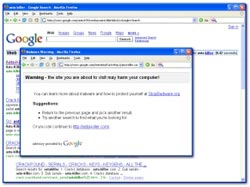
Google has just warned that search results with its tools may lead users to potentially dangerous websites that contain malicious code.

An Australian virus programming team has just released a malware code that has been proven to be capable of attacking the upcoming Windows Powershell technology.

Hackers have broken the protection mechanism (crack) in the hidden search function of malware (malware) of Google, used only for security vendors and anti-virus.

Malware programmers are also gradually turning to open source solutions in their work.

A worm is spreading very fast on the Internet but is not intended to infect users. In contrast, it only takes care of disabling all security tools that hit the road.