Biology
Detection of bacteria that can regulate climate
A new study shows that a species of bacteria living in the ocean may be the key to regulating the Earth's climate.
Browse ScienceInfo articles and explainers related to Marine.
985 published items.
A new study shows that a species of bacteria living in the ocean may be the key to regulating the Earth's climate.
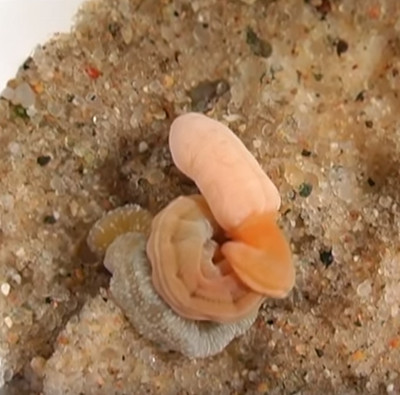
Researchers have suddenly discovered a creature that is a long-lost relative of mankind: the pink cave worm - marine animals that have up to 70% of the human genome.

A new study has shown how marine plankton affects the process of creating clouds and regulating the climate on the Earth's surface.
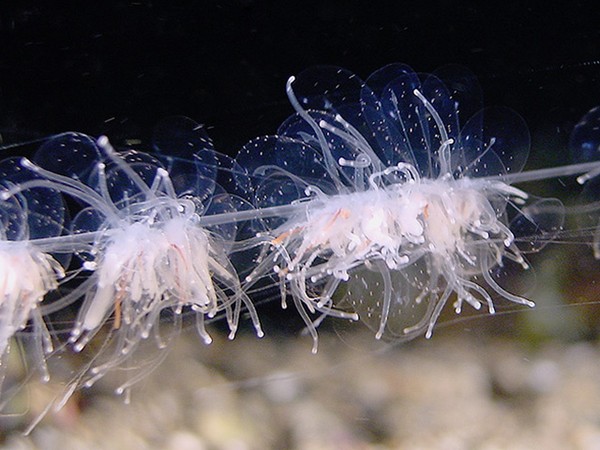
Until now, scientists have not been able to identify Siphonophores as a species or a variety of constituent organisms.
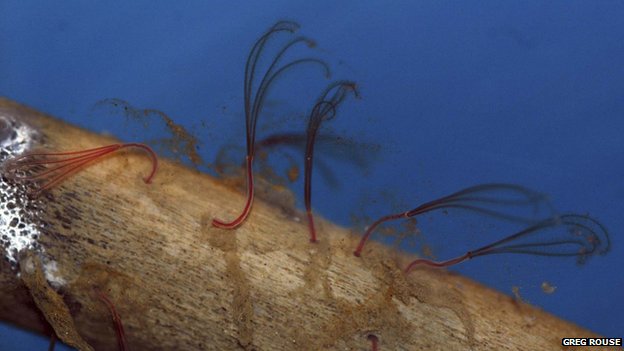
A new study of the mysterious phenomenon involving the ancient worm of Osedax, which carved out the bones of marine species, was published in the Biology Letters section…
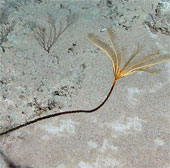
This is a sea flower located 800 meters underwater under the coast of Bahamas.

For the first time, a plant containing nutrients in fish oil was successfully bred by genetic modification in the UK.
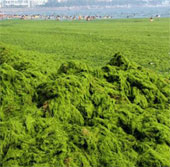
China's Yellow Sea is suffering from invasive algae at an extremely fast speed, with nearly 29,000 square kilometers covered by algae, according to Chinese officials on…
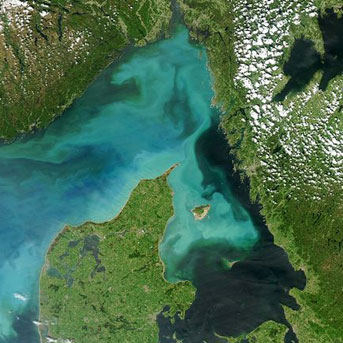
Susanne Menden-Deuer, a marine expert at the University of Rhode Island in the US, and her colleagues observed Heterosigma akashiwo, a microalgae, in the lab. Livescienc…
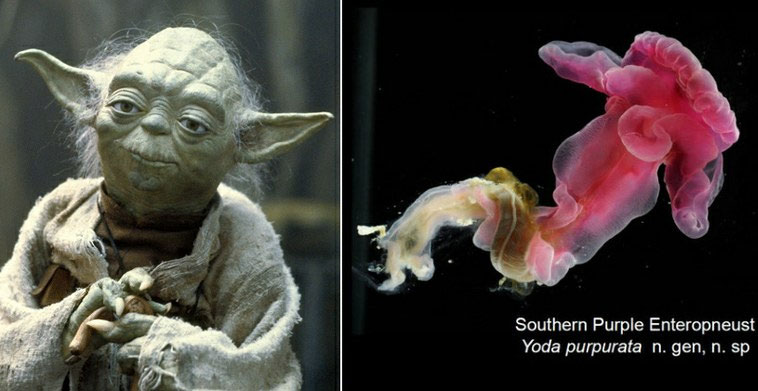
A worm joined the list of creatures named after famous figures, such as the horse fly named Beyoncé and the trio of viscous beetles named American politicians.
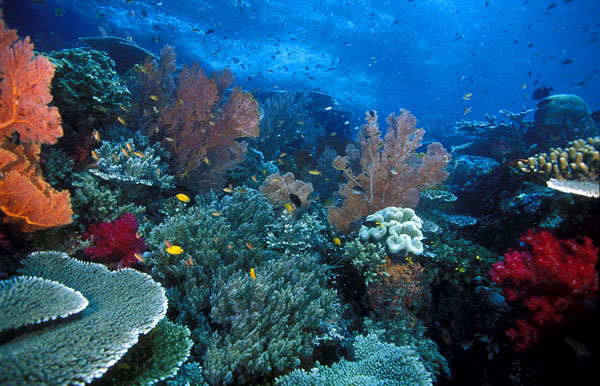
The United States is one of the partner countries committed to supporting the Indonesian government and private sector to protect marine and coastal biodiversity in the…
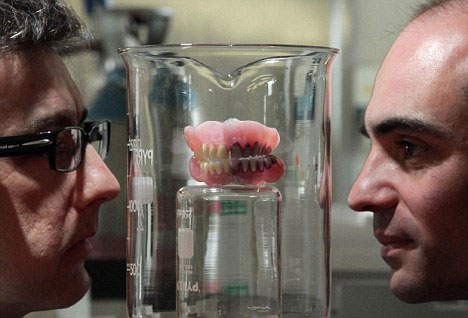
It was a surprising finding by scientists at the University of Newcastle (UK), while they were studying the bacterial strain of marine algae called Bacillus licheniformi…
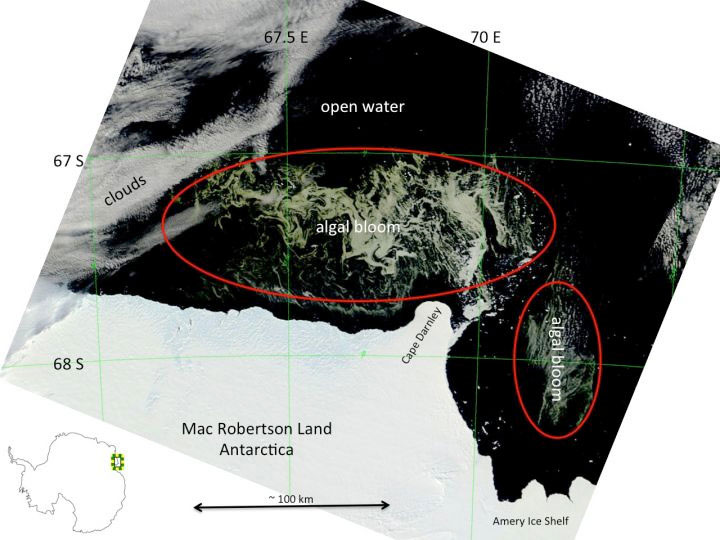
With a length of up to 200 km, a cluster of algae along the Antarctic coast is so big that artificial satellites can detect it from space.
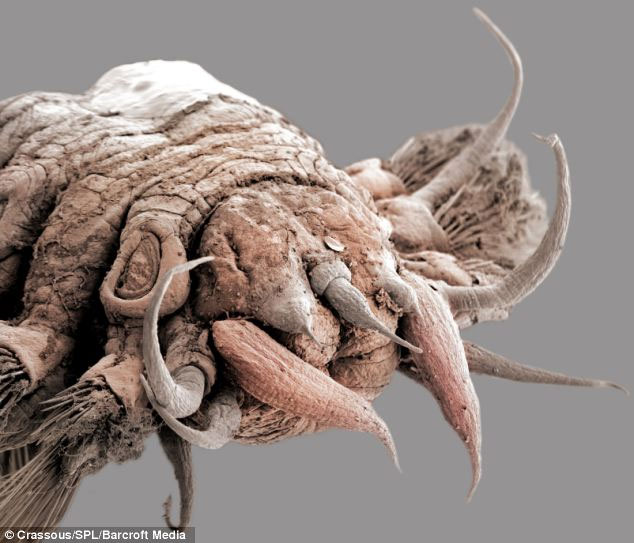
The oceanographers have found some marine creatures that live on the bottom of the ocean - it can be said to be the deepest place on Earth.
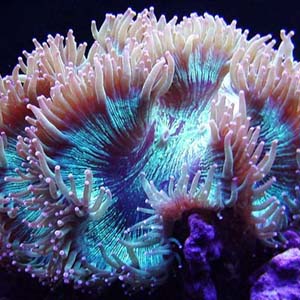
10 species of tropical coral have the most evolutionary and most endangered evolution in the world (EDGE), according to a new report by scientists from London Zoology As…