Space science
The most impressive findings about the universe in 2012 (1)
The astronomical industry welcomed the impressive discoveries in 2012, which changed the way people knew about the universe, and pushed some devices to the critical leve…
Browse ScienceInfo articles and explainers related to Massive.
216 published items.
The astronomical industry welcomed the impressive discoveries in 2012, which changed the way people knew about the universe, and pushed some devices to the critical leve…
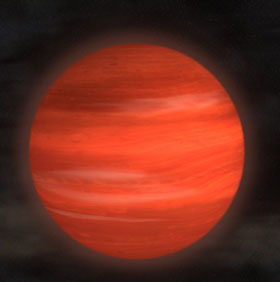
US media reported on November 19 that astronomers have discovered a planet 13 times more massive than Jupiter - the largest and heaviest planet of the Solar System.
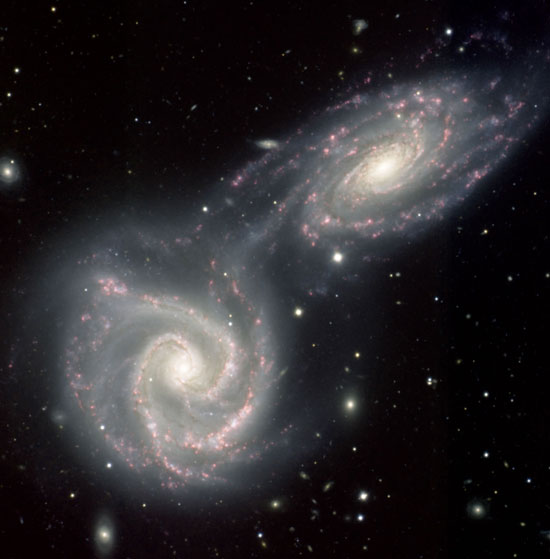
Large galaxies feed on small galaxies or bump into other large galaxies to form a more massive galaxy.
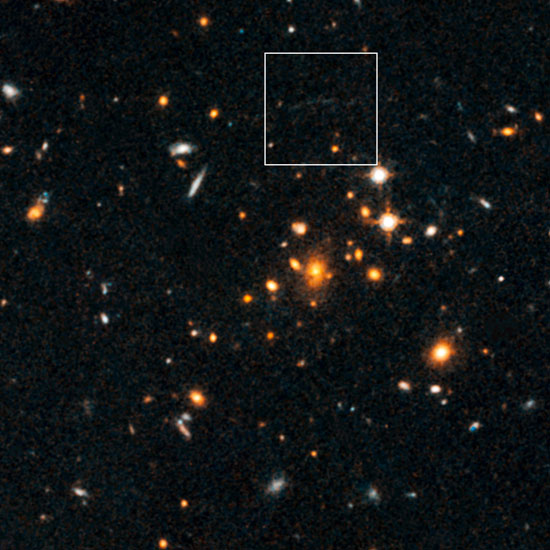
Galaxies are galactic collections that travel in each other's orbits and are the most massive objects in the universe. The new Hubble telescope group was discovered for…
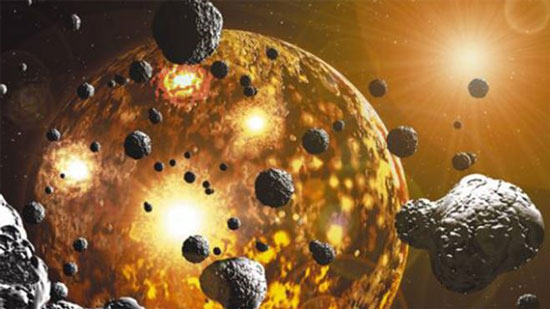
In early October, a massive meteor shower will descend on Earth, brought by the comet Giacobini-Zinner, flying close to our planet.
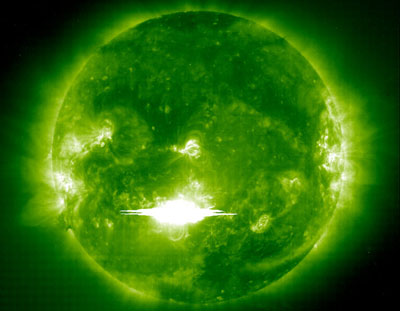
The light emitted from the sun is the result of massive explosions occurring in the sun, releasing energy, light and light particles at high speed into space.
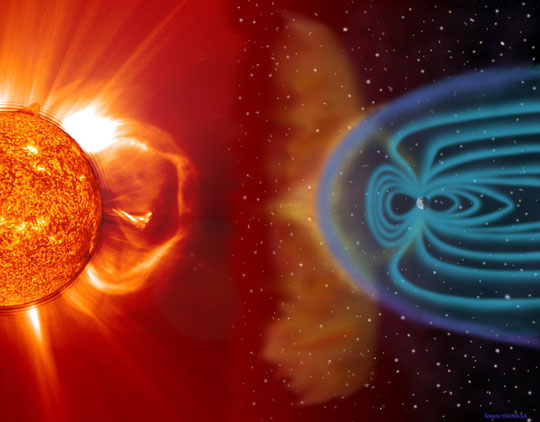
Some planets that are many times more massive than the Earth outside the solar system cannot survive because there is no magnetic field.
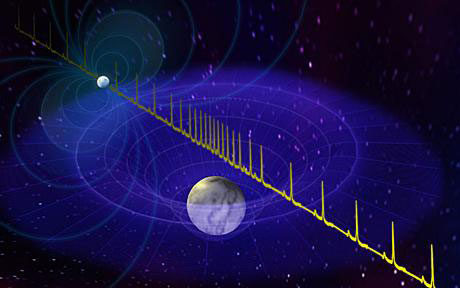
The team of the NRAO Observatory, which manages the Green Bank telescopes, has discovered the presence of neutron stars, ...
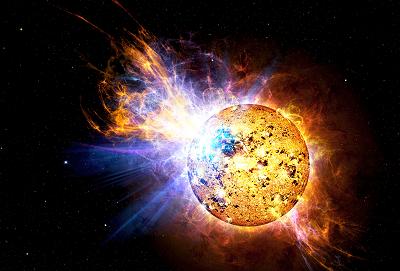
Scientists are warning that the Earth may experience a strong tsunami from outer space as early as Tuesday after a massive explosion occurred on the Sun.
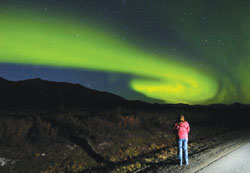
A massive solar storm landed on Earth yesterday, creating spectacular aurora on most of the northern hemisphere's sky. On January 1, most of the sun opposite the Earth t…

The Fermi telescope of the US Aerospace Agency (NASA) has discovered a massive explosion in the universe that could, according to scientists, be the largest gamma ray ex…

The earth may be hit by a massive meteorite in 160 years. That is the warning of Italian scientists, posted on the latest New Scientist digital issue.

The two giant spheres rushed at each other, causing a massive explosion and leaving a giant cloud of dust.

According to a new project, some giant stars may not explode like supernovae. Instead, scientists estimate that they merely decay into black holes or if they explode, th…
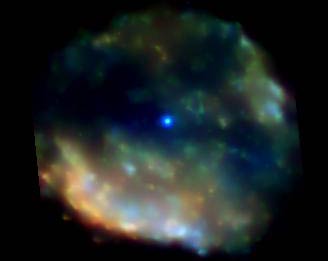
When a star is 8 times more massive than the sun, it will end its life with a spectacular explosion known as a meteor.