Environment
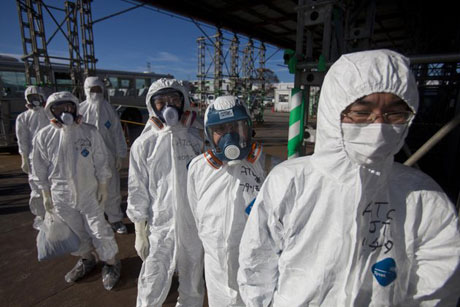
Radioactive substances from Japan travel around the world
Japanese scientists say most of the radioactive material released from the Fukushima nuclear power plant has fallen into the sea and circulated around the planet.
Browse ScienceInfo articles and explainers related to Material.
2,029 published items.
Japanese scientists say most of the radioactive material released from the Fukushima nuclear power plant has fallen into the sea and circulated around the planet.
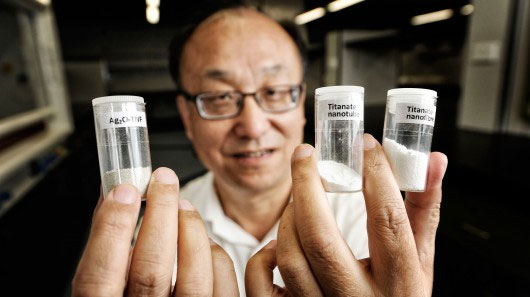
Recently scientists at Queensland University of Technology (Australia) said that it has successfully developed the first smart material in the world that has the ability…

Japan 's Ministry of Agriculture - Forestry - Fisheries has published research results, tested radioactive decontamination measures in the soil in Fukushima Prefecture,…
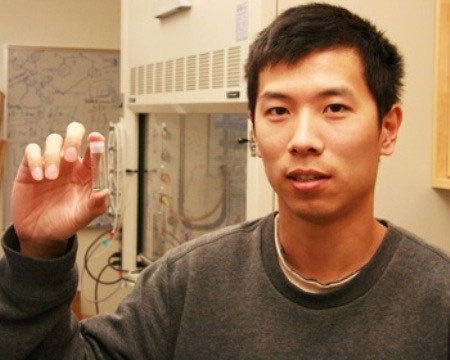
Chemical experts from the University of California, Santa Cruz have developed a new material called SLUG-26, which is used to treat contaminated water through ion exchan…

Using the materials available in nature will reduce the processing and processing stages, more economical and not polluting the environment.
General Electric (GE) is seeking permission to build a uranium enrichment plant using a $ 1 billion laser technology.
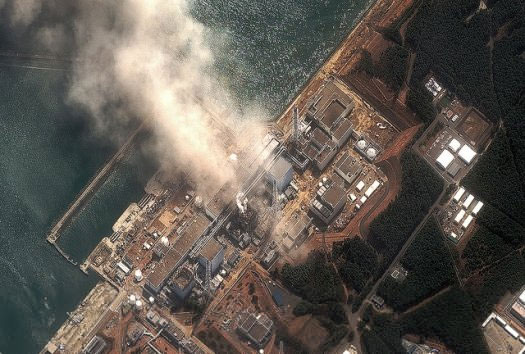
On August 16, Kyodo news agency said US scientists have discovered a small amount of radioactive sulfur dispersed from Japan's No. 1 Fukushima nuclear power plant on the…

The Prime Minister has approved the program of developing unburnt materials by 2020, in order to make the most of raw materials from bad soil, ash, sand, clean solid was…
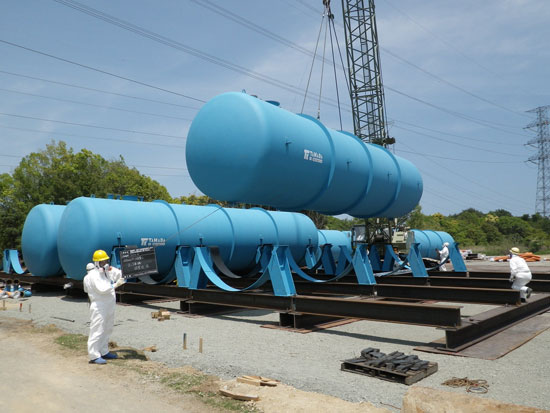
New materials in the form of silicon dioxide compounds (SiO2) can absorb radioactive iodine and strontium by changing the compound type.

Australian researchers say that ordinary sand, which is used to filter water in many parts of the world, can be converted into a kind of
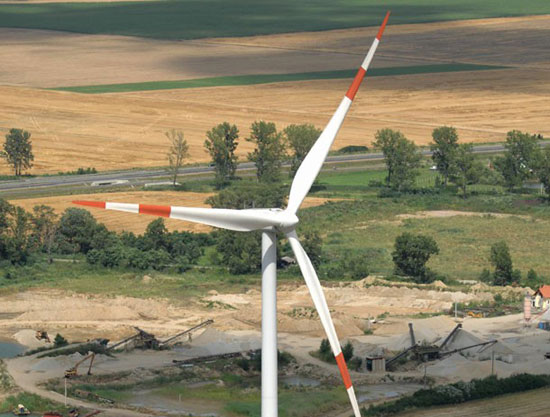
BBC news agency reported on July 4, Japanese researchers said it had discovered a rare earth mine with reserves of 100 billion tons off the Pacific.

Last March earthquake and tsunami in Japan caused a nuclear disaster that made Cesi (Cs) radioactive material quite high in Fukushima prefecture and surrounding areas.
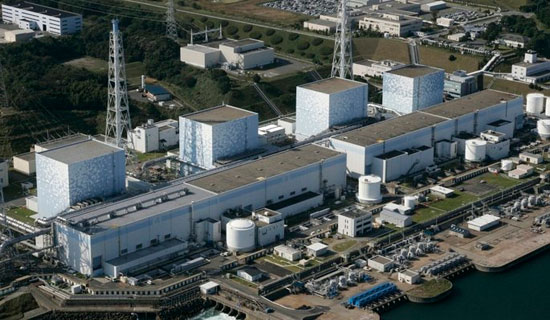
After a period of efforts to control the situation, Japan has begun to consider the final options such as spreading resin, even concrete to limit radioactive leakage at…
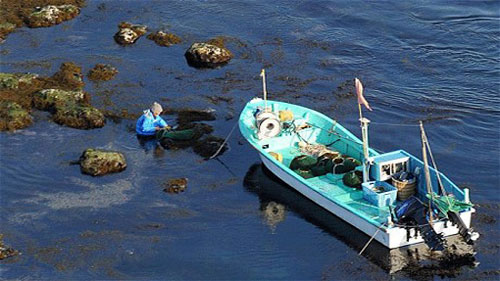
The release of nuclear radioactive water in Japan's Fukushima I power plant into the sea does not endanger marine animals as well as those who eat them, the scientists c…
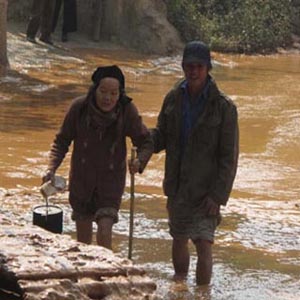
The research team of the Institute of Materials Science has come up with the idea of turning red mud into useful materials for society.