
Archeology
The civilization that knew how to mummify was 2,000 years before Egypt
The Egyptians were famous for their mummies. However, they were not the first to discover the recipe for mummification.
Browse ScienceInfo articles and explainers related to Material.
2,029 published items.
The Egyptians were famous for their mummies. However, they were not the first to discover the recipe for mummification.
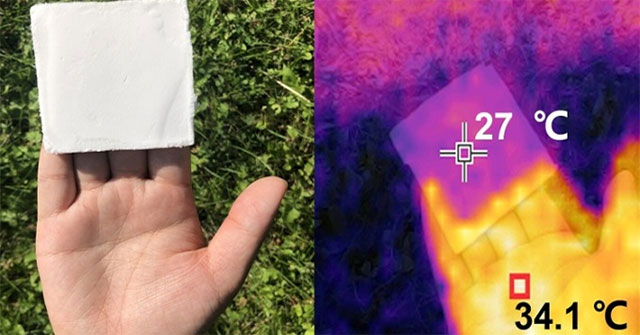
The new type of foam made from nanofibers in wood promises to help reduce indoor temperatures sharply, while saving electricity consumed by cooling devices.

The electric eel inspired physicist Alessandro Volta to invent the first battery, and it is also being
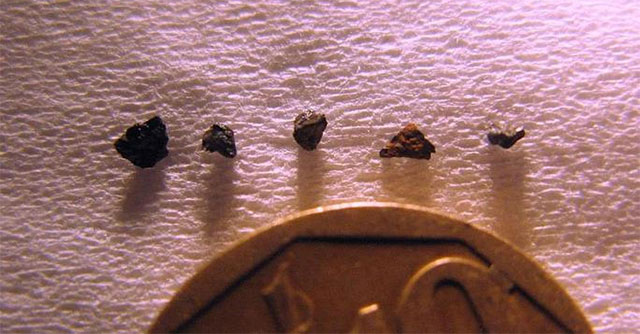
Egypt, a land famous for its many alien treasures unearthed from tombs, continues to possess a peerless treasure that pierces 2 stellar deaths, stealing materials from a…
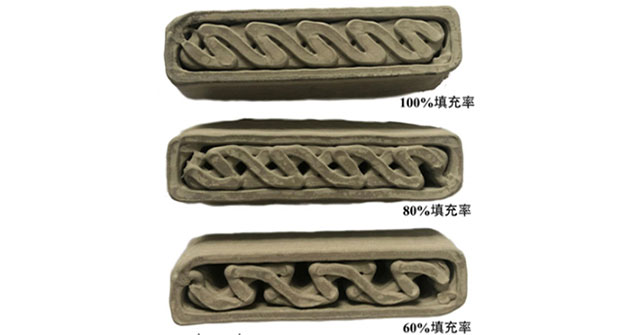
The team at Beihang University improved old materials and combined them with 3D printing technology to build roads on the Moon in the future.

Chinese researchers are using artificial intelligence to turn a dam project in Qinghai province into the world's largest 3D printer.
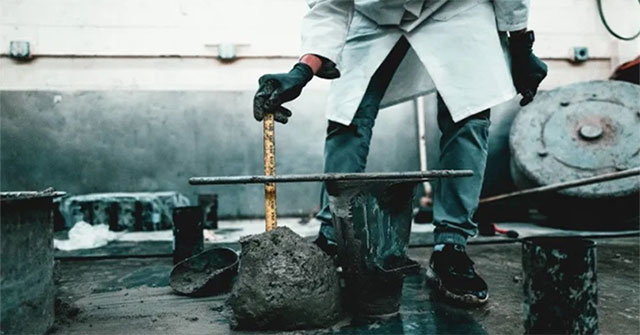
Meta's artificial intelligence (AI) research team has found a new concrete mixing formula that is harder and more environmentally friendly.
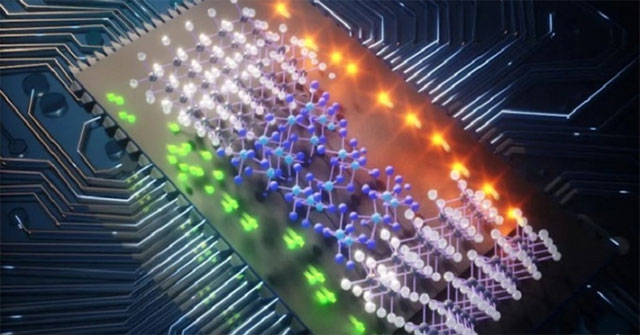
A team from TU Delft University has developed a superconducting material that allows computers to run hundreds of times faster than today.
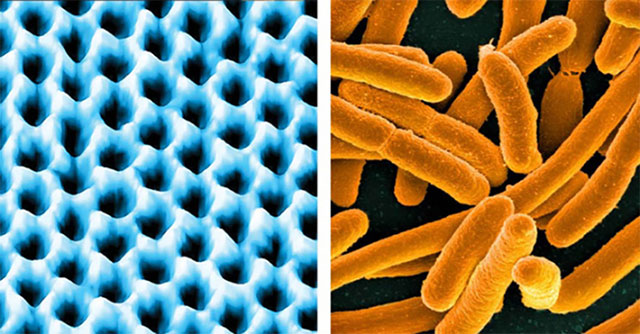
Ultra-sensitive hearing devices could be the key to doctors facing the growing crisis of antibiotic-resistant bacteria.
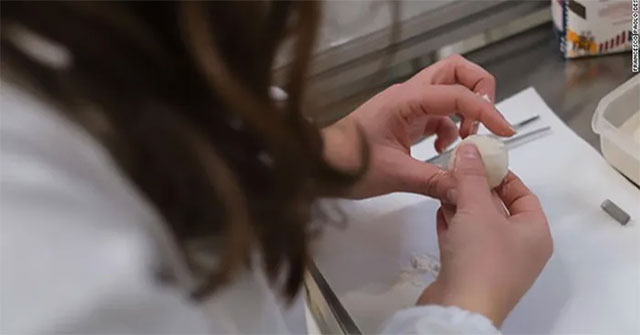
A materials scientist with an allergy to yeast has created a yeast-free pizza dough that still swells like a traditional pizza.
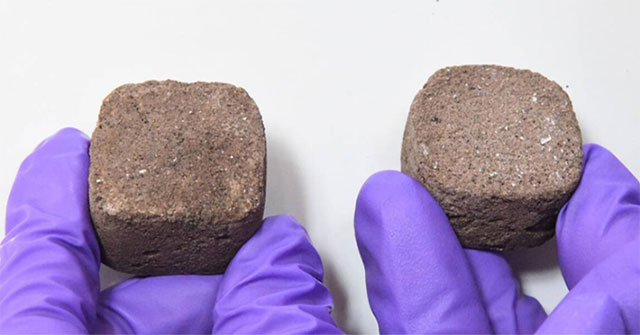
An Indian team of scientists combines simulated Martian soil, bacteria and other materials to create a durable brick with few pores.
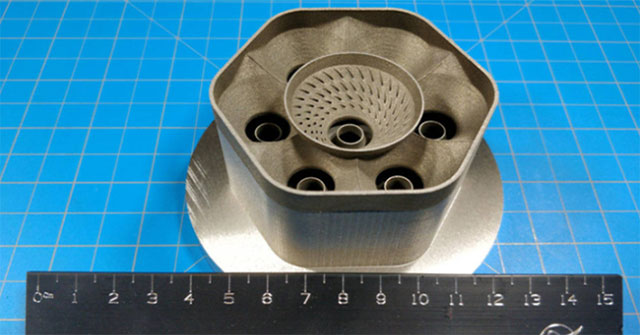
The GRX-810 alloy, developed using modeling and 3D printing, can withstand temperatures of more than 1,000 degrees Celsius.

Generating electricity from a heartbeat seemed absurd until this elastomer material was invented in Switzerland. This is considered a step forward in technology, bringin…
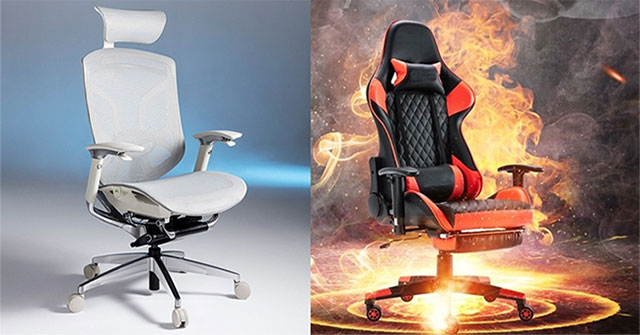
Society is increasingly developing and modern, so people need more and more items, tools and equipment to support all activities in daily life.
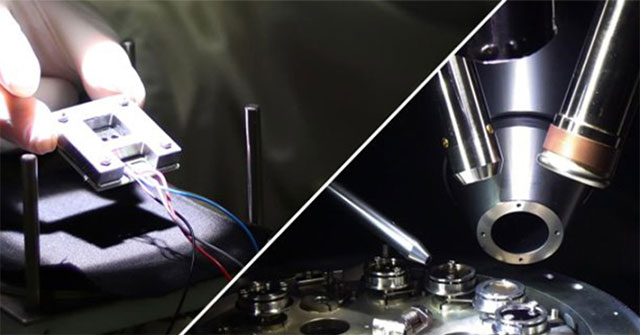
German scientists combined two types of absorbers to develop solar cells with a light conversion efficiency of up to 24%.